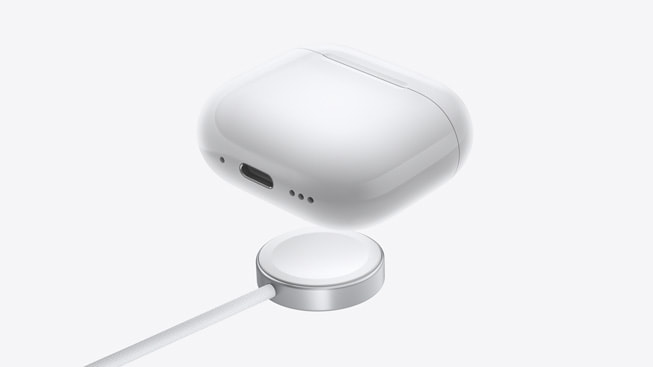

About AirPods (standard model)
AirPods is Apple's name for a family of wireless earbuds, and the standard model is the one that started it. It rests at the entrance of the ear rather than sealing inside it. There are no silicone tips to size, no seal to get right, and nothing pushed into the ear canal. That single design decision explains most of what the line does well and most of what it cannot do. It is the cheapest way into Apple's earbud range, the most comfortable option for people who dislike anything wedged in the ear, and the least able to shut the outside world out.
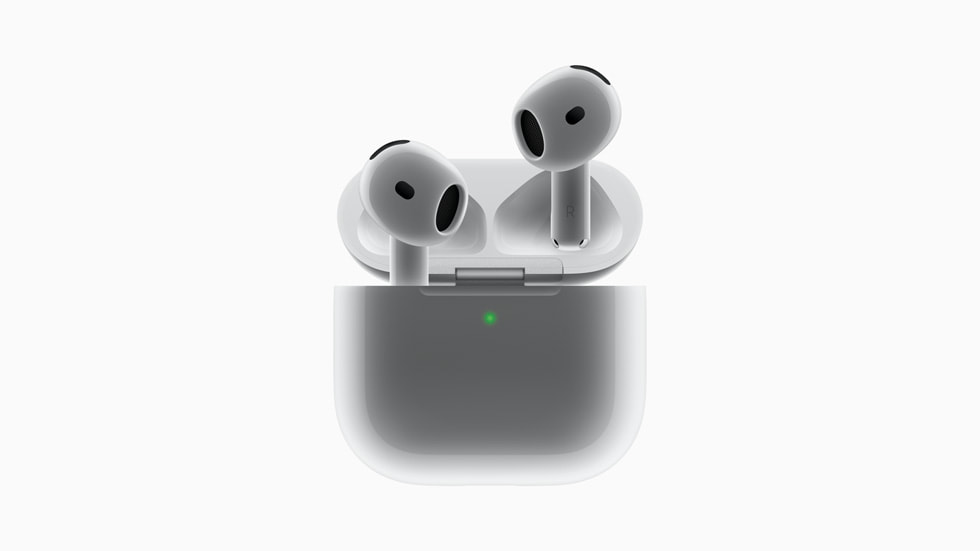
The line is now in its fourth generation, sold in two versions that share the same shell, the same open fit and the same chip. One adds Active Noise Cancellation and a wireless charging case; the other does not. Apple's own store lists them at 129 and 179 US dollars, which places the line below AirPods Pro and well below AirPods Max. A product line is not a single model, so treat those figures as the current rung on the ladder rather than a permanent specification.
Where does the standard AirPods line sit in Apple's range?
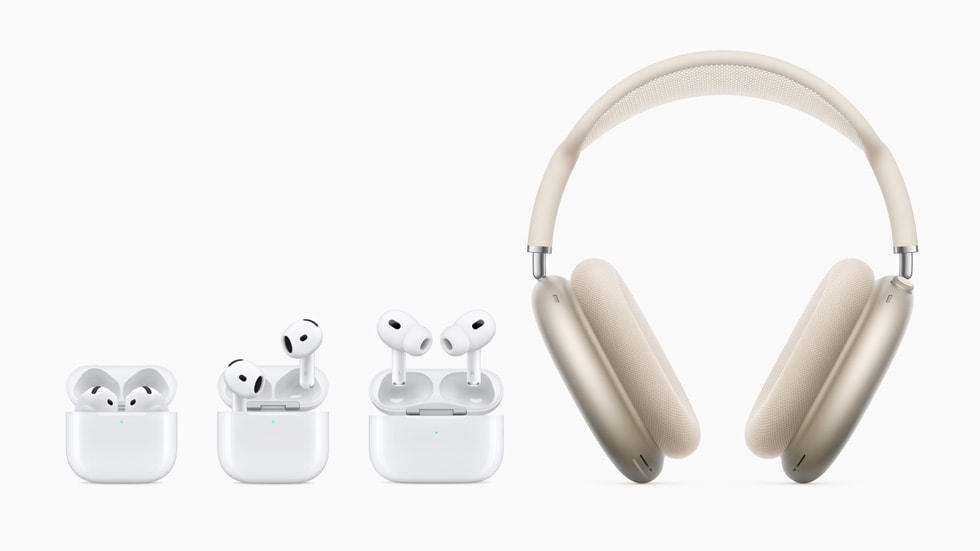
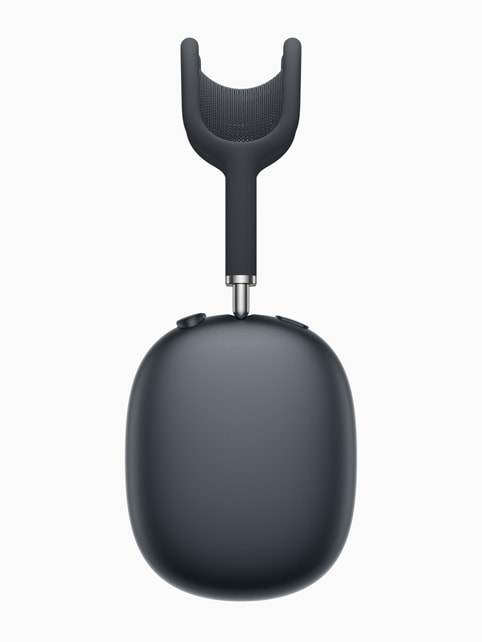
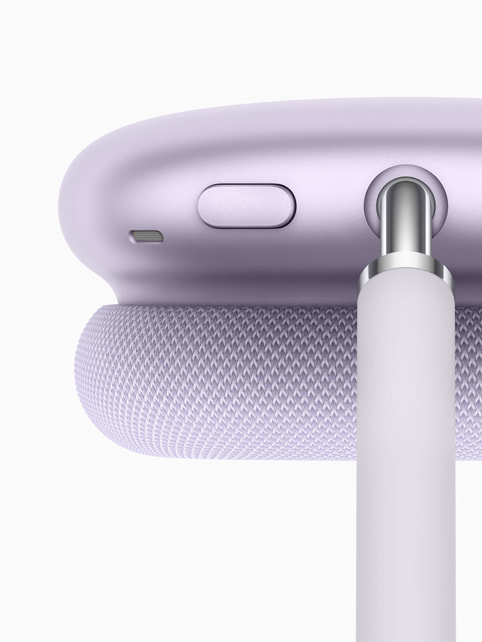
Apple sells earbuds in three tiers. The standard AirPods are the entry point and the volume seller. AirPods Pro sit above them with silicone tips that seal the ear canal, much stronger noise cancellation and a growing set of hearing and sensing features. AirPods Max sit above both as an over-ear pair at several times the price.
The distinction that matters is not price but fit. The Pro line seals; the standard line does not. Everything else follows from that. Rank the range by how much of a noisy train carriage it can remove and the standard model comes last by a wide margin, with no software update able to change it. Rank it by how long you can wear it before your ears complain and it usually comes first.
Who is the open fit actually for?
Three groups keep buying this line rather than the Pro. The first is people who cannot tolerate anything in the ear canal, for whom a sealed tip is uncomfortable within an hour and unbearable within three. The second is people who need to hear the room: staff in an open office, a parent listening for a child, anyone who wants ambient sound present rather than piped back in through microphones. The third is people who want earbuds that go in and stay put without a fitting exercise, since there are no tip sizes to trial.
There is a fourth, quieter group: people who lose things. The standard line is the cheapest pair in the range to replace, and that is a legitimate reason to buy it.
What the current generation offers
The fourth generation reshaped the body, moved the case to USB-C, and added Personalized Spatial Audio with dynamic head tracking, Voice Isolation for calls and an IP54 rating for dust, sweat and water. Apple quotes up to 5 hours of listening on a charge and up to 30 hours with the case, dropping to 4 and 20 with noise cancellation switched on. SoundGuys measured about 6 hours 21 minutes in its own testing, which is better than the quoted figure rather than worse.
The notable change is that Active Noise Cancellation now appears on an open fit at all. It works, and on low-frequency noise such as an aircraft cabin or a bus engine it is a real improvement over nothing. It is not competing with a sealed earbud, and Apple does not claim it is.
How does it compare with AirPods Pro?
This is the comparison almost every buyer is actually making, and the gap is 70 US dollars at list price between the noise cancelling standard model and AirPods Pro.
MacRumors puts the Pro's noise cancellation at up to four times more effective than the standard model with ANC. SoundGuys measured the Pro running roughly two hours longer per charge. The Pro also carries features the standard line does not have at all: hearing aid functionality, heart rate sensing, Conversation Boost, five tip sizes including an extra small, and a higher IP57 rating.
The honest summary is that the Pro is the better product and the standard model is the better fit for a specific kind of ear. Buy on comfort first. If sealed tips suit you, the extra money buys a great deal. If they do not, the Pro's advantages are ones you will never enjoy, because the earbuds will be sitting in a drawer.
What to weigh against rivals outside Apple
Most of the reason this line costs what it does is the software around it: instant pairing with an Apple ID, automatic switching between iPhone, iPad, Mac and Apple Watch, a personalised spatial audio profile, and Find My tracking. On an Android phone those advantages largely disappear and the earbuds become an ordinary Bluetooth pair at a price that assumes they are not.
At the same money, sealed earbuds from other makers will out-isolate this line comfortably. Open-fit rivals exist too, including clip-on and ear-hook designs that stay put during exercise better than an unsealed AirPod does. If you are shopping on sound and isolation alone, this is not the line that wins.
Who should buy something else?
Frequent flyers and daily commuters should buy AirPods Pro or an over-ear pair. The point of the journey is removing engine noise, and an open fit cannot do it.
Runners and gym users should look at something that seals or hooks. Without a tip there is nothing anchoring the earbud during hard movement, and IP54 is a lower bar than the sealed models carry.
Android owners should look elsewhere unless the price has dropped sharply, because the ecosystem features that justify the price are the ones they cannot use.
Anyone who wants hearing health features should buy the Pro. Hearing aid functionality and heart rate sensing are not on this line.
And anyone chasing the best sound for the money should shop outside Apple entirely. This line is bought for comfort, convenience and the way it disappears into an iPhone. Those are good reasons. Audio quality per pound spent is not one of them.
Where to buy
Links go to the seller, not through us. We take no commission and these are not affiliate links, so the order below says nothing about who pays what. Prices and stock change constantly, so check on the day.
Reviews
No reviews yet
Nobody has reviewed AirPods (standard model) here yet.