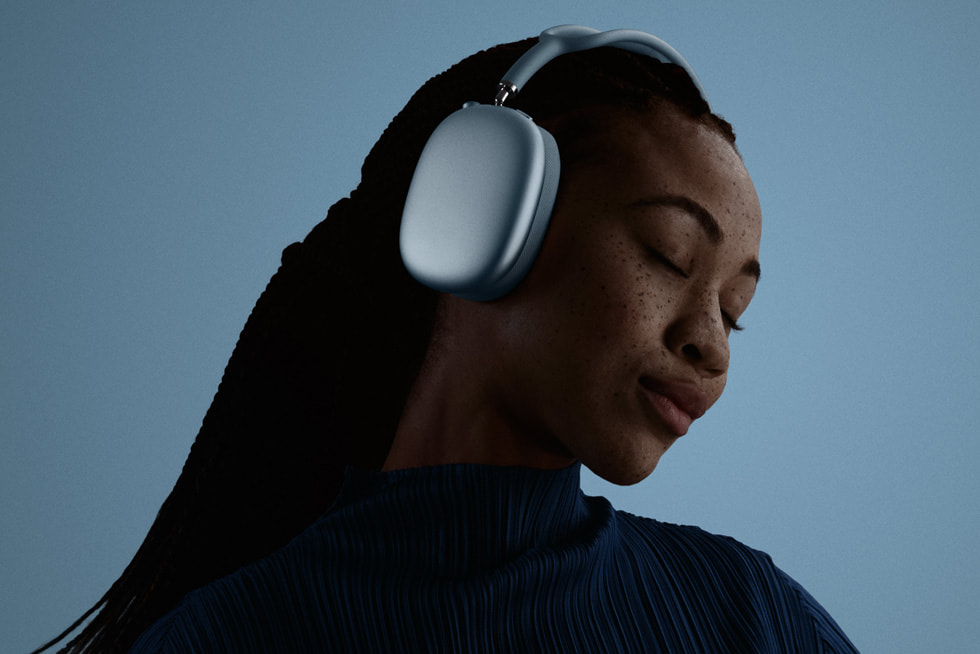
About AirPods Max
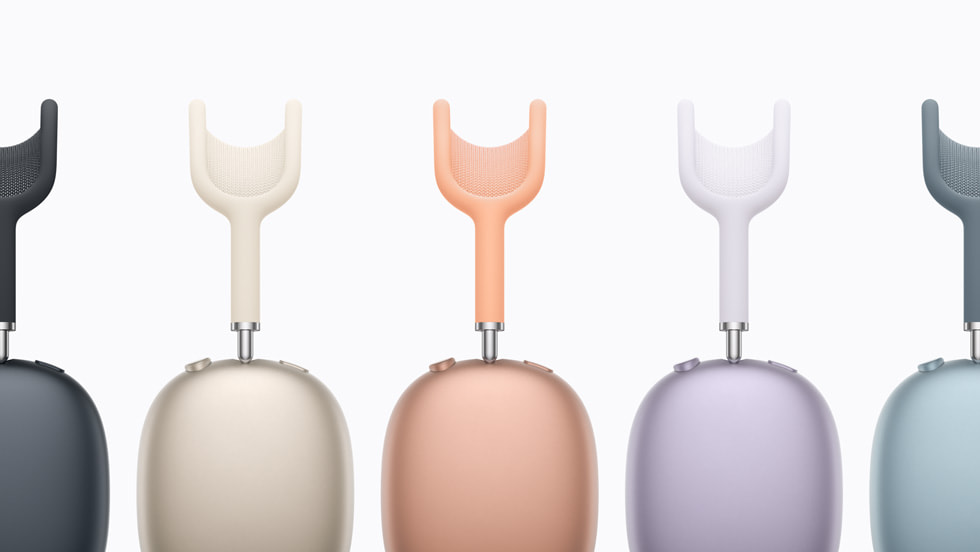
AirPods Max is Apple's only over-ear headphone line, and it has always been a single model at a time rather than a family of trim levels. It arrived in December 2020 at 549 US dollars, moved from Lightning to USB-C in September 2024 without other changes, and was replaced in March 2026 by AirPods Max 2, which carries the H2 chip and the same 549 dollar price. A buyer today is therefore choosing between two things: the current H2 model, and whatever stock of the older H1 version a retailer is still clearing. Both are aluminium and stainless steel over-ear designs weighing a little over 380 grams, both claim up to 20 hours of listening with noise cancellation running, and both are built to work best inside Apple's own ecosystem. The line has never been about breadth of choice. It is one shape, one weight class, five colours.
Key specifications
Design
| Wearing style | Over-ear, closed-back, non-folding |
|---|
Battery
| Listening time | Up to 20 hours with Active Noise Cancellation enabled |
|---|---|
| Fast charge | Around 1.5 hours of listening from 5 minutes of charging |
Controls
| Digital Crown | Turn for volume, press once to play or pause, press and hold for Siri |
|---|---|
| Listening mode button | Switches between Active Noise Cancellation and Transparency |
Accessories
| Smart Case | 134.5 grams, holds the headphones in an ultra low power state |
|---|
Pricing
| Launch price | 549 US dollars at launch, both first and second generation |
|---|
Where AirPods Max sits in Apple's audio range
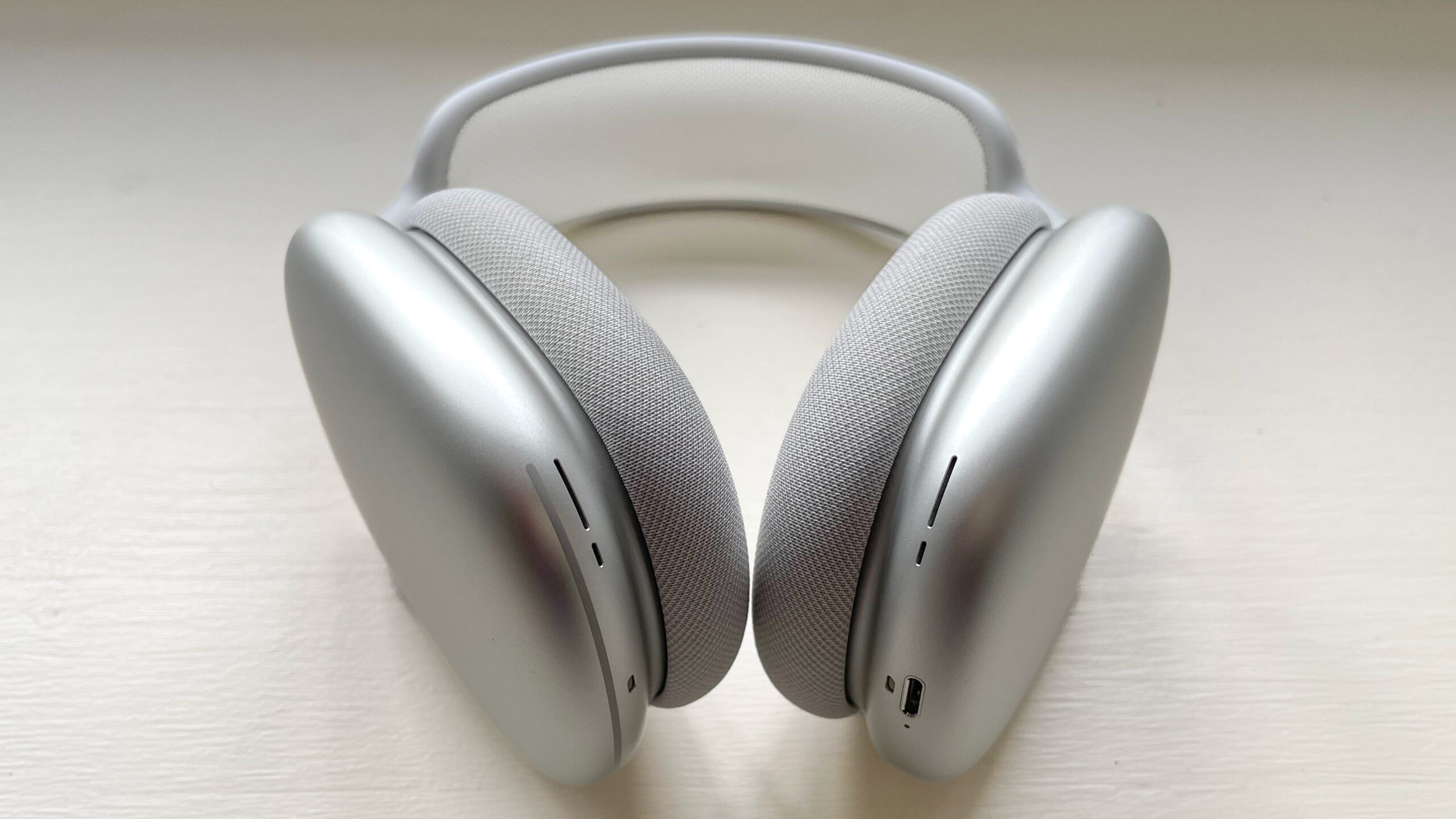
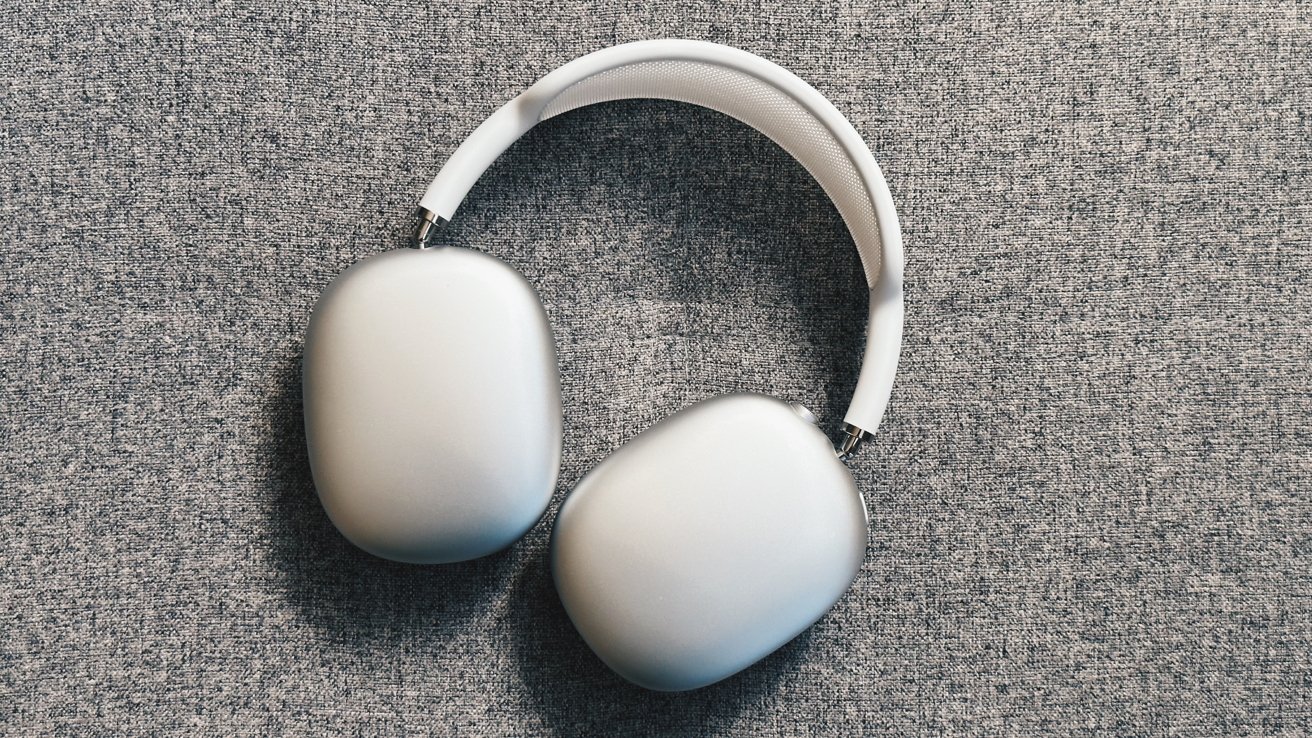
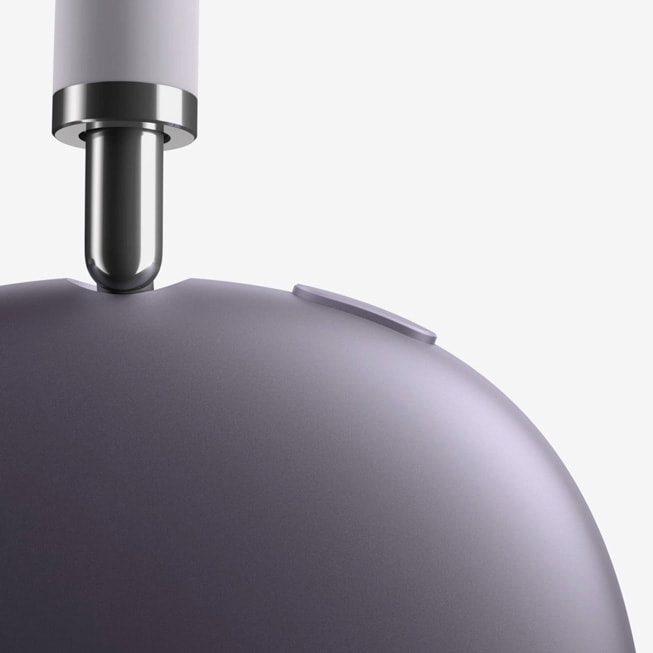
Apple sells three shapes of personal audio, and AirPods Max is the heaviest and the least portable of them. Standard AirPods are for pockets and short journeys. AirPods Pro adds active noise cancellation in an in-ear form that disappears into a coat. AirPods Max is the pair you put on and keep on: closed-back over-ear cups, memory foam cushions, a canopy that spreads the load, and a Digital Crown on the cup that turns for volume, presses once to play or pause, and is held down for Siri. A separate listening mode button switches between noise cancellation and Transparency. Nothing about it is built for travelling light. The headphones alone are 386.2 grams in the current generation, and the Smart Case adds another 134.5 grams if you carry it. This is a desk, sofa and long-flight product rather than a commuting one.
What the second generation changed
AirPods Max 2 was announced on 16 March 2026, opened for order on 25 March and began shipping in early April. The visible parts did not change. The chip did. Moving from H1 to H2 brought Apple's claim of up to 1.5 times more effective active noise cancellation, a rebuilt Transparency mode using a new digital signal processing algorithm, and the software features that H2 already enabled elsewhere in the range: Adaptive Audio, Conversation Awareness, Voice Isolation, Loud Sound Reduction, Live Translation, studio quality voice recording, Siri responses by head gesture, and Camera Remote. Battery life stayed at up to 20 hours with noise cancellation running, and five minutes on the cable still returns around 1.5 hours of playback. Colours stayed at midnight, starlight, blue, purple and orange. If you already own the USB-C model, the upgrade is a chip and a feature list, not a new pair of headphones.
Lossless audio only arrives over the cable
The USB-C change in 2024 mattered more than it looked. In April 2025 Apple shipped a firmware update alongside iOS 18.4, iPadOS 18.4 and macOS Sequoia 15.4 that enabled 24-bit, 48 kHz lossless audio and much lower latency on AirPods Max, but only over the included USB-C cable. Wireless playback stays on Bluetooth and stays compressed. AirPods Max 2 carries the same arrangement. This cuts in two directions. If you make music, edit video, or want to hear a high resolution library properly, the cable turns these into a credible monitoring pair and removes the lip sync drift that makes Bluetooth headphones awkward for editing work. If you were hoping for wireless lossless, this line does not offer it, and the original Lightning generation cannot do it at all.
Who AirPods Max suits
The clearest case is somebody already inside Apple's ecosystem who listens in long sittings rather than short bursts. Automatic switching between iPhone, iPad and Mac, Personalised Spatial Audio with dynamic head tracking for film, and the H2 feature set all land properly only when the surrounding devices are Apple ones. Build quality is the other half of the argument. Metal cups and a steel frame rather than the plastic almost every rival uses at this price, with cushions that attach magnetically and can be swapped rather than ending the life of the headphones. Anyone who buys headphones once every five years and wants them to survive that long is buying into the right object.
What to weigh against the nearest rivals
The two pairs to compare against are Sony's WH-1000XM6 and the second generation Bose QuietComfort Ultra Headphones. Both are lighter, both are plastic, and both fold down into a case you can actually get into a bag. Both also handle multipoint pairing the same way on Windows and Android as on a phone, which AirPods Max does not match once you step outside Apple hardware. Sony and Bose have each spent several product generations refining noise cancellation and both are routinely rated at or above Apple on raw quieting. What AirPods Max holds against them is materials, a physical crown that beats every touch panel on the market for volume, and the wired lossless path. Decide on the basis of which ecosystem you live in and whether the headphones have to travel.
Who should buy something else
Buy something else if you travel with a backpack and want headphones that fold flat, because AirPods Max does not fold and the Smart Case covers the cups but not the headband. Buy something else if your main machines run Windows or Android, because most of what the price buys stops working. Buy something else if you want wireless lossless, or a 3.5 mm socket you can put straight into an aeroplane seat without an adapter. Buy something else if weight is a problem: at 386.2 grams these are heavier than the Sony and Bose alternatives, and anyone who feels headband pressure tends to feel it here first. And if the appeal is really just quiet on a train, AirPods Pro does that job for a lot less money in a shape that fits a pocket.
Where to buy
Links go to the seller, not through us. We take no commission and these are not affiliate links, so the order below says nothing about who pays what. Prices and stock change constantly, so check on the day.
Reviews
No reviews yet
Nobody has reviewed AirPods Max here yet.