

About AirPods Pro
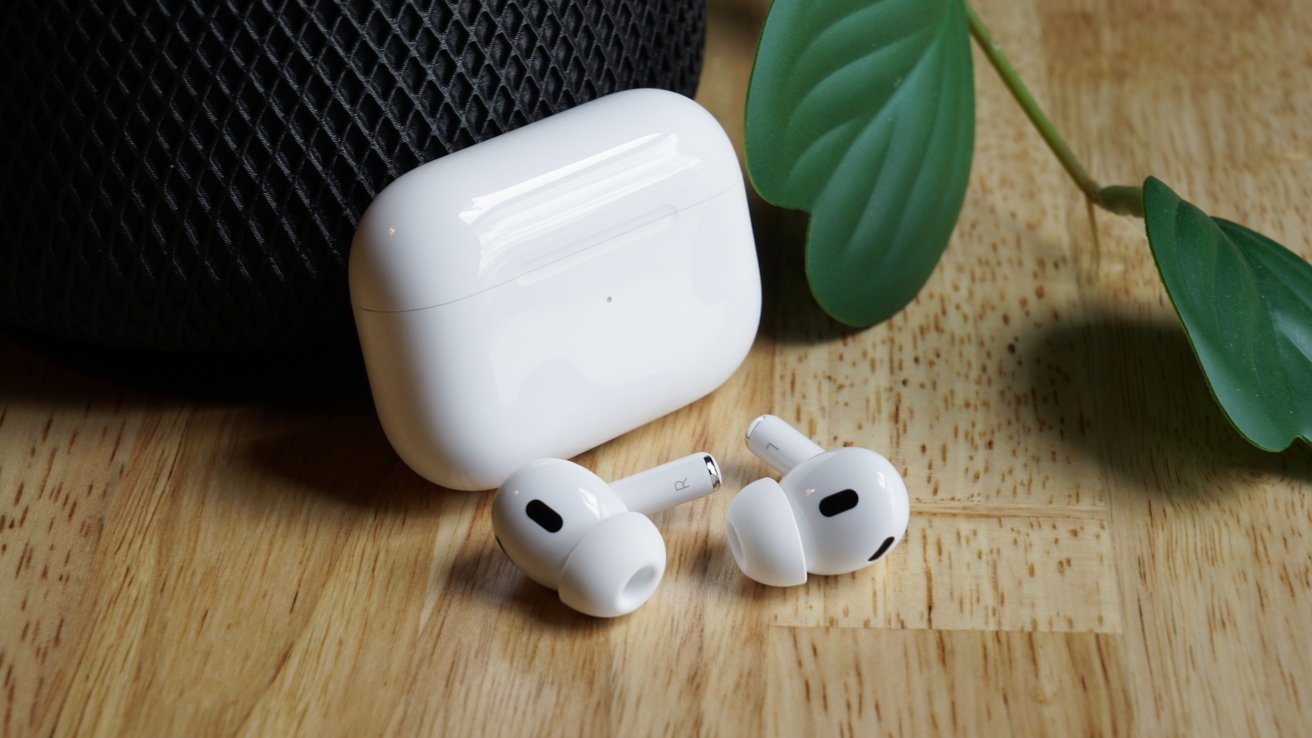
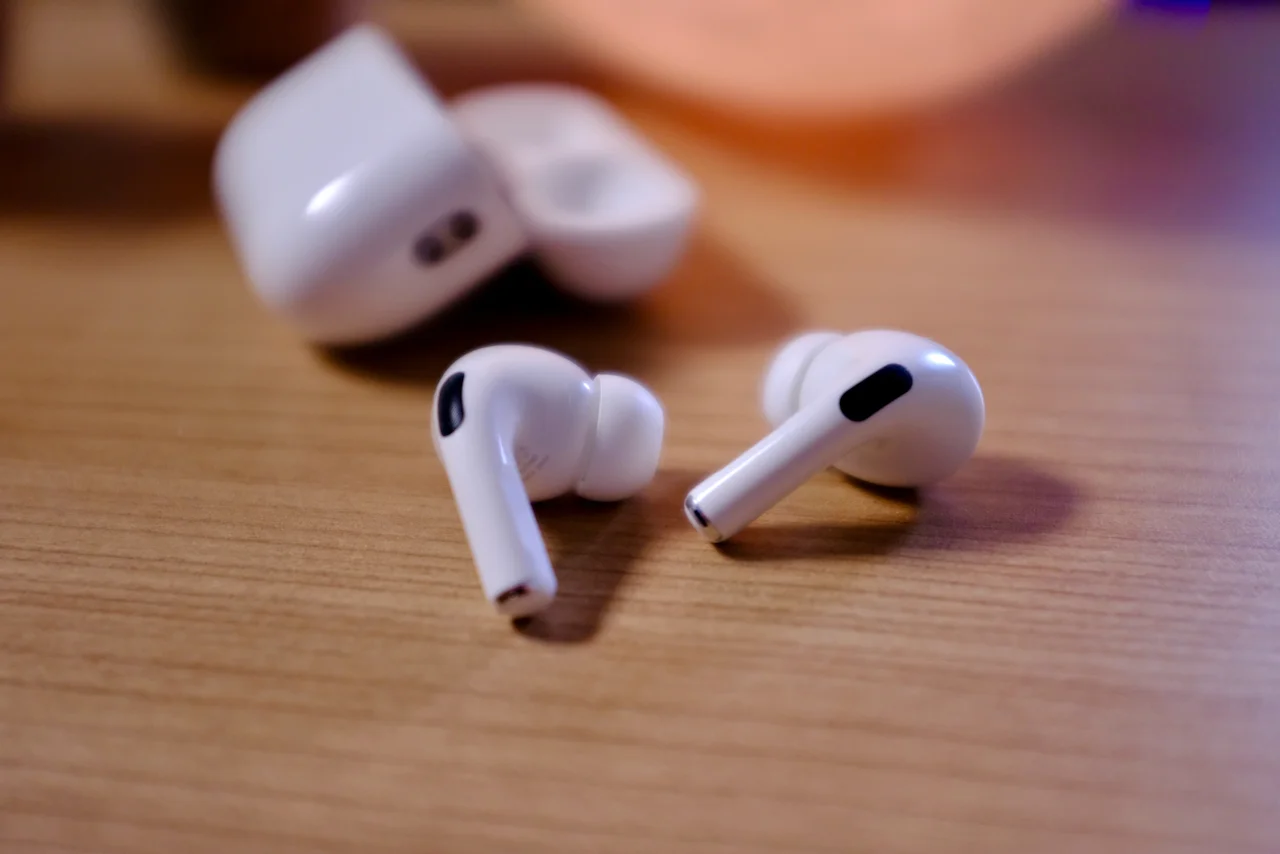
AirPods Pro is the in-ear, noise cancelling tier of Apple's earbud range, and it has run to three generations since October 2019. Every one of them launched at 249 US dollars, which makes this line unusually easy to reason about: Apple has added capability at a fixed price rather than moving upmarket. The first generation introduced the silicone tip and the force sensor stem. The second, in 2022, moved to the H2 chip and swapped Lightning for USB-C a year later. The third arrived on 19 September 2025 with foam infused ear tips, an IP57 rating, a heart rate sensor in the housing and Apple's claim of twice the noise cancellation of the model before it. What has not changed is the shape of the proposition: small, sealed, ecosystem bound earbuds that stop being clever the moment you pair them to something that is not an Apple device.
Key specifications
Design
| Fit | In-ear with a sealing tip, supplied in several interchangeable sizes |
|---|
Controls
| Stem | Force sensor for playback and calls |
|---|
Audio
| Listening modes | Active Noise Cancellation and Transparency |
|---|
Charging
| Case | Wireless charging on every generation of the line |
|---|
Pricing
| Launch price | 249 US dollars, unchanged across all three generations |
|---|
Where AirPods Pro sits in the AirPods range
Apple sells three earbud shapes and this is the middle one by size and the top one by capability. Standard AirPods sit in the ear without sealing it, which suits people who dislike the plugged feeling and are happy to hear the room around them. AirPods Max is the over-ear pair for long stationary listening. AirPods Pro is the only one that seals, and sealing is what makes active noise cancellation work properly. It is also the only line carrying the hearing health features and, since 2025, a heart rate sensor. For most buyers deciding between the three, the question is not sound quality. It is whether you want a seal in your ear canal, because everything else about this line follows from that one decision.
What the third generation changed
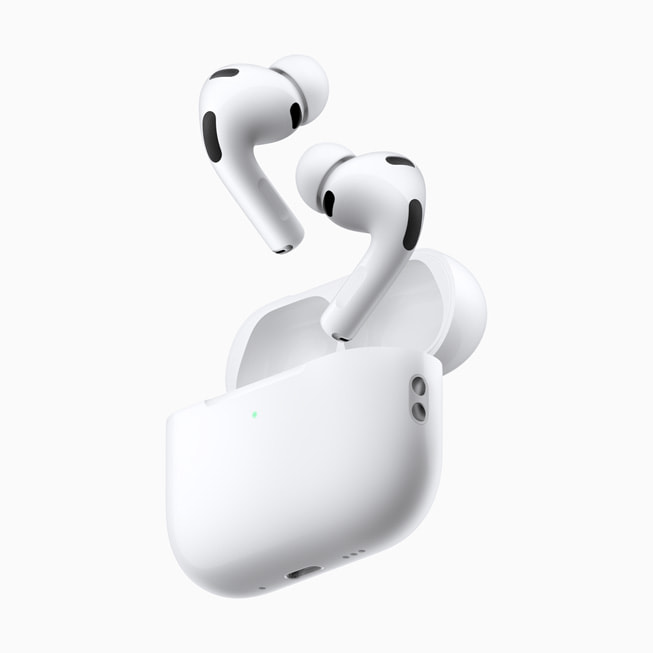
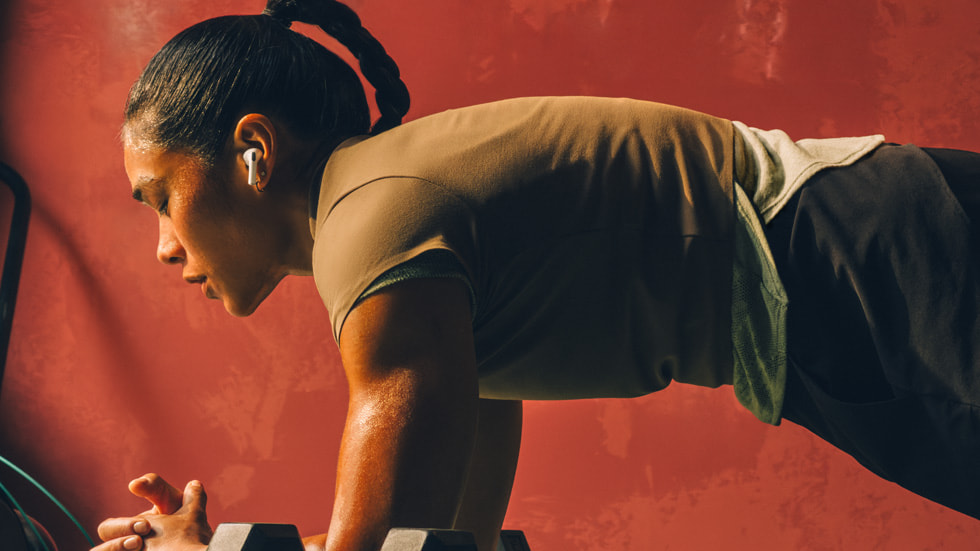
The third generation was announced on 9 September 2025 and went on sale ten days later at the same 249 dollars. The ear tips are the substantive change: foam infused rather than plain silicone, in five sizes from XXS to L, giving a fuller seal and more passive isolation before any electronics are involved. Apple angled the driver differently and extended the grille, and the housing now holds a heart rate sensor for workout tracking through the Fitness app and compatible third party apps. The case was redesigned with a hidden status light and no pairing button. Water and dust resistance moved to IP57. Reviewers found the noise cancellation clearly stronger than the second generation, including against speech, which is the hardest thing for these systems to suppress, though nobody has independently confirmed the doubling Apple claims. If you are coming from the second generation and already fit it well, expect to size down a tip.
Hearing health is the real differentiator
Since 2024 this line has carried features that are unusual in consumer earbuds: a Hearing Test that produces an audiogram, a Hearing Aid feature with FDA authorisation for mild to moderate hearing loss, Hearing Protection, and automatic Conversation Boost. That group is the strongest argument for AirPods Pro over anything a rival sells, because it turns a 249 dollar purchase into something that overlaps with devices normally costing several times more and requiring a clinic visit. It also changes who the line is for. Somebody buying these for a parent is buying a different product from somebody buying them for a commute, and the box reads the same either way.
Battery life and the trade-off Apple made
The third generation claims up to 8 hours of listening with noise cancellation on, two hours more than the generation before it, and up to 10 hours in Transparency with the Hearing Aid feature running. The case, though, holds less than it used to: 24 hours in total against 30 hours for the second generation. For most people the longer single charge is the more useful number, since it covers a long flight without going back to the case. For anybody who goes several days between charges, it is a step backwards. The case takes MagSafe, an Apple Watch charger, a Qi certified pad or a USB-C cable, and five minutes in the case returns about an hour of use.
What to weigh against the nearest rivals
Bose sells the closest competitor on noise cancellation and Sony sells the closest on features and codec support. Both work the same way on Android and Windows as on a phone, both support codecs Apple does not, and both usually give more control over the sound through an app with a real equaliser. What neither has is the hearing health package, automatic switching between Apple devices, Find My tracking through the case, or Personalised Spatial Audio tuned to a scan of your own ears. Sound quality between the three at this price is a matter of taste rather than ranking. Fit is not. These are small earbuds and the foam tips suit some ear shapes and not others, which is worth testing before committing.
Who should buy something else
Buy something else if your phone is not an iPhone. Roughly half of what the price buys is software that needs one, and on Android these become ordinary Bluetooth earbuds at a price that is no longer competitive. Buy something else if you dislike the sensation of a sealed ear canal, in which case standard AirPods are the right shape and cost less. Buy something else if you want an equaliser you can set yourself, or codec support beyond what Apple offers. Buy something else if you need several days of use between charges rather than one long session, because the case capacity went down. And if you already own the second generation and fit it well, the case for upgrading is the heart rate sensor and stronger noise cancellation, which is a real improvement but not an urgent one.
Where to buy
Links go to the seller, not through us. We take no commission and these are not affiliate links, so the order below says nothing about who pays what. Prices and stock change constantly, so check on the day.
Reviews
No reviews yet
Nobody has reviewed AirPods Pro here yet.