Google started in 1998 as a research project by two Stanford graduate students, Larry Page and Sergey Brin, who thought the way to rank a web page was to count who linked to it. Almost everything the company does now still runs back to that: organise the information, then make it useful to somebody who asked a question.
Search is still the front door. It has changed a great deal in the last two years, with AI Overviews summarising an answer at the top of the page and AI Mode turning a search into a conversation you can keep going, but the job it does has not.
Around Search sits most of the modern web. Android runs on more phones than any other operating system. Chrome is the browser most people open without thinking about it. YouTube is where a generation goes for everything from repair guides to live sport. Maps and Google Earth cover the physical world, Google Play distributes the applications, and Workspace is the set of tools a great many organisations run their day on: Gmail, Drive, Docs, Sheets, Slides, Calendar, Meet and Chat.
Two parts of the business are where the money and the research go. Google Ads and its neighbours, AdSense, Ad Manager, AdMob and Analytics, are the advertising system that funds the free products. Google Cloud sells the infrastructure and the data tools, from Compute Engine and Kubernetes to BigQuery and Vertex AI, to companies that would rather not run their own data centres.
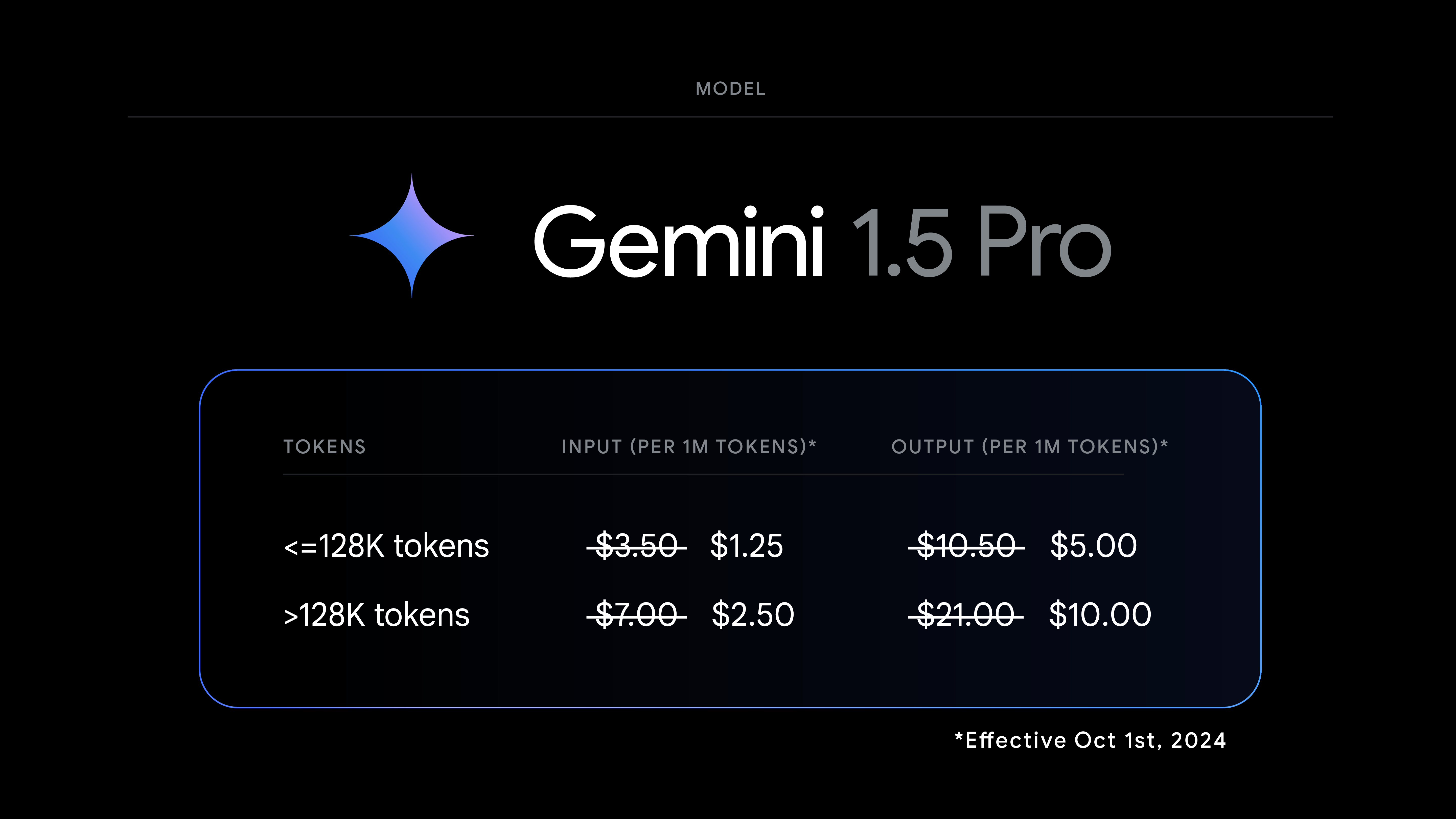
Gemini is the current generation of Google's AI work. It is a consumer app, an API developers build on, and increasingly a layer inside the other products rather than a separate destination.
Google also makes hardware. Pixel covers phones, a tablet, a watch and earbuds. Nest covers the house: thermostats, cameras, doorbells, speakers, mesh wifi and the Google TV Streamer. Fitbit covers health and fitness tracking, and its app is now the Google Health app.
Google has been a subsidiary of Alphabet Inc. since the 2015 reorganisation, and became Google LLC in 2017. Its head office is at 1600 Amphitheatre Parkway in Mountain View, California. Alphabet reported 190,820 employees across the group at the end of 2025.
Who owns Google? Alphabet Inc. does, and Alphabet is a public company. Control, though, sits with the founders. Alphabet's Class B shares carry ten votes each, its Class A shares one and its Class C shares none, and Larry Page and Sergey Brin together held about 52.7% of the total voting power at the record date for Alphabet's 2026 annual meeting.
What does Google own? Search, Android, Chrome, YouTube, Google Maps, Google Play, Google Ads, Google Cloud, Workspace and Gemini, plus the Pixel, Nest and Fitbit hardware. Several of those were bought rather than built. Google acquired Android in 2005, bought YouTube for 1.65 billion dollars in stock in 2006, agreed to buy Nest for 3.2 billion dollars in 2014, and completed its roughly 2.1 billion dollar purchase of Fitbit on 14 January 2021. Each of them has its own brand page on Brandligo.