About Harman automotive audio
Harman automotive audio is the part of Harman that almost nobody buys directly and almost everybody has heard. It is the business that designs, tunes and supplies factory-fitted sound systems and in-cabin electronics to vehicle manufacturers, who then sell them as an option box on the order form. Samsung Electronics acquired Harman in March 2017 for around eight billion dollars and runs it as an independent subsidiary, and the automotive side is the reason that deal happened: it gave Samsung a seat in the car, not a bigger speaker business. The output covers three areas. There is audio, which is the branded sound system. There is infotainment, meaning the screens, head units and software the driver touches. There is telematics and connectivity, the part that talks to the network. This page is about how that business works and what the badge on the door sill does and does not tell a buyer.
Why one supplier is behind so many different badges
The single most useful fact about premium car audio is that a large share of the competing badges belong to the same company. Harman owns JBL, acquired in 1969, Infinity from 1983, AKG from 1994, Mark Levinson and Revel through its purchase of Madrigal Audio in the 1990s, plus Harman Kardon, Lexicon, Becker and the automotive arm of Bang and Olufsen since 2015. A shopper cross-shopping three cars with three different premium audio names may be cross-shopping three systems engineered by one supplier. That is not a scandal and it is not hidden, but it does undercut the way the option is usually sold. The badge is a licence and a tuning brief, not evidence of a separate engineering tradition. It also explains why technologies show up under several names at once, and why a carmaker can change the badge on the grille between model years while the hardware underneath barely moves.
Why two cars with the same badge can sound very different
If the badge does not predict the sound, something else has to. Three things do. The first is budget: a premium audio package on a mid-priced car buys a fraction of the engineering, amplification and speaker count that a flagship luxury system does, even when both carry the same name. The second is the cabin. A car interior is a small, hard, asymmetric room with the listener sitting off centre and a lot of road noise, and how much acoustic treatment the manufacturer allowed for matters more than any driver specification. The third is tuning time. The systems that reviewers single out are usually the ones where the supplier was given access early and the vehicle maker paid for the hours. This is why a review of a specific car and a specific package is worth far more than any general claim about a brand, and why a badge that impressed in one model says almost nothing about the same badge in another.
What Harman sells beyond the speakers
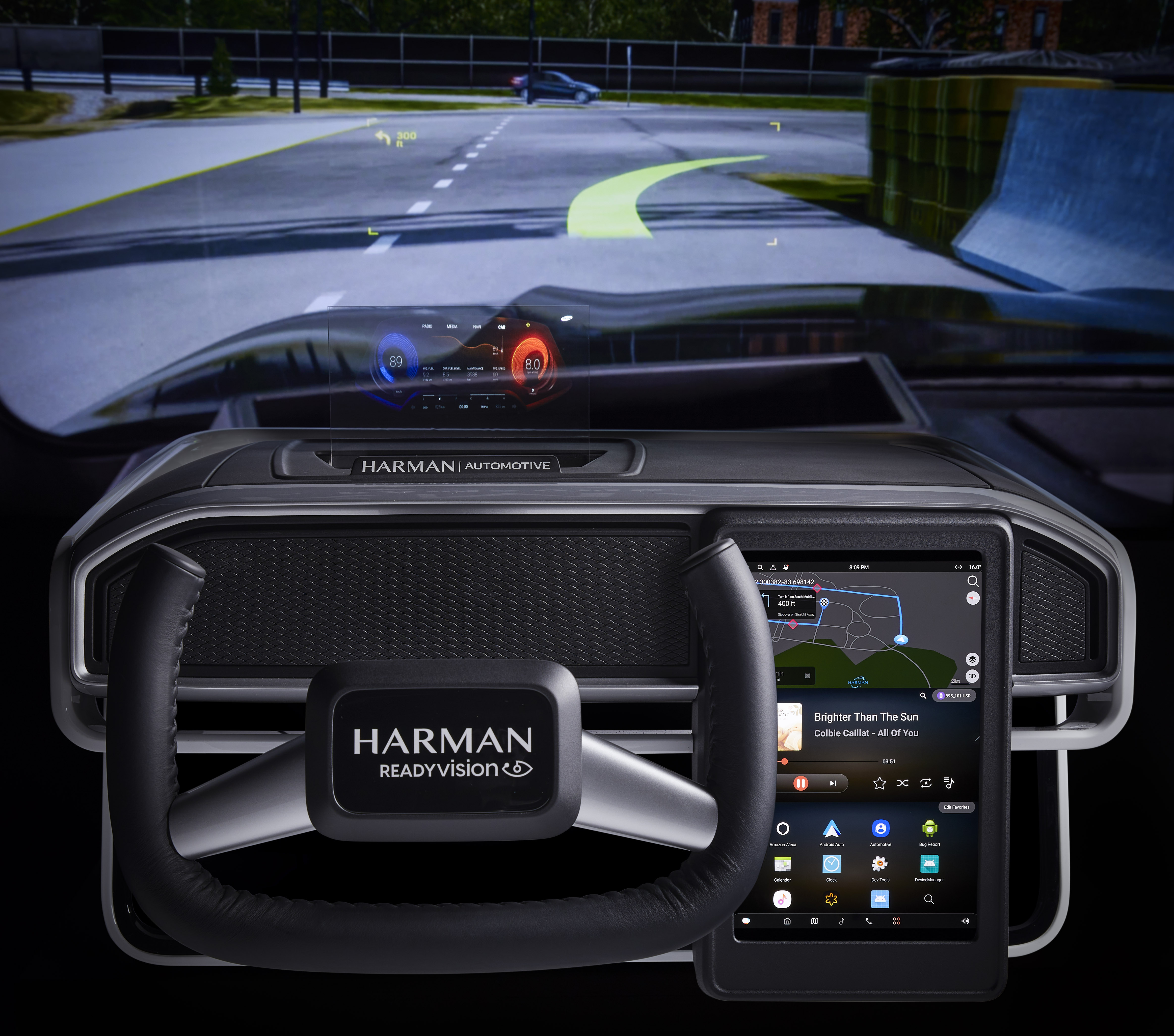
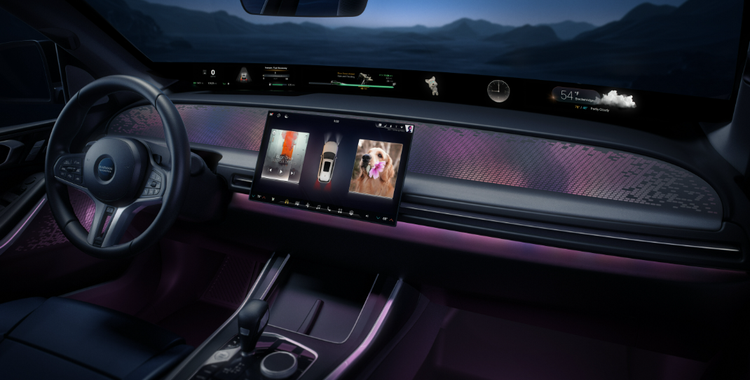
Audio is the visible part and not the largest part of the story. Harman also supplies infotainment systems, digital cockpit hardware, telematics units and connectivity software, and it markets these as automotive grade, meaning validated to the temperature, vibration and lifespan requirements carmakers impose rather than to consumer electronics standards. Becker, another Harman name, has a long history in car infotainment specifically. For a vehicle manufacturer the attraction is buying the sound system, the screen and the connectivity from one supplier that has already made them work together. For a buyer, the practical consequence is that the audio option and the infotainment behaviour are often more related than they look, and that complaints about one can be complaints about the other.
How this fits into Samsung
Samsung did not spend eight billion dollars for a loudspeaker catalogue. The automotive business was the point, and Harman continues to operate as its own company with its own brands rather than being folded into Samsung's consumer electronics divisions. Harman group revenue reached a record of about eleven billion dollars in 2025, and Harman has kept acquiring since the Samsung deal, completing the purchase of Sound United and its brands in September 2025. For anyone reading this page as a supplier or a partner rather than as a car buyer, that is the important structural fact: this is a tier one automotive supplier with a consumer audio business attached, not the other way round.
What to weigh against Bose, Burmester and the alternatives
The independent premium suppliers in this market are a short list. Bose is the largest competitor and takes a similar approach of tuning per vehicle. Burmester, Meridian, Naim, Dynaudio and Sony each hold positions with particular manufacturers, and Bang and Olufsen appears on some vehicles through arrangements that do not run through Harman. Comparing them brand against brand is close to meaningless for the same reason given above: the variable that moves is what the carmaker paid for, not whose name is on the tweeter. The useful comparison is between two specific cars, ideally back to back, on music the buyer knows, with the equaliser flat. Anyone doing that will learn more in twenty minutes than from any amount of brand research.
Who should skip the premium audio option
Plenty of people should. Anyone who mostly listens to speech, podcasts and radio in traffic will not recover the cost of a premium package, because the gains are in dynamics and staging that road noise and compressed streams largely erase. Anyone planning to replace the head unit or the speakers later should be careful, since factory systems are increasingly integrated with the car's network and amplification, and a premium package can make aftermarket replacement harder rather than easier. Anyone buying on the badge alone, without listening, is paying for a name that this page has just explained is shared across competitors. And anyone whose real complaint is road noise should spend the money on tyres and sound deadening first, because no amount of amplification fixes a loud cabin.
Reviews
No reviews yet
Nobody has reviewed Harman automotive audio here yet.