

About AKG
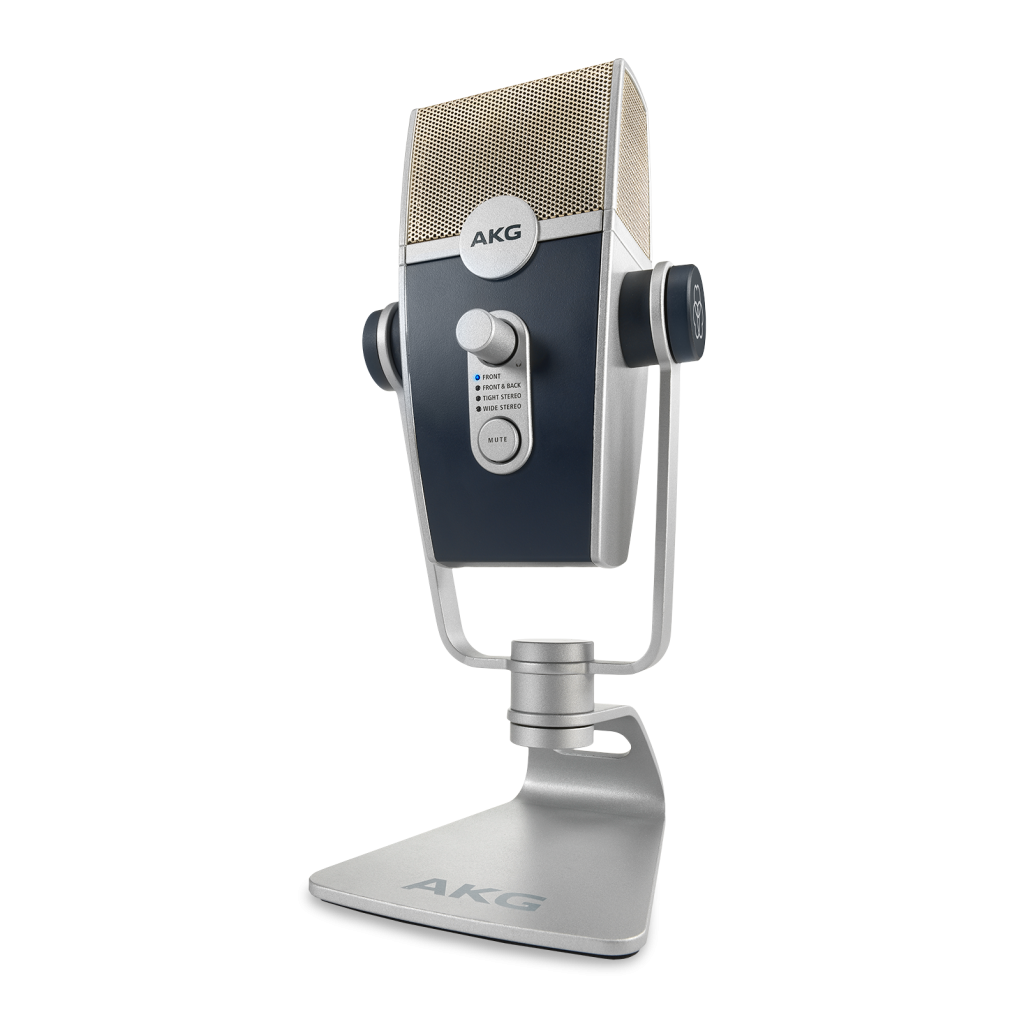
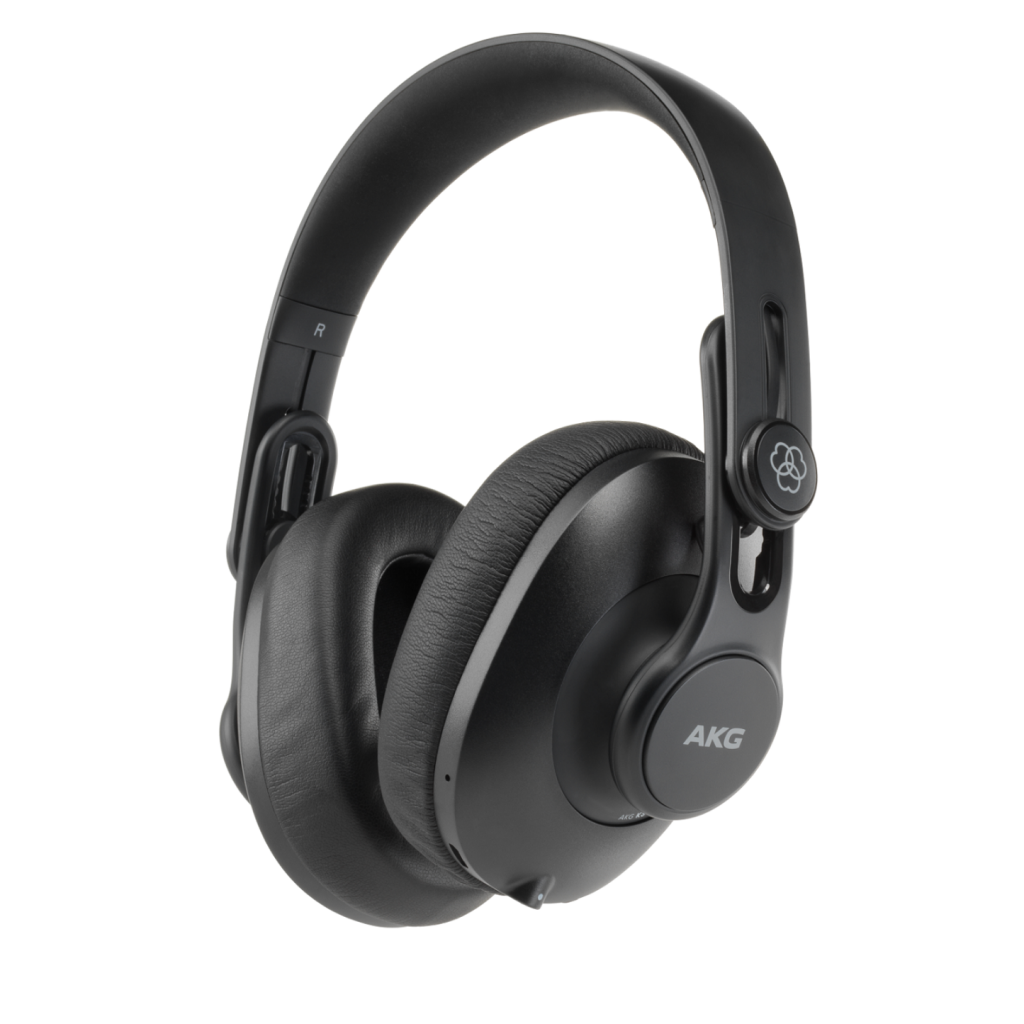
AKG is the professional audio brand inside Harman, which Samsung Electronics acquired in 2017. The name covers two families that share little beyond a badge: studio and stage microphones, and studio headphones. Both descend from a company founded in Vienna in 1947 by Rudolf Goerike and Ernst Pless, and the microphone side still sells designs that engineers have relied on for decades. AKG is not one product at one price. A C414 condenser competes in a different market from a K240 studio headphone, which competes in a different market again from the wireless and conference systems Harman Professional sells to installers. Anyone shopping the brand is really shopping one of three ranges, and the useful question is which one, and whether the specific model in it still holds up against what Shure, Sennheiser, Neumann and Audio-Technica put in the same slot.
Where AKG sits inside Harman and Samsung
Harman International bought AKG in 1994, and Samsung Electronics bought Harman in 2017. In practice that puts the name in two places at once. Harman Professional Solutions sells the microphones, studio headphones and wireless systems to studios, broadcasters, houses of worship and installers. Samsung separately uses AKG as an audio tuning credit on Galaxy phones and on earbuds it has bundled with them, which is a marketing arrangement rather than the same product line. A buyer who has seen the name on a phone box and expects the studio catalogue to be an extension of it will find the two have almost nothing in common. The professional catalogue is sold through pro audio dealers and documented at akg.com and pro.harman.com. The consumer tuning credit lives on Samsung's own product pages and does not carry over.
What the microphone range is actually known for
The microphones are the reason the brand has the reputation it has. The D12 dynamic of 1953 became a standard for broadcast voice and later for kick drum. The C12 valve condenser is the design most often copied, and its CK12 capsule fed into the C414, which arrived in 1971 and has been revised repeatedly since. The current C414 pair is the clearest illustration of how the range works. The XLII carries a gold grille and a brighter, more forward top end aimed at vocals and at anything that has to cut through a busy mix. The XLS carries a silver grille and a flatter, warmer character better suited to sources you do not want lifted. Both offer nine selectable polar patterns and switchable pads, which is the practical reason engineers keep one on a stand for whatever walks into the room. Below them sit the smaller C Series condensers, the C114, C214 and C314. Above them the C12 VR revives the tube design outright.
What the headphone range is for
AKG headphones split into studio monitoring and everything else, and the studio half is the half that earns the badge. The K240 has been in the catalogue in one form or another for decades and is still listed as the K240 Studio and the K240 MKII: semi-open, easy to drive, and cheap enough that studios buy them in fours for tracking. The K371 is the closed-back model most often recommended for mixing on a budget. The open-back K701 and K702 remain common on desks where isolation does not matter, and the K812 sits at the top of the range as the flagship. The pattern worth noticing is that the open and semi-open models leak sound in both directions. They are made for a quiet room and a mixing chair, not for tracking next to a live microphone and not for a commute.
How the move out of Vienna changed the brand
This is the part the brand's own pages will not discuss. In 2016 Harman announced it would close the Vienna facilities the following year. The brand headquarters moved to California and production went to other Harman plants, which ended seventy years of the company being an Austrian one. A group of the engineers who had worked there founded Austrian Audio in 2017, and it now sells microphones and headphones aimed at the same buyers. That history matters when reading older reviews. A recommendation written before the move describes a product designed and built by a team that no longer works on it, and buyers who care about that continuity now have somewhere else to go. It does not follow that current products are worse, and the C414 and the K371 both continue to be recommended by working engineers. It does mean that a glowing review from a decade ago is not evidence about today's manufacturing.
What to weigh against the nearest alternatives
Against Shure, the trade is breadth against certainty. An SM7B or an SM57 does one job and is close to impossible to get wrong. A C414 does far more jobs and asks the owner to know which pattern and which pad to pick, which is an advantage in a studio with an engineer and a liability in a spare room. Against Neumann, AKG is the value argument rather than the reference argument, and the gap narrows every time a C414 turns up on a record. On headphones, against Sennheiser, Beyerdynamic and Audio-Technica, the AKG models tend to be lighter and more comfortable across a long session but less bass-forward. Some engineers want exactly that and some find it thin, so this is the one comparison nobody should settle from a specification sheet. Against Austrian Audio the comparison is close by design, for the reason given above.
Who should buy something else
Anyone buying headphones for a commute, a plane or an open-plan office should look elsewhere. The strongest models in this range are open or semi-open, which means everyone nearby hears the music and the wearer hears the room. Anyone who wants one microphone for spoken word, podcasting or streaming, and who does not want to think about polar patterns, is better served by a dynamic broadcast microphone from Shure or Rode. The versatility that makes a C414 worth owning is wasted on a single fixed voice, and its sensitivity will faithfully record a room that has not been treated. Anyone buying because the name appears on their Galaxy phone should understand that the tuning credit and the professional catalogue are separate things, and that buying into the second does not extend the first. Anyone who specifically wanted the Vienna engineering team should look at Austrian Audio.
Reviews
No reviews yet
Nobody has reviewed AKG here yet.