About HyperX OMEN monitors
HyperX OMEN monitors are HP's gaming displays. They have been sold under the HyperX name since 5 January 2026, when HP folded its OMEN gaming line into HyperX so that the machines, the screens and the peripherals would all carry one brand. OMEN survives as a model name rather than as a brand of its own. The range is deliberately broad. At one end sit conventional IPS panels at 24 and 27 inches, aimed at people who want a high refresh rate for competitive play without paying for OLED. At the other end sit QD-OLED panels, including a 34 inch ultrawide and 27 inch models running at 240 Hz and at 500 Hz. Because the line spans two panel technologies and several sizes, there is no single screen size, refresh rate or price that describes it, and the useful question is which tier you belong in.
Where the range sits
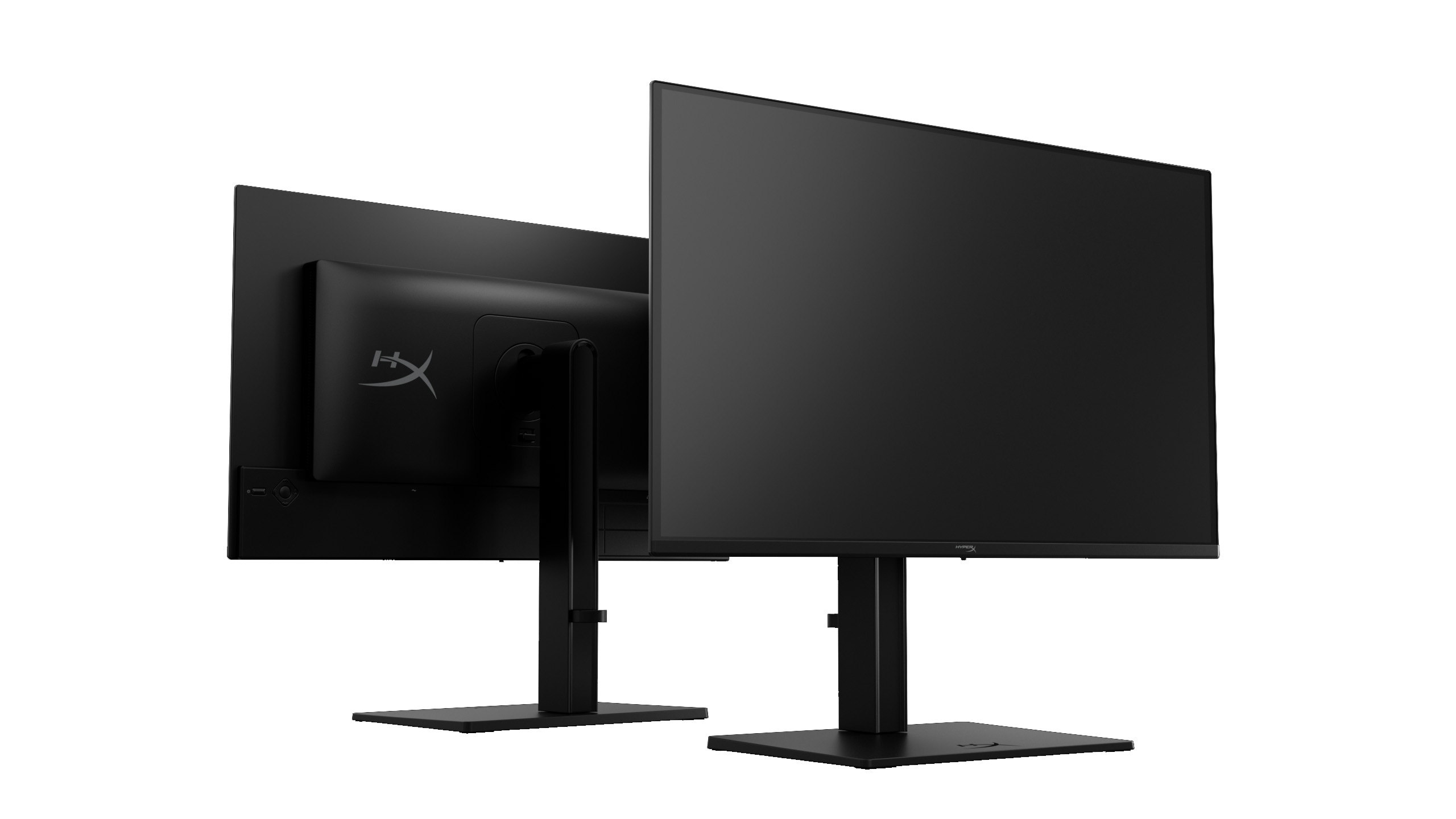
HP splits the line by panel technology first and size second. The IPS models are the volume sellers and the ones most buyers actually meet. Tom's Hardware reviewed the OMEN 27qs G2, a 27 inch 2560 by 1440 IPS panel running at 280 Hz, at 450 US dollars, and gave it an Editor's Choice award. It measured over 93 percent of DCI-P3 and a full 100 percent of sRGB, with peaks of 470 nits and contrast above 8,200 to 1 drawn from eight zone edge dimming. That review states the case for the IPS tier plainly: close to the video processing of an OLED at a price where, at the time of that review, OLED alternatives started around 600 US dollars.
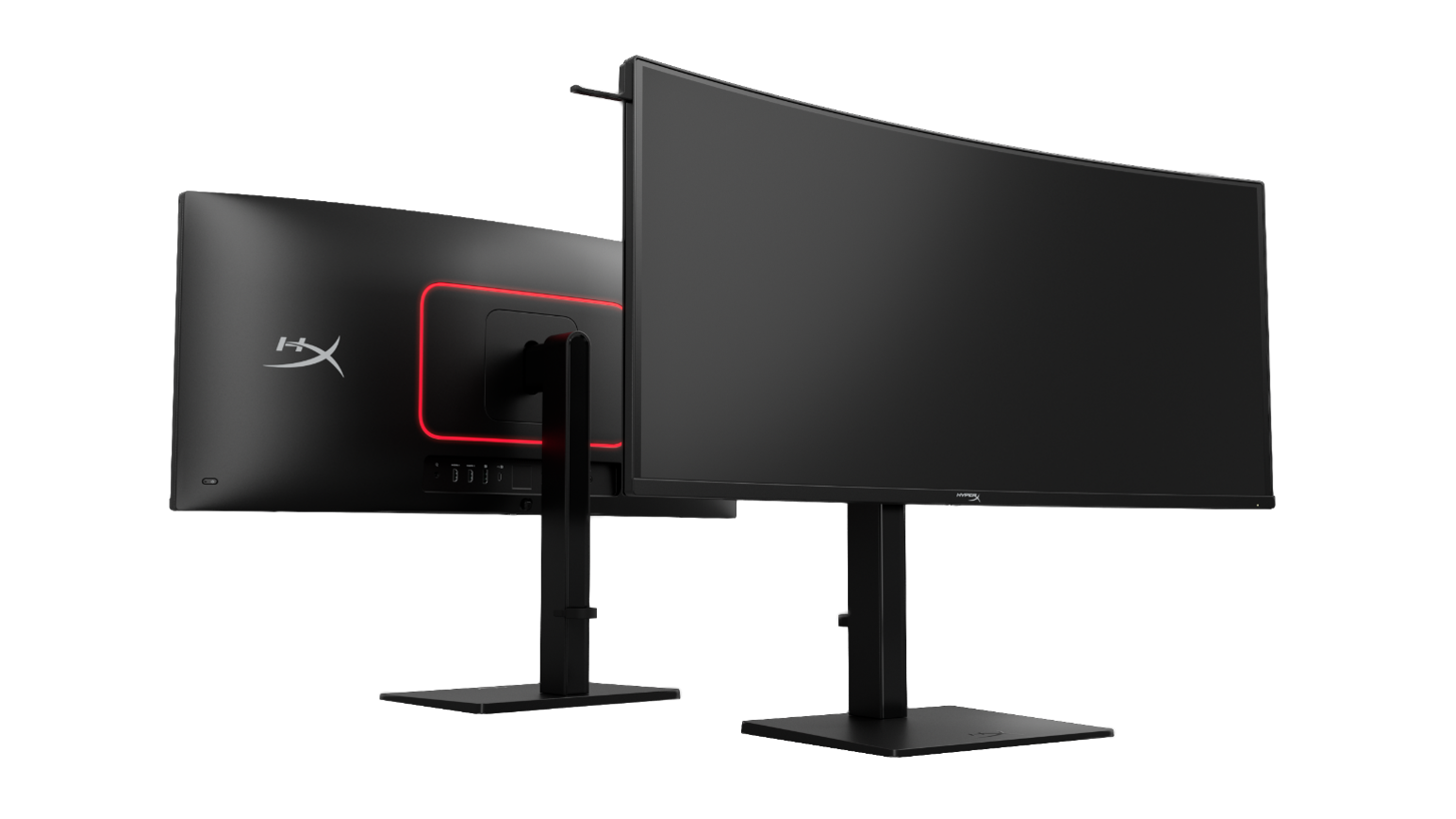
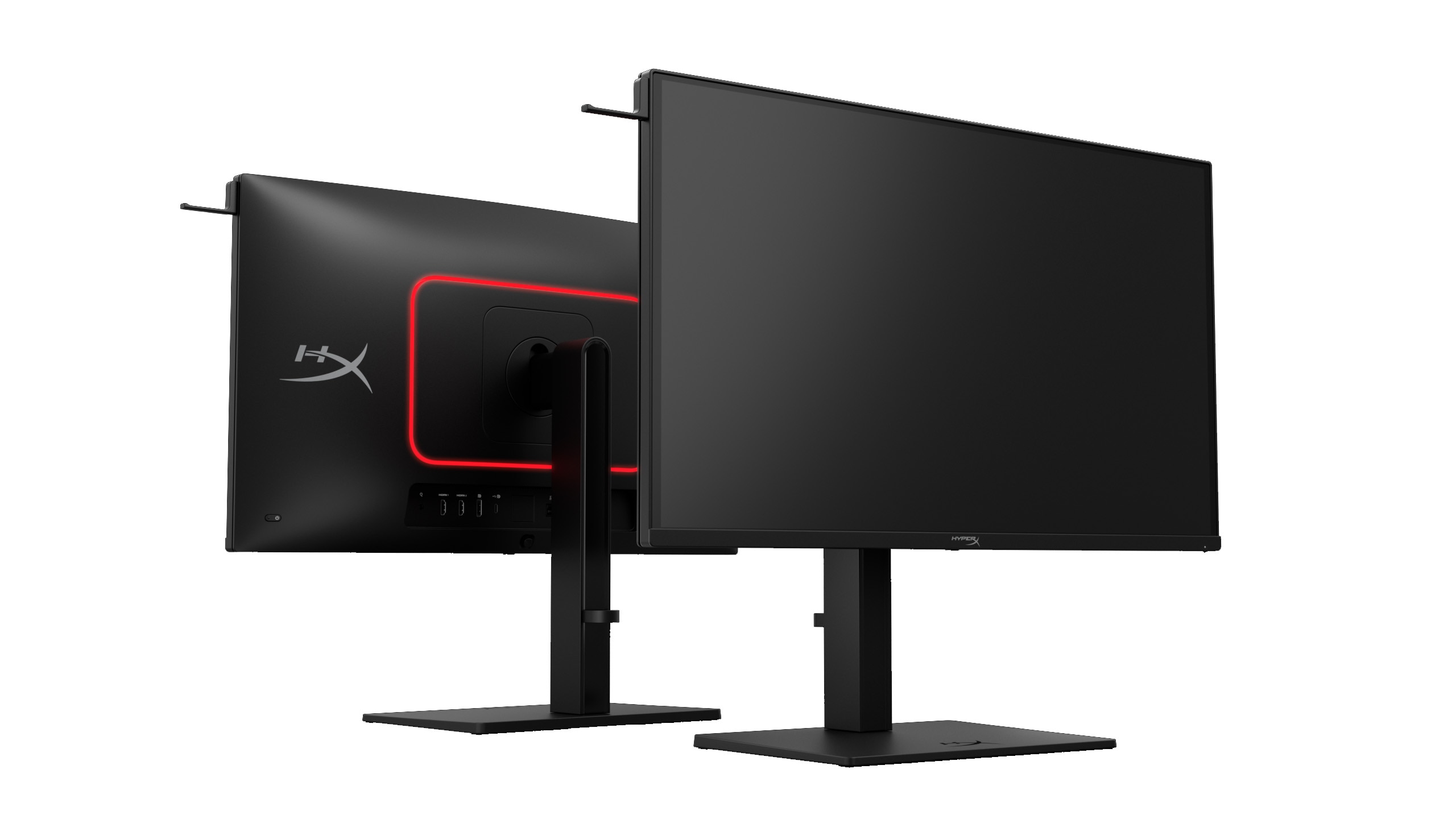
The OLED tier is where HP has put its recent attention. RTINGS covers the OMEN OLED 27q, a 27 inch 1440p QD-OLED at 240 Hz, as a budget OLED option. At CES 2026 HyperX added a second 27 inch QD-OLED at 500 Hz, also QHD, carrying DisplayPort 1.4, two HDMI 2.1 inputs, USB-C with up to 100 W of power delivery, a USB hub, a KVM button and addressable RGB lighting. Above both sits the OMEN OLED 34, a 34 inch 21:9 WQHD QD-OLED at 360 Hz with a quoted 0.03 ms response time, built on what HP describes as a next generation V-stripe QD-OLED panel and fitted with a KVM switch, 100 W USB-C power delivery and a 3D printable headphone hook.
Who these monitors are for
The tuning priority across the line is frame delivery rather than colour work. Every tier leads on refresh rate, and the model names carry the refresh figure rather than a colour gamut claim. If you play competitive shooters, and you care more about how clean motion looks at 240 Hz and above than about how a print will match the screen, this line is built for you.
There is one exception worth knowing. HP fits the OMEN OLED 34 with a feature it calls HyperX ProLuma and markets it for colour accuracy, which sets that model apart from the rest of the range. Treat that as a claim from the maker rather than as a measured result, because independent measurements of that panel were not available when this page was written. If colour accuracy is the reason you are buying, wait for a review that puts a meter on it.
What to weigh against the nearest rival
The first comparison to make is inside the line rather than outside it. At 27 inches you can have IPS at 280 Hz for a mid price, QD-OLED at 240 Hz for more, or QD-OLED at 500 Hz for more again. The jump from IPS to OLED buys you per pixel black level and faster pixel response. The jump from 240 Hz to 500 Hz buys you very little unless your graphics card can actually push those frames in the games you play, which in practice means older or lighter competitive titles rather than current single player releases.
Against rival brands, the panels themselves are less of a differentiator than they look, because QD-OLED panels of this generation are sold to several monitor makers. What separates them is the cover you get. HP quotes a three year limited warranty on the OMEN OLED 34 alongside a burn-in mitigation feature it calls OLED CoreProtect. Warranty length and what it explicitly covers on an OLED panel is the specification worth comparing line by line before you commit.
Who should buy something else
Buy something else if colour accuracy is the job. A display sold on refresh rate, with calibration that varies from model to model across the range, is the wrong tool for photo or video grading. A calibrated professional monitor from a maker that publishes a per unit calibration report will serve you better.
Think carefully if you want 4K. The line does have a 4K option in the OMEN 27u, a 27 inch IPS panel at up to 144 Hz that HP has sold since 2022 for both consoles and PCs, so 4K here means giving up OLED and most of the refresh headroom the newer models sell. Every OLED model in the range is QHD at 27 inches or WQHD at 34 inches. If you want 4K and OLED together at a high refresh rate, that combination is not in this line and you should look outside it.
Buy something else if your screen shows static content all day. Editors, terminals and spreadsheets with fixed toolbars are the workload OLED panels handle least well, whatever mitigation is fitted. The IPS models in this same range are the safer answer, and they are cheaper.
Finally, be careful if you need to plan a purchase to a budget and a date. The models shown at CES 2026 were announced without prices, with availability given only as Spring. If you need a screen this month at a known figure, shop the established IPS models instead of waiting on the announced OLED ones.
Reviews
No reviews yet
Nobody has reviewed HyperX OMEN monitors here yet.