About HyperX headsets
HyperX headsets are the gaming audio line HP owns, and for most people they are the reason the HyperX name means anything. The brand belonged to Kingston until HP agreed to buy it in 2021 for 425 million dollars, with Kingston keeping the memory business and HP taking the peripherals. The headsets are sold as families rather than as one model: Stinger at the bottom, Cloud II and Cloud III through the middle, Flight and Alpha above them, and Cloud Jet as a newer wireless entry point. What holds the range together is not a house sound. It is comfort, which is what the original Cloud was praised for and what independent reviewers still put in the first paragraph.
Key specifications
Connectivity
| Wireless models | 2.4 GHz and Bluetooth on every wireless headset in the range |
|---|
Range
| Families | Cloud Stinger, Cloud II, Cloud III, Cloud Flight, Cloud Alpha and Cloud Jet |
|---|
Ownership
| Owner | HP, which acquired HyperX from Kingston in 2021 |
|---|
How the range is laid out
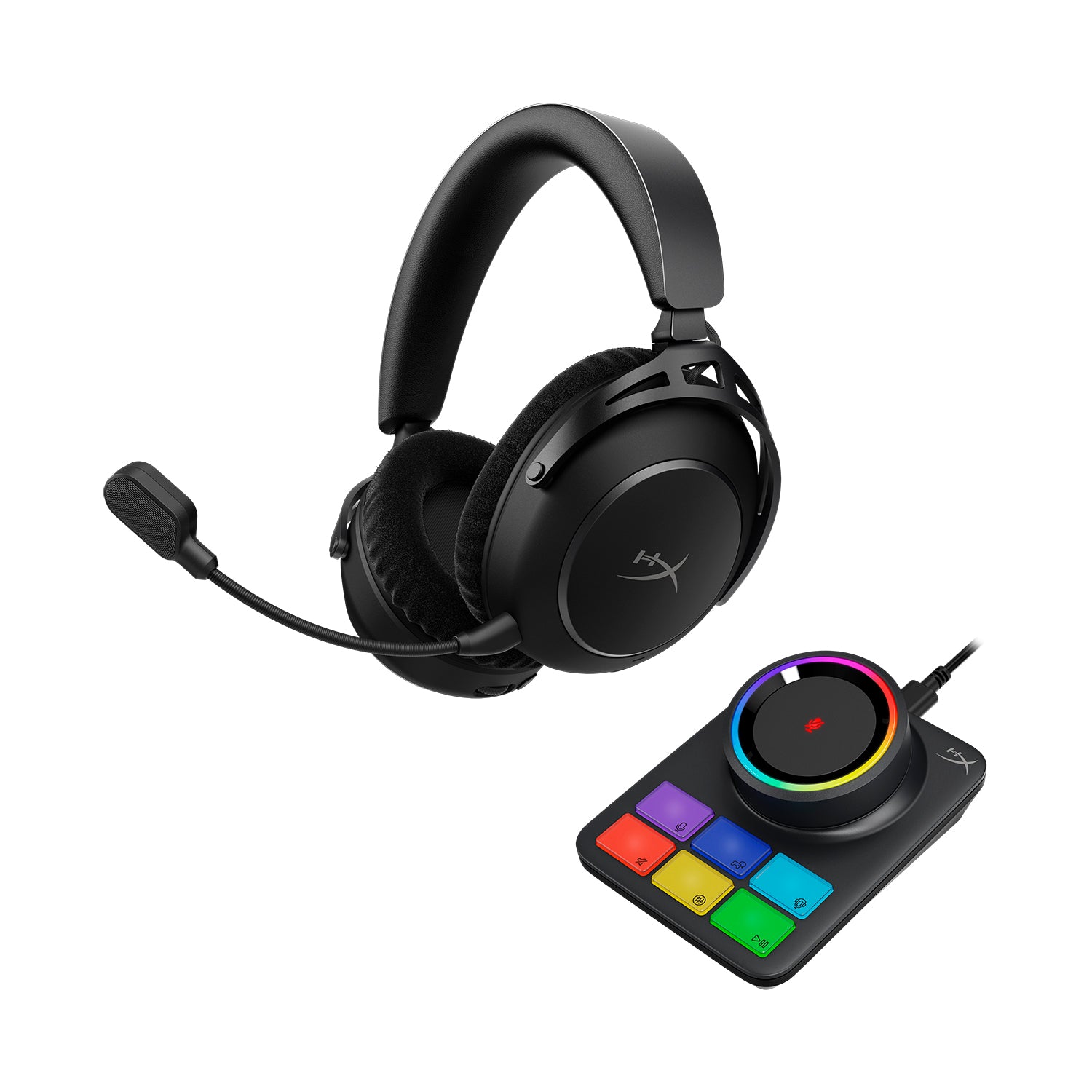
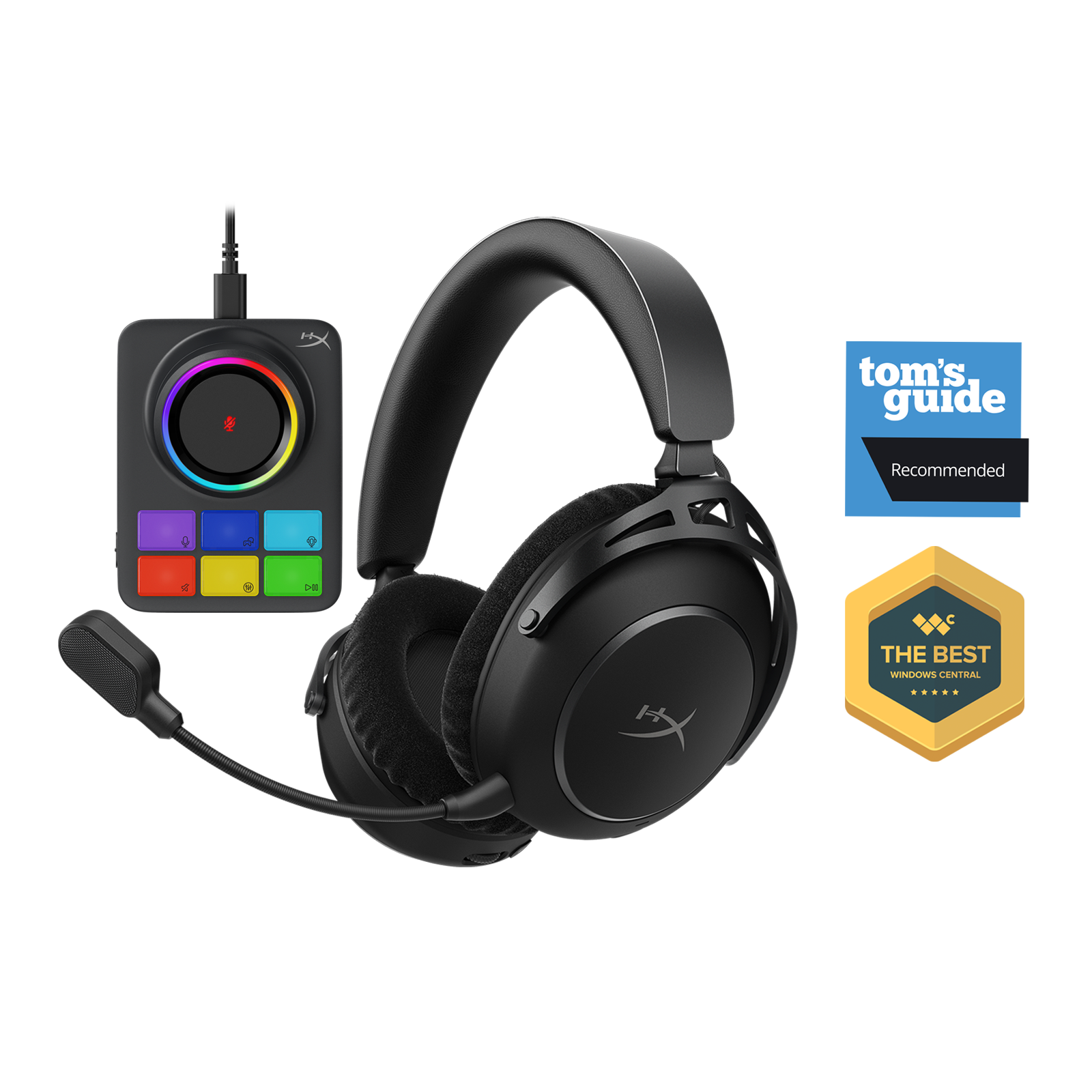
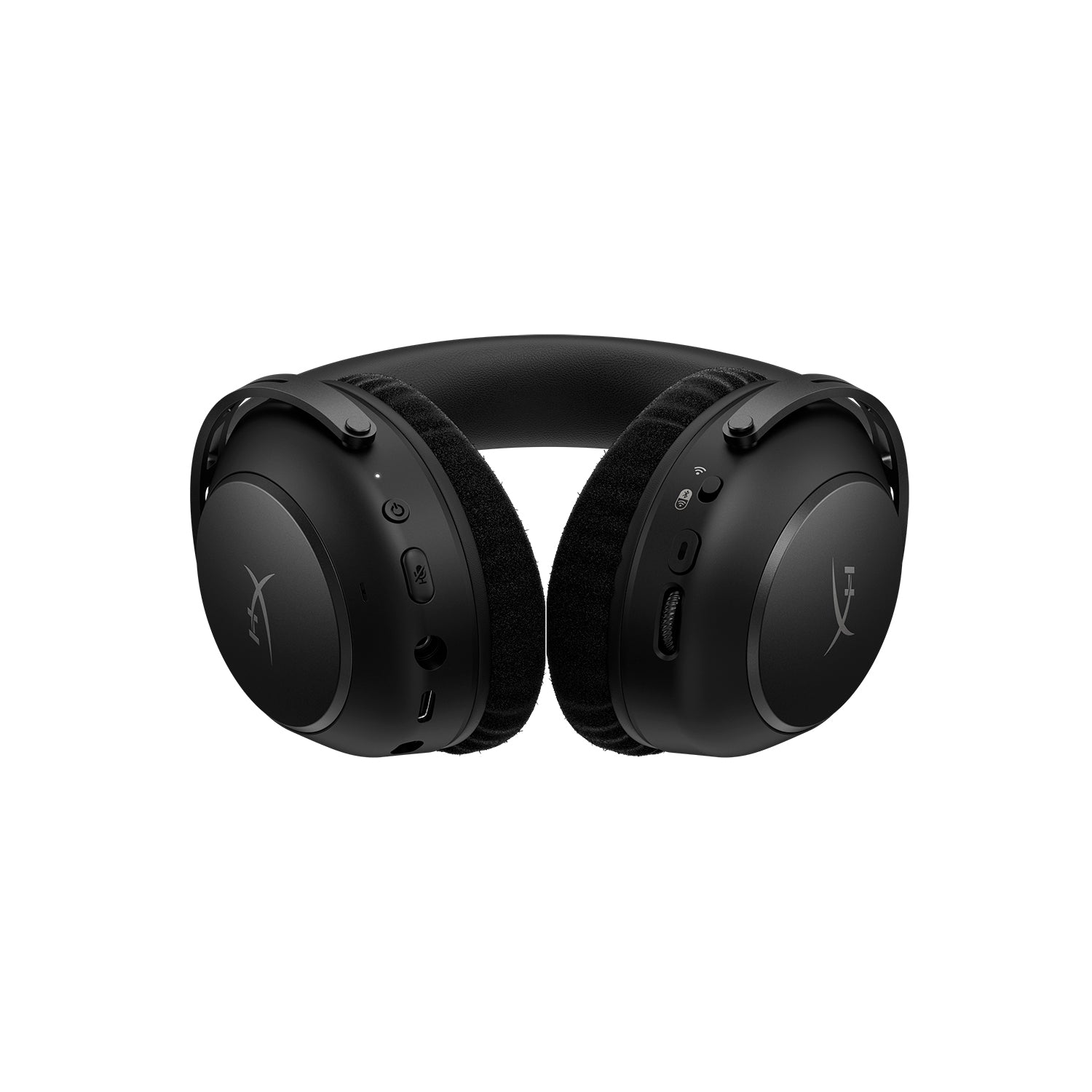
HyperX's own store groups the current headsets into a handful of families. Cloud Stinger 3 is the wired entry point, listed with 50 mm drivers and a noise cancelling microphone, and Cloud Stinger 3 Wireless adds both 2.4 GHz and Bluetooth. The Xbox licensed CloudX Stinger 3 Wireless is quoted at 80 hours on a charge. Cloud II is the older wired model that built the reputation, still on sale and still shipping with its virtual surround control box. Cloud III is the current wired mainstream pair, listed with angled 53 mm drivers, and Cloud III S Wireless is quoted at up to 120 hours. Cloud Flight 2 Wireless is the one with removable RGB plates, with the Xbox CloudX Flight 2 quoted at 100 hours. Cloud Alpha 2 Wireless sits at the top, with a reprogrammable RGB base station and a quoted figure of up to 250 hours. Cloud Jet Wireless is the newer dual wireless entry model. Every wireless model in the range offers 2.4 GHz and Bluetooth.
What the brand is actually good at
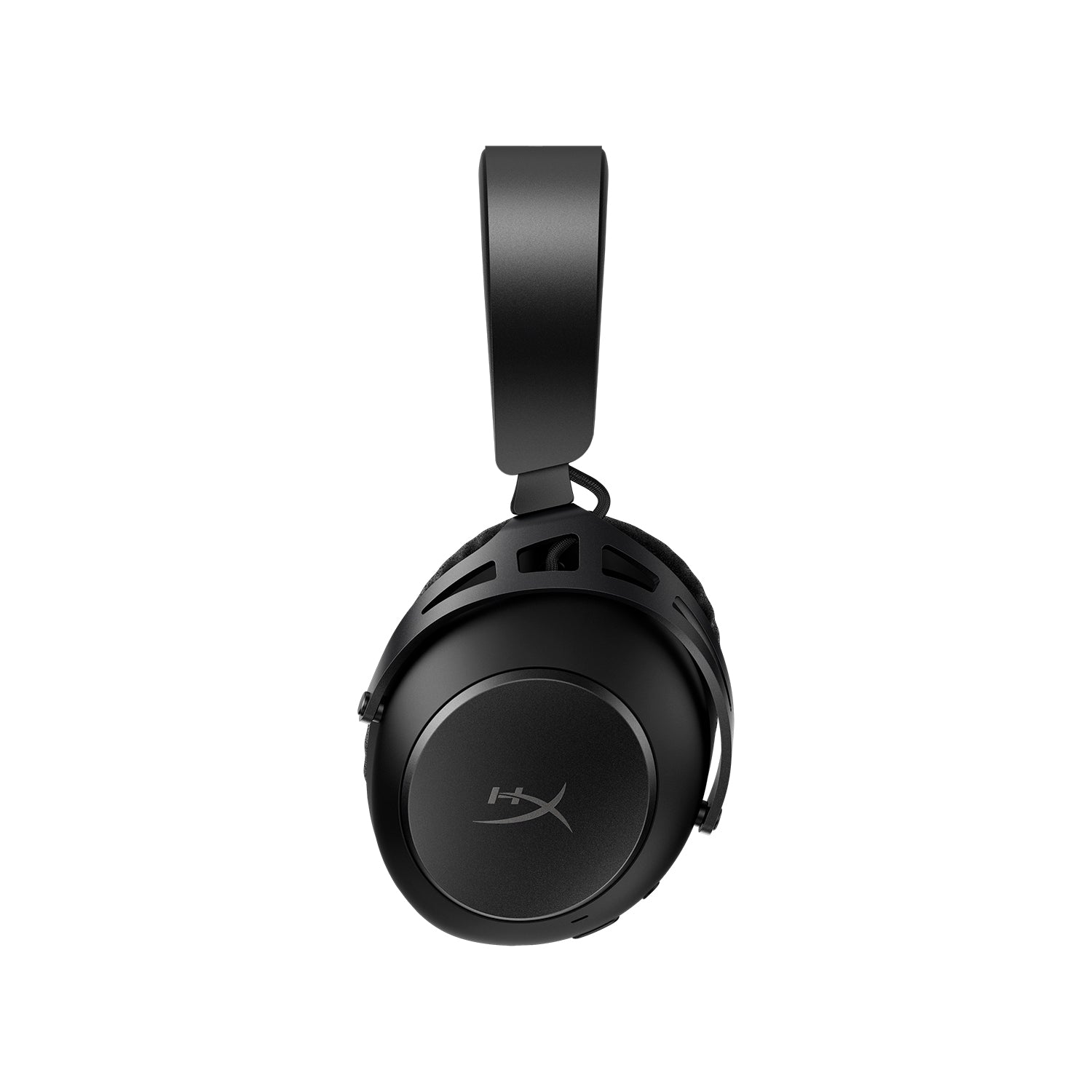
Comfort, and it is not close. Almost every independent review of a HyperX headset reaches for it before anything else. Tom's Hardware describes the Cloud Alpha 2 Wireless as premium in build, with a flexible steel headband, and wearable for extended periods without fatigue. HowToGeek calls the same headset ultra comfortable, singles out the memory foam and breathable microfibre pads, and reports wearing it for more than forty hours between charges. That is the thread running the length of the range, and it is a real piece of engineering rather than a slogan. A headset that sounds good and hurts gets taken off after an hour. A headset that sounds fine and disappears on the head gets worn all evening, which for this category is the thing that actually matters.
Where the sound sits
Reviewers are consistently warmer about the comfort than about the audio, and the gap widens as the price climbs. Tom's Hardware judged the Alpha 2 better sounding than the Cloud III but concluded it was not worth its asking price on audio alone, citing a compressed profile, sibilance in the treble and bass without much depth, and pointed to the Audeze Maxwell and the Razer BlackShark V3 Pro as better choices if sound is the deciding factor. HowToGeek found a marked difference between wired and wireless on the same headset, with the wired connection richer and the wireless noticeably thinner. The tuning across the range leans towards games rather than music: footsteps, positional cues, detail in the mid range. Anybody planning to listen to albums through the same pair should listen before buying rather than after.
Microphones and the streaming question
The microphone is the other place the range gives ground. Tom's Hardware rates the Alpha 2 boom microphone as moderately full and warm and describes the built in backup microphones as thin. HowToGeek found voice captured clearly but at lower volume than the price suggests, and said plainly that anybody intending to stream professionally should not rely on the headset microphone. That is a reasonable position for the whole range rather than one model. These are headsets with a serviceable microphone attached, which is the right design for playing games with friends and the wrong one for building an audience. A separate microphone changes the result more than moving up a tier within the line does.
What to weigh against the alternatives
The comparison worth making depends on what is being optimised. Against SteelSeries and Logitech at similar money, HyperX tends to win on how the headset feels after three hours and lose on software polish. Against Razer and Audeze at the top of the market, it loses on outright audio quality, which reviewers of the Alpha 2 state directly. Against HyperX itself, the most useful comparison is internal: Tom's Hardware notes that Cloud III alternatives deliver comparable quality at significantly lower cost, which is an unusual thing for a reviewer to say about a company's flagship and is worth taking seriously. Moving up the HyperX range buys battery life, wireless flexibility and a base station. It does not buy a proportionate step in sound.
The software is the weak point
NGENUITY is HyperX's configuration application, and it is where independent reviews turn critical. Tom's Hardware reports that on the Alpha 2 the settings do not persist unless the software is running, and describes the software as still carrying beta status with the limits that implies. HowToGeek reports glitches and occasional failures to reconnect to the headset. Equaliser presets, spatial audio and programmable buttons all live there, so a buyer choosing a model for those capabilities is buying into the software as much as the hardware. The headsets work as headsets without it. The features layered on top are less dependable than the physical product underneath them.
Who should buy something else
Anyone whose main use is music rather than games should look at ordinary headphones at the same money, because the tuning here is aimed elsewhere and the wireless links compress it further. Anyone streaming or recording seriously should buy a cheaper HyperX headset and a standalone microphone rather than paying up the range for a boom arm that reviewers find merely adequate. Anyone who wants active noise cancellation should look elsewhere entirely, since the flagship does not offer it. Console players should check the licensing before buying, because the Xbox compatible models are separate CloudX products rather than a setting. And anyone who moves around with a laptop should think twice about the top of the range, since the base station that carries the controls is a desk fixture and not something to travel with.
What varies across the line
This page describes a range, not a model, and the numbers move a long way between one end and the other. Battery figures quoted by HyperX run from 80 hours on the Xbox Stinger to 250 hours on the Alpha 2, and reviewers note the top figure applies to 2.4 GHz alone rather than to dual wireless use. Driver sizes differ, connection options differ, and prices differ by several multiples. HyperX does not publish a single specification that holds for every headset in the line, and no page that claims one should be trusted. Check the model, not the family, before buying anything on the strength of a review.
Where to buy
Links go to the seller, not through us. We take no commission and these are not affiliate links, so the order below says nothing about who pays what. Prices and stock change constantly, so check on the day.
Reviews
No reviews yet
Nobody has reviewed HyperX headsets here yet.