About HyperX OMEN laptops
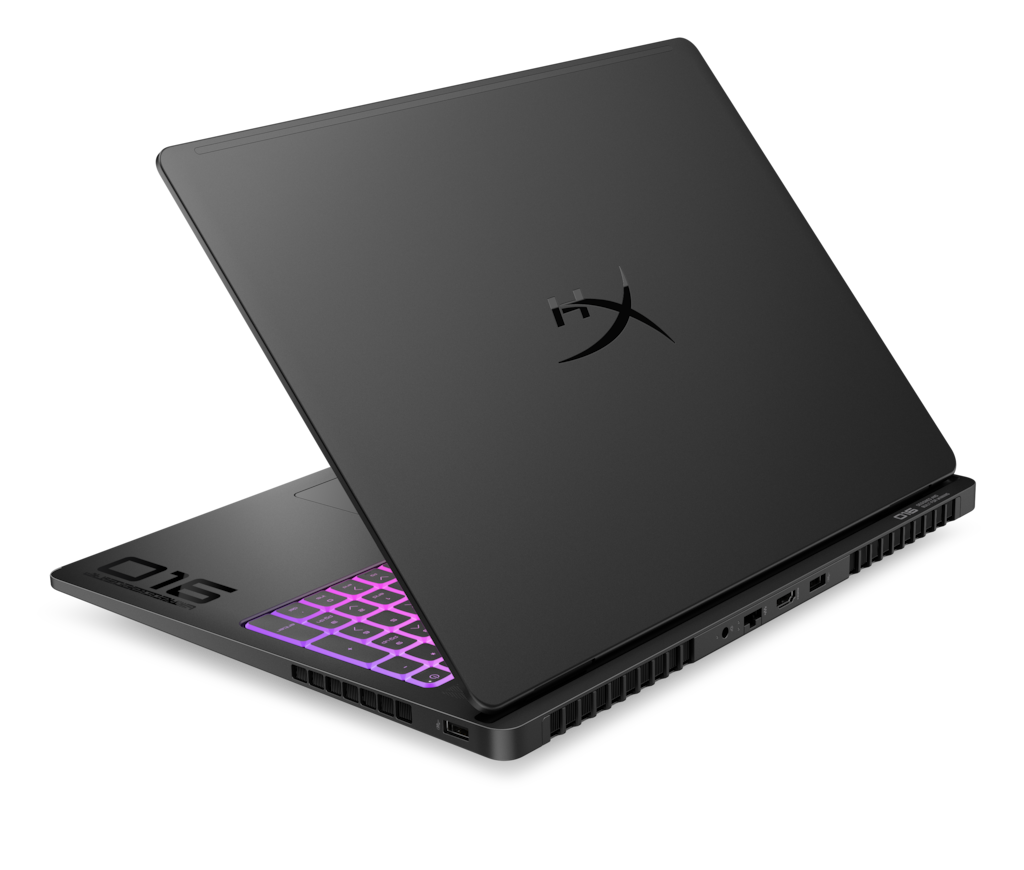
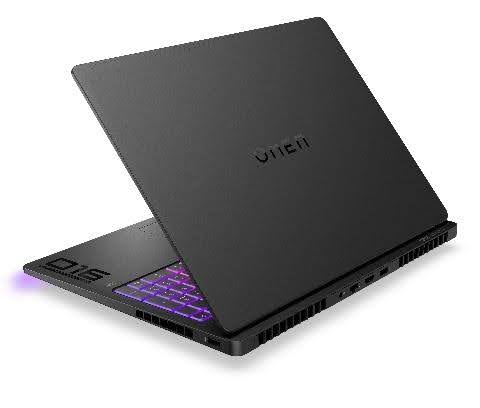
OMEN is HP's gaming laptop range, and as of CES 2026 it is no longer sold under its own name alone. HP announced that HyperX and OMEN are coming together under one master gaming brand, HyperX, with hardware carrying the combined HyperX OMEN name. The first machines announced that way, including the HyperX OMEN MAX 16, were said to be arriving on HP.com in spring 2026. The OMEN name itself was kept rather than retired.
The range is a ladder rather than a single machine. At the top sits the MAX 16, HP's most powerful laptop and the one built for a desk rather than a rucksack. Below it the Transcend models trade some sustained power for a thinner aluminium chassis and a weight a person will actually carry. Under all of it, HP still sells Victus as the cheaper gaming line, which is where the price-led shopper usually ends up.
Key specifications
Software
| Bundled software | OMEN Gaming Hub, including OMEN AI and the Light Studio lighting editor |
|---|
Brand
| Brand name | Sold as HyperX OMEN following HP's CES 2026 announcement uniting HyperX and OMEN |
|---|
What separates an OMEN from the rest of HP's laptops
Cooling is the honest answer. HP puts more engineering into moving heat out of these machines than into anything else that distinguishes them, because a gaming laptop is a thermal problem wearing a keyboard.
On the MAX 16 that means OMEN Tempest Cooling PRO, which widens the gaps around the fans and between the motherboard and the keyboard to move more air, and OMEN Cryo Compound, a thermal interface material HP describes as gallium coated in silicone. The point of the coating is to keep the heat transfer of liquid metal while cutting the risk of it leaking somewhere it should not be. There is also a Fan Cleaner feature, developed with Intel, that reverses the fans between sessions to blow accumulated dust back out.
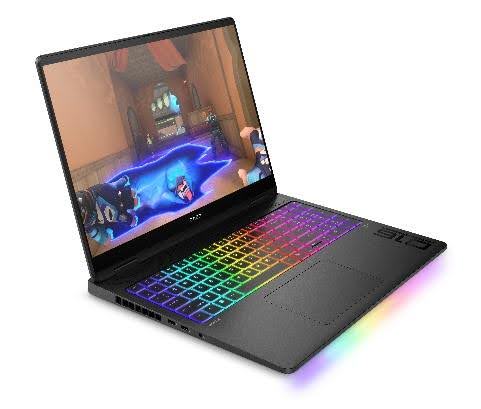
The second thing is software. Every machine in the range ships with OMEN Gaming Hub, which carries performance controls, the Light Studio lighting editor and a launcher, and can pair up to three HyperX peripherals at once. OMEN AI sits inside it and sets per-game graphics options in one click rather than making the user work through sliders.
Where each model sits in the range
The MAX 16 is the configuration ceiling: up to an Intel Core Ultra 9 275HX with an RTX 5090 and 24 GB of GDDR7, up to 64 GB of DDR5, two upgradeable storage slots, a 16 inch 2560 by 1600 OLED panel at 240 Hz, and an Unleashed mode that allows manual overclocking without going into the BIOS. HP quotes it at 5.92 lb in an aluminium magnesium alloy body.
The Transcend 16 is the same idea at 4.2 lb and 0.78 inches thick in an aluminium chassis, with fewer and lower graphics options. HP positions it for the competitive player who travels to events, and the MAX for the player whose machine stays where it is.
That split is the useful thing to know before shopping. Both are marketed to gamers, but they are answers to different questions, and the specification sheets overlap enough to hide it.
What reviewers found
Notebookcheck rated the OMEN Max 16 at 82 percent, praising the OLED panel, the upgradeable internals and the keyboard, but finding the CPU running well over 90 C under load and throttling as a result, leaving it around 10 percent behind the same processor in Lenovo's Legion Pro 7i. It weighed 2.8 kg on their scales.
Windows Central reached a friendlier verdict on thermals, measuring 99.4 percent framerate stability across an extended run and crediting the redesigned vapour chamber, while calling the fans loud and flagging heavy throttling once the charger is unplugged, particularly on the GPU. They tested a base configuration at 2,099.99 US dollars and a recommended one at 3,339.99.
Read together, the picture is consistent: sustained graphics performance holds up well, CPU headroom is the constraint, the machine is heavy, and it is not quiet. None of that is unusual in this class, but it is worth knowing before the box is opened.
How it compares with the other gaming laptop ranges
The direct rivals are Lenovo Legion, Asus ROG, MSI, Alienware and Razer Blade. Legion is the one OMEN is measured against most often and currently wins on CPU sustained performance in the comparisons above. Razer sells a thinner and better built machine for more money. Asus splits its range the same way OMEN does, with Strix at the powerful end and Zephyrus at the portable one.
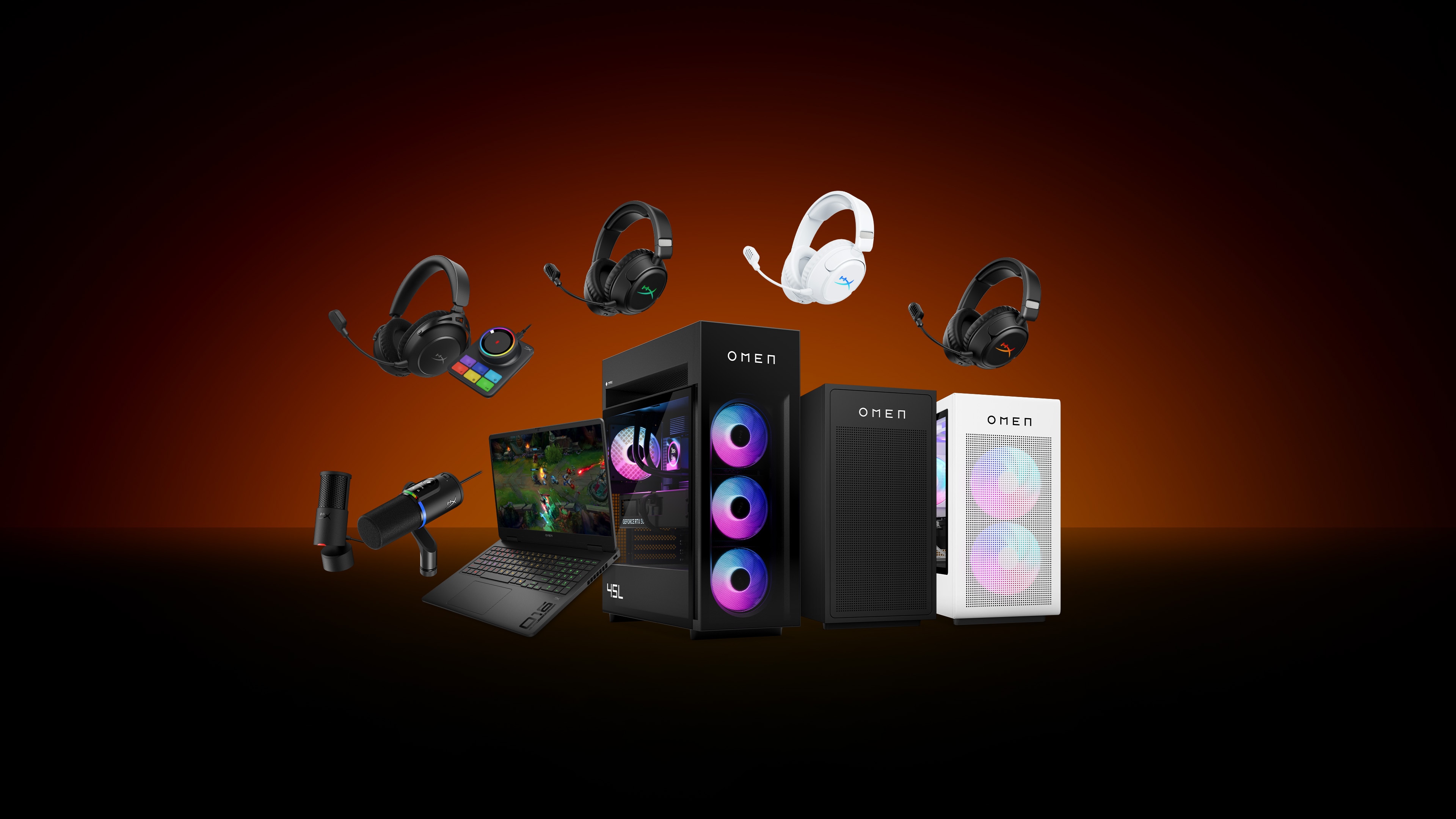
OMEN's argument is the cooling engineering and the OLED panels, plus a software stack that now reaches across HyperX peripherals as well as the laptop. Its weak points are weight, fan noise, and performance away from the wall.
Who should buy something else
Anyone who plays mostly unplugged should look elsewhere, or should accept that this is a machine to use at a desk. Both reviews above found substantial throttling on battery, which is common in the class but pronounced here.
Anyone who wants a quiet room should also look elsewhere. A thin and light machine with a lower power graphics option, such as the Transcend tier or an Asus Zephyrus, will be less audible than the MAX under load.
Buyers led by price should look at HP Victus rather than stretching to the bottom of the OMEN range. Victus exists precisely for that budget, and a well configured Victus beats a poorly configured OMEN.
Creative professionals should be careful. The OLED panels are excellent and the hardware is fast, but the noise, the weight and the battery behaviour make these poor machines for editing on the move. A mobile workstation or a MacBook Pro is the better tool if gaming is a secondary use rather than the reason for the purchase.
Reviews
No reviews yet
Nobody has reviewed HyperX OMEN laptops here yet.