

About MacBook Neo
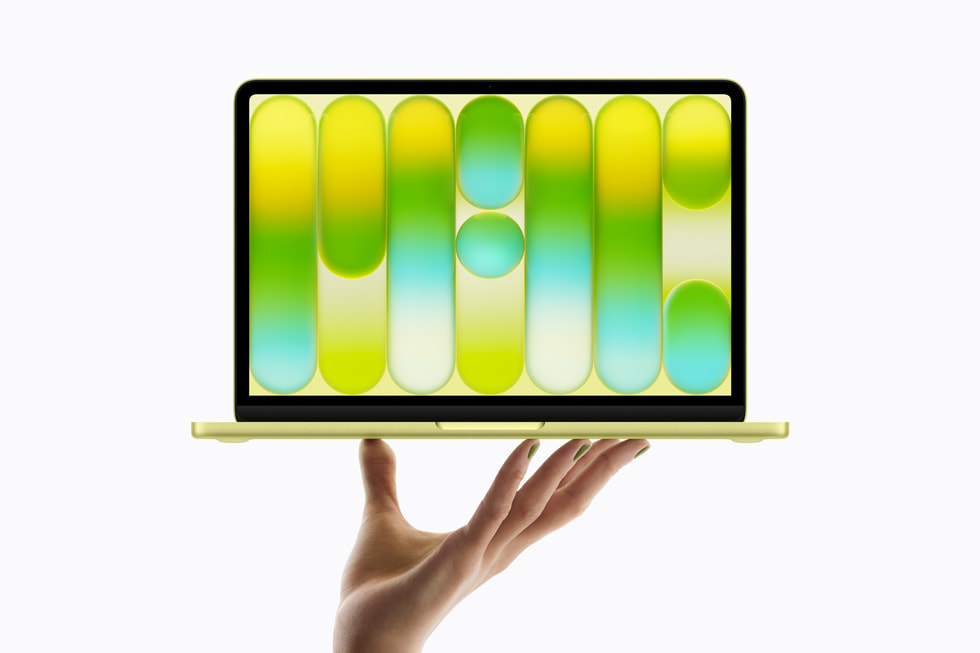
MacBook Neo is the cheapest laptop Apple has ever sold, and the first Mac to run on a chip from the iPhone family rather than the M series. Apple announced it on 4 March 2026 and it is aimed at the buyer the Mac range has never really had, the person who wants a Mac and has been priced out of one.
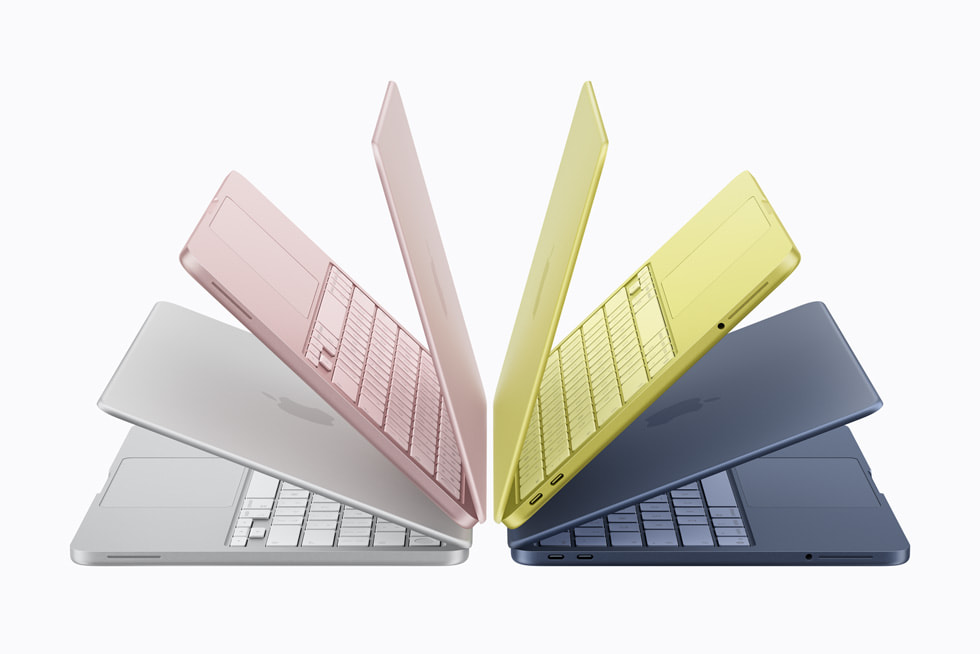
It is a 13 inch laptop in four colours, with two ports and a fixed amount of memory. There is no configuration ladder to climb here beyond the storage, which is the point. Where the rest of the Mac line asks you to work out which chip and how much memory, the Neo asks you to pick a colour and a storage size and get on with it.
Key specifications
Chip
| Processor | A18 Pro |
|---|
Display
| Screen | 13 inch Liquid Retina, 500 nits, one billion colours |
|---|
Memory
| Unified memory | 8GB, fixed at manufacture and not upgradable |
|---|
Ports
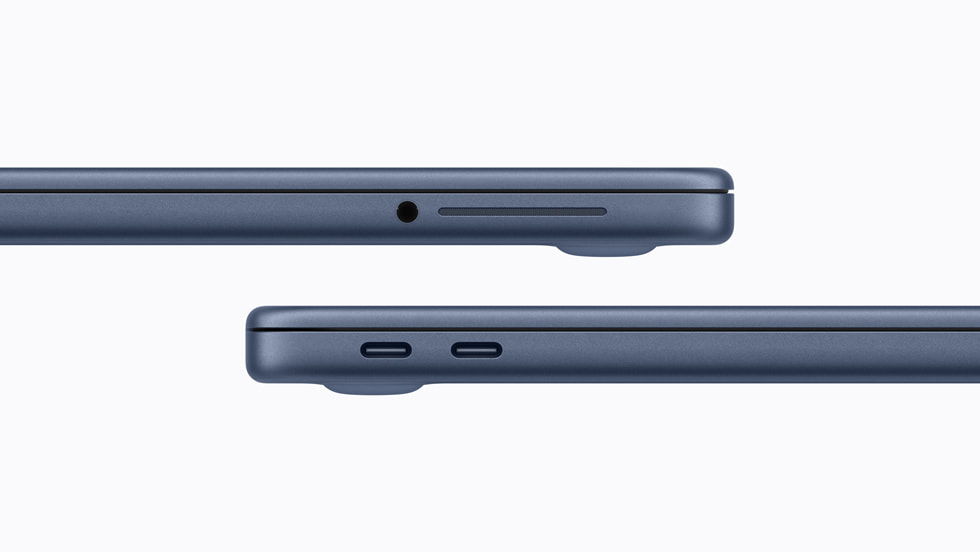
| Connections | USB 3 (USB-C), USB 2 (USB-C), 3.5 mm headphone jack |
|---|
Battery
| Battery life | Up to 16 hours on a single charge |
|---|
Finishes
| Colours | Silver, Blush, Citrus, Indigo |
|---|
Where the MacBook Neo sits in the Mac range
It sits below everything. The MacBook Air has been the entry point to the Mac for years, and the Neo undercuts it by a wide margin. Macworld puts the Neo at 599 US dollars to start, 499 for education buyers, against 1,099 for the MacBook Air with an M5 chip. That 500 dollar gap is the whole reason the Neo exists.
Above the Air sit the MacBook Pro models, which are a different class of machine again. Nothing in the Neo is trying to reach them. Read the range from the bottom instead: the Neo is the machine for the work most people actually do on a laptop, and the Air is the first step up for anyone whose work starts to push back.
What the A18 Pro chip changes
The Neo runs an A18 Pro, the chip family Apple previously kept for iPhone and iPad. Macworld reports it as a 6 core CPU with a 5 core GPU, which is a smaller part than any M series chip in a Mac.
That matters less than the core count suggests. Apple's own comparisons are against Windows laptops rather than against other Macs, which tells you where the machine is aimed. For browsing, mail, documents, video calls and streaming, an A18 Pro is not the thing that will slow the machine down. For sustained work that loads every core for minutes at a time, it plainly is, and the machine is not sold for that.
The more consequential number is the memory. Apple ships the Neo with 8GB of unified memory, it is not upgradable, and there is no larger option. Anyone who habitually keeps thirty browser tabs and a photo editor open at the same time should read that figure carefully before buying.
What Apple left out to reach the price
The omissions are real and they are worth knowing before ordering rather than after. Macworld lists them: neither USB-C port supports Thunderbolt, and one of the two is USB 2 rather than USB 3, so external drive speeds and display options are limited. The display does not support True Tone or the P3 colour range, which is why colour critical work is not on the list of things to do with this machine. The camera is 1080p rather than the higher resolution one in the rest of the range, and there is no fast charging.
What Apple kept is the part that matters day to day. Apple states a 13 inch Liquid Retina display at 500 nits with support for one billion colours, and up to 16 hours of battery life. A laptop that is bright enough to use near a window and lasts a working day is doing the job most buyers need done.
MacBook Neo or MacBook Air?
Buy the Neo if the honest description of your work is a web browser, a word processor, a spreadsheet, video calls and media. That is most people, and the Neo will not feel slow doing it.
Buy the Air if any of three things are true. If you edit photos or video seriously, the Air's better display and larger memory are not luxuries. If you keep many applications open at once, 8GB will be the limit you meet first and you cannot add to it later. If you connect external displays or fast storage, the Air's Thunderbolt ports do things the Neo's USB-C ports cannot.
The 500 dollar gap is large enough that the question deserves a straight answer rather than a hedge. If you are unsure, the deciding test is memory: 8GB is either enough for how you work or it is not, and no discount fixes it.
Who should buy something else
Anyone doing colour critical creative work should not buy this laptop. The display lacks P3 coverage, and a screen that cannot show the colour range you are grading in is a problem no amount of skill works around.
Anyone who runs virtual machines, compiles large projects, or works with big datasets should skip it. The fixed 8GB of memory is the hard stop, and it arrives sooner than the processor does.
Anyone with a docking station, a Thunderbolt drive array or a multiple monitor desk setup should look at the Air or the Pro. The Neo's two USB-C ports, one of them USB 2, are not built for that kind of desk.
Anyone who mainly wants a large screen at home rather than a portable machine is better served by a Mac mini and a monitor, which will cost less than an Air and outperform the Neo. The Neo's argument is portability and price together, and if portability is not part of it, the argument is weaker.
Where to buy
Links go to the seller, not through us. We take no commission and these are not affiliate links, so the order below says nothing about who pays what. Prices and stock change constantly, so check on the day.
Reviews
No reviews yet
Nobody has reviewed MacBook Neo here yet.