About Samsung Music Studio
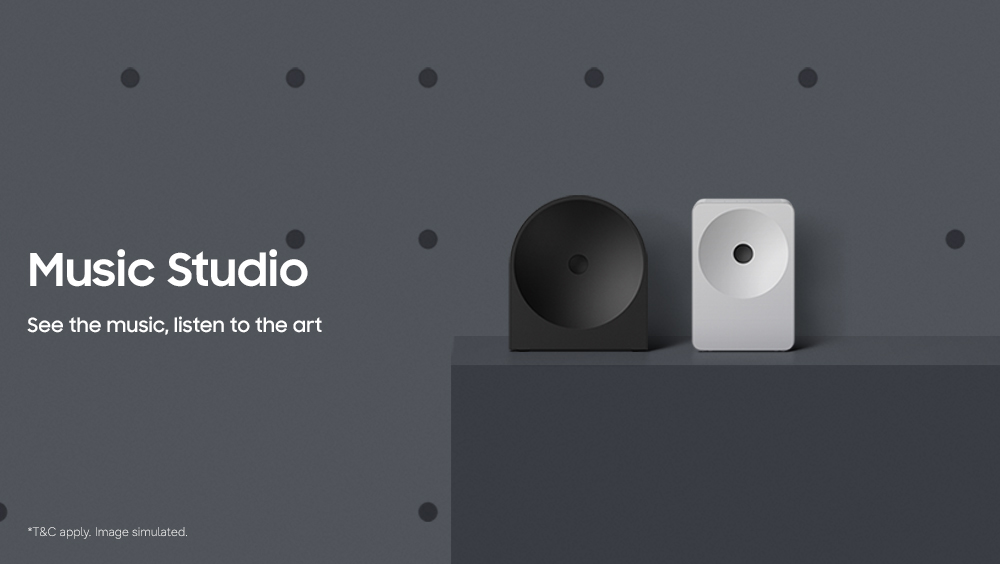
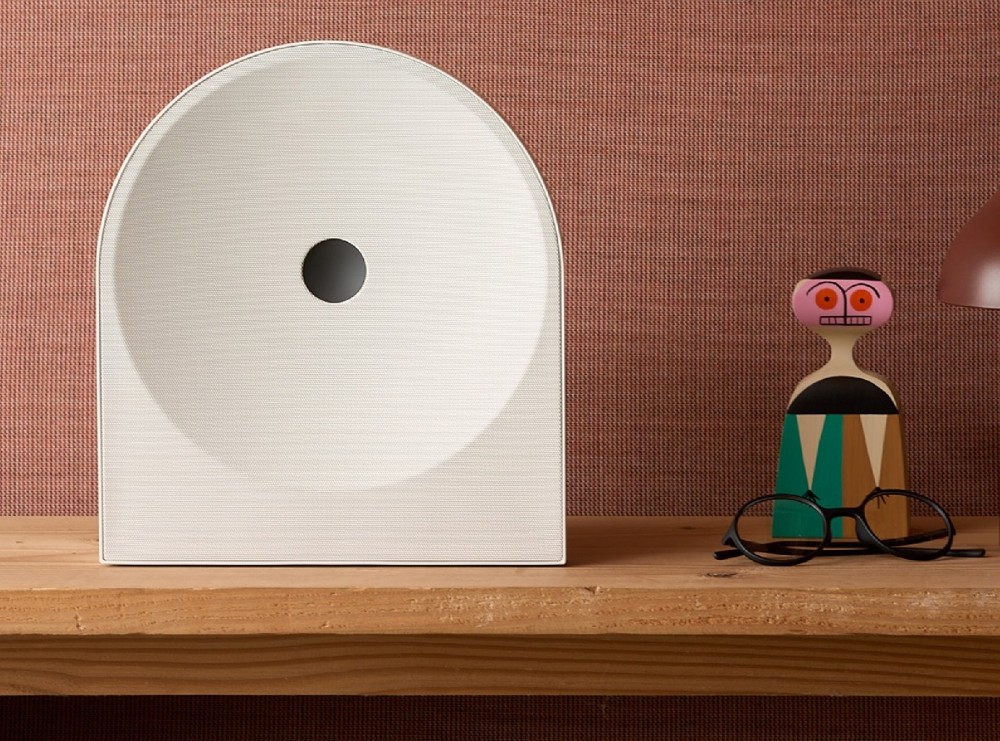
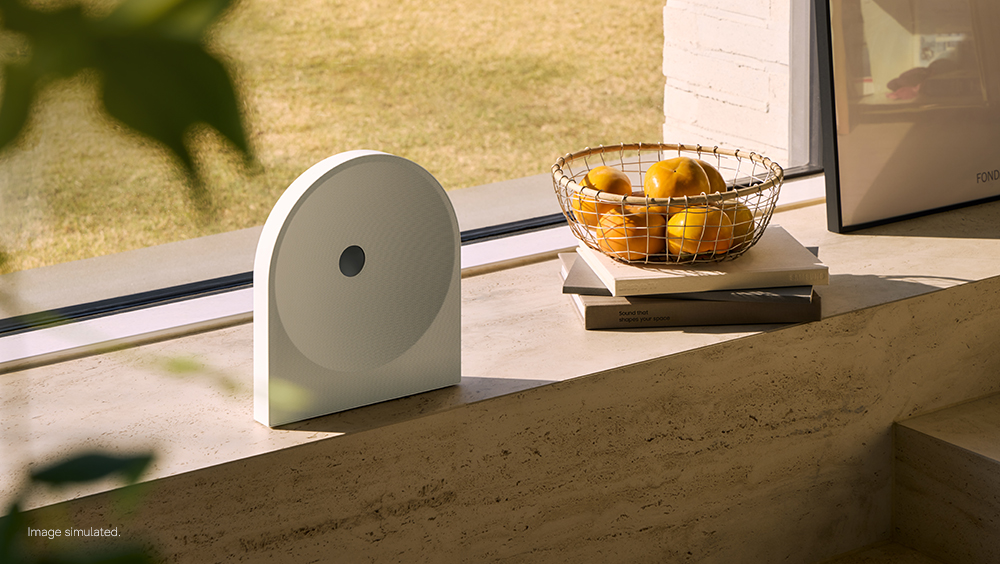
Samsung Music Studio is the company's line of standalone wireless speakers, introduced as part of its 2026 home audio lineup. Two models make up the line: the Music Studio 7 and the Music Studio 5. Both are mains powered cabinets that stream over Wi-Fi or Bluetooth, both carry the sculptural cabinet Samsung calls Dot Design and credits to the French designer Erwan Bouroullec, and both are built to work either on their own or alongside a Samsung television. The line is worth noting because it is Samsung moving into a category it had largely left alone. For years the company's home audio effort ran through soundbars, which sit under a television and are bought to fix television sound. Music Studio is sold first as a music speaker that also handles television audio, which puts it against Sonos rather than against Samsung's own Q series bars.
Key specifications
Connectivity
| Wireless | Wi-Fi and Bluetooth |
|---|---|
| Multiroom | Up to 10 speakers in a whole home group |
| Samsung TV pairing | Q-Symphony, up to five sound devices |
Control
| Voice assistants | Alexa, Google Assistant and Bixby |
|---|---|
| Remote | No physical remote included |
Design
| Industrial design | Dot Design by Erwan Bouroullec |
|---|
Audio processing
| Shared across the line | Dynamic Bass Control, SpaceFit Sound Pro, Active Voice Amplifier Pro |
|---|
How the Music Studio 7 and Music Studio 5 differ
The two models are not the same speaker at two sizes. The Music Studio 7, model LS70H, runs a 3.1.1 channel arrangement with left, centre and right drivers, a top firing driver for height effects, and a built in subwoofer. Samsung lists it at 499.99 US dollars in black. The Music Studio 5, model LS50H, is a two channel design built around a four inch woofer and a pair of tweeters with a waveguide, and lists at 299.99 US dollars in black or white.
The gap that matters most is not the driver count. The Music Studio 7 carries HDMI eARC and an optical input. The Music Studio 5 does not. A buyer who wants one of these to stand in for a soundbar needs the 7, because the 5 can only reach a television wirelessly and only through a compatible Samsung set. A buyer who wants music in a second room can take the 5 and lose very little.
What the sound processing actually changes
Samsung fits both models with a set of automatic adjustments rather than a graphic equaliser. Dynamic Bass Control watches the low end and pulls back before it distorts. SpaceFit Sound Pro measures the room the speaker is standing in and corrects for it, which matters more than the specification sheet suggests when a speaker ends up in a corner or against glass. Active Voice Amplifier Pro lifts dialogue when the room gets noisy.
The Music Studio 7 adds Pattern Control, which Samsung describes as steering each channel so the drivers do not overlap and muddy each other. The 7 also handles high resolution streams up to 24 bit and 96 kHz. None of this is adjustable in the way a hi-fi buyer might expect, and that is the trade the line asks for.
What Q-Symphony and multiroom playback do here
Q-Symphony is Samsung's term for letting a television's own speakers play alongside a Samsung audio device rather than being muted by it. On the 2026 lineup Samsung says the feature spans up to five sound devices and adjusts for where each one sits in the room. Both Music Studio models take part.
Separately, the speakers join a whole home group that Samsung sizes at up to ten units. Two of the same model can be paired as a stereo set, and reviewers who tried a pair of the Music Studio 7 that way reported the result beating premium soundbars for television use. Control runs through the SmartThings app and by voice through Alexa, Google Assistant or Bixby. Neither model ships with a physical remote, which is worth knowing before the box arrives.
What to weigh against the nearest rival
The obvious comparison is the Sonos Era 300, which sits within twenty dollars of the Music Studio 7. Reviewers put the two close on standalone music performance and separate them on connections: the Sonos has no wired television input, while the Samsung has HDMI eARC. If the speaker will spend part of its life in front of a television, that single port decides it. If it will only ever play music, Sonos brings a longer record in multiroom software and a wider set of supported services.
Against Samsung's own range, the honest comparison is a Q series soundbar. A bar is still the cheaper way to make one television sound better. Music Studio earns its price only when the speaker also has to justify itself with the television switched off.
Who should buy something else
Anyone with a record player should look elsewhere, or budget for extra boxes. Neither model has an analogue input, a USB input or a phono stage, so a turntable needs a preamp and a converter before it can reach these speakers at all.
Anyone outside the Samsung television ecosystem loses part of what they are paying for. Q-Symphony, and on the Music Studio 5 any television path at all, depend on a compatible Samsung set. On a television from another maker the 5 is a Wi-Fi music speaker and nothing more.
Anyone furnishing a small room should measure first. The Music Studio 7 weighs over twelve pounds and stands more than ten inches tall, which is a substantial object on a shelf rather than a discreet one.
Anyone who only wants better television sound, with no interest in music, is better served by a soundbar at half the money.
Reviews
No reviews yet
Nobody has reviewed Samsung Music Studio here yet.