
About HP Indigo
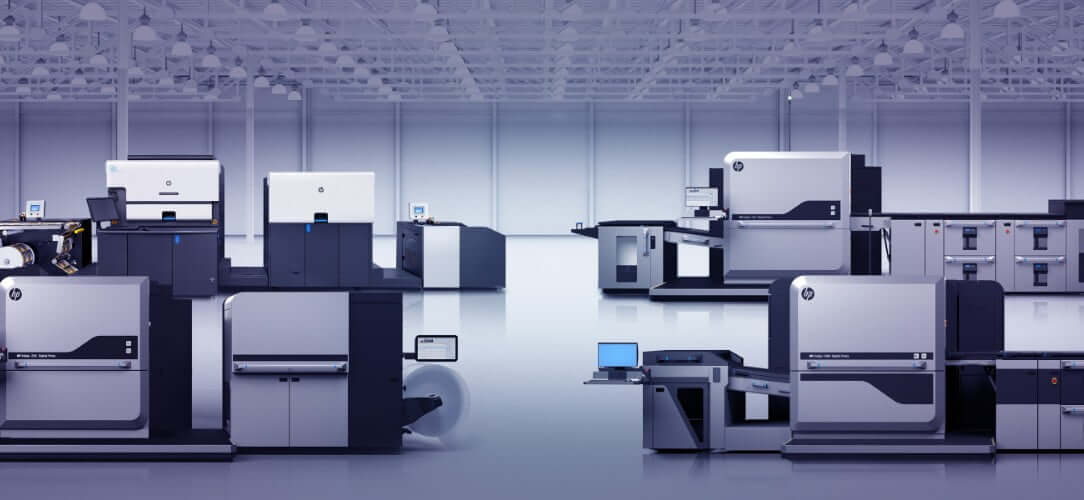
HP Indigo is HP's family of digital printing presses for commercial print, labels and packaging. It is not a large office printer and it is not an inkjet. Indigo presses use liquid electrophotography, in which charged pigment particles suspended in a carrier fluid are imaged onto a photo imaging plate, transferred to a heated blanket, and laid onto the substrate as a very thin film that sets on contact rather than needing to dry or cure.
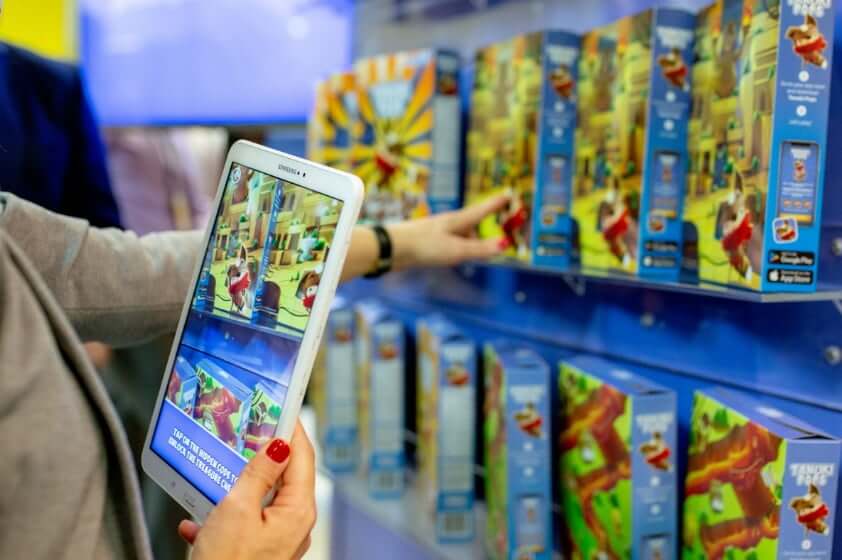
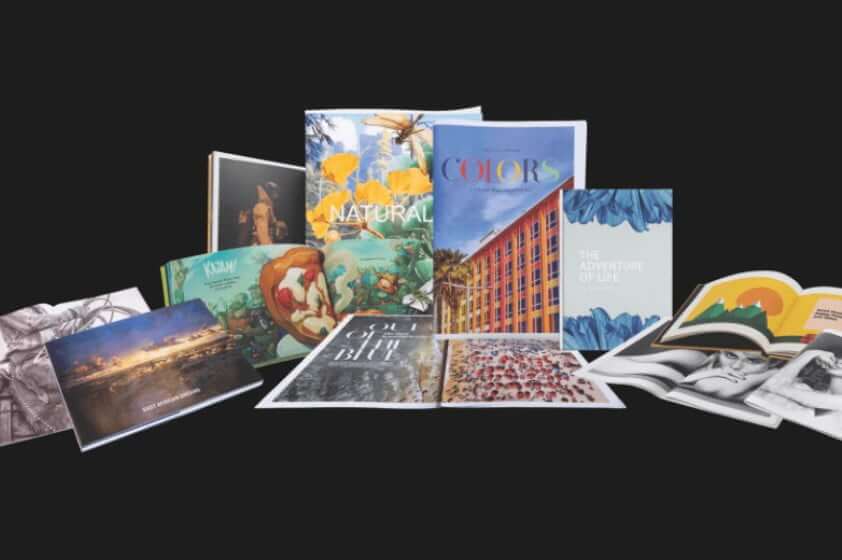
The practical consequence is that every sheet or every metre of web can carry different content at no extra cost, because there are no plates to change between jobs. That is what an Indigo is bought for: short runs, versioned work, regional and language variants, and personalised print that a conventional offset press cannot produce at a sensible price. The line spans sheetfed machines aimed at commercial printers and roll-fed narrow web machines aimed at label converters and flexible packaging, so there is no single format, speed or price that describes an Indigo.
Key specifications
Imaging
| Printing technology | Liquid electrophotography (LEP) |
|---|---|
| Ink system | HP ElectroInk, charged pigment particles in a carrier fluid, mixed off press |
Is ElectroInk really ink, or is it toner?
This is the question that decides whether the technology is right for a job, and HP's own material tends to talk around it. Trade analysts at WhatTheyThink have argued that ElectroInk is properly described as a liquid toner, and that HP's preference for the word ink is a positioning choice meant to place Indigo alongside offset lithography rather than alongside the dry toner presses it is technically related to.
Both descriptions point at something real. The imaging mechanism is electrophotographic, the same family as a laser printer, which is why an Indigo can change the image on every impression. The output behaves much more like offset than dry toner does, because the ink film is thin enough that the printed sheet does not have the raised, plasticky feel that gives dry toner away, and it sits on the substrate rather than fusing as a visible layer. If you are used to judging print by handling it, that difference is the one you will notice first.
What an Indigo does that offset and inkjet cannot
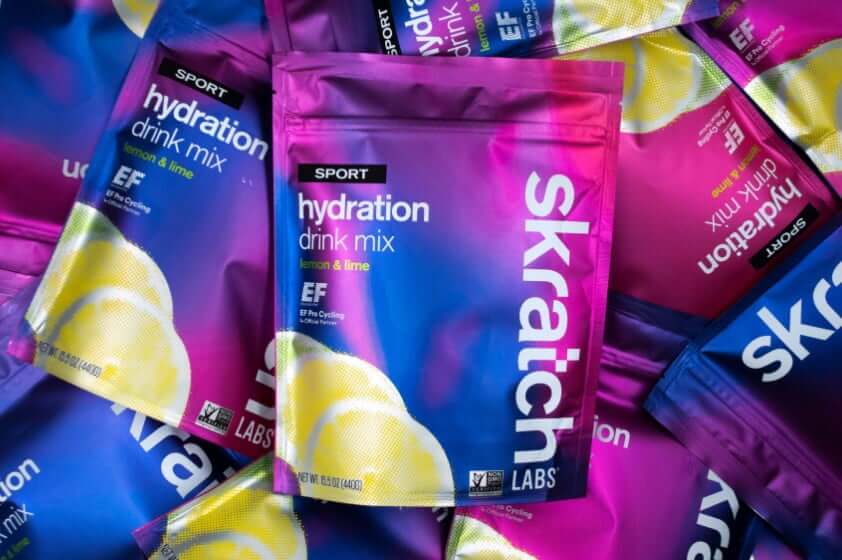
Substrate range is the strongest argument. ElectroInk transfers onto papers, synthetics, films, plastics and metallised stocks, which is why the technology took hold in labels and flexible packaging rather than staying in commercial print. HP publishes a long list of certified substrates covering all of those categories.
The second argument is colour. Because ElectroInks are mixed off press, an Indigo can hit a specified spot colour rather than approximating it from process inks, and the range extends past CMYK into white, silver, fluorescent and invisible inks. White is the one that matters commercially, since printing on clear film or metallised stock is not possible without it, and it is a job most digital presses simply cannot take.
The third is that none of this requires makeready. A run of one is priced the same per unit as the thousandth.
Where an Indigo stops making financial sense
Consumables are the constraint, and it is worth being blunt about it. Industry analysis puts offset ink at up to four times cheaper than the consumables for a digital press, and Indigo work also carries click charges. There is therefore a run length above which offset is simply cheaper, and every printer who owns both is doing that calculation on every job.
Against production inkjet the split is about coverage rather than length. Inkjet has the advantage on lightly covered pages, where it lays down little ink and runs very fast, which is why books, transactional print and direct mail moved that way. Electrophotography holds up better as coverage rises, so heavily inked commercial work and packaging stay with Indigo. Inkjet presses now match it on quality, so quality alone is no longer the reason to choose one.
Which Indigo family fits which work
The portfolio divides on how paper is fed. Sheetfed presses serve commercial printers doing brochures, direct mail, photo books and general jobbing work, and are sized by format and sheets per hour. Roll-fed narrow web presses serve label converters, and wider roll-fed machines serve flexible packaging and folding carton.
Model names have turned over repeatedly, and the numbers do not form a single ladder across the two halves of the range. Treat the family and the feed type as the durable part of the decision and check the current model list with HP, because a press specified from a three year old comparison will usually have been superseded. HP also sells certified pre-owned presses, which is the realistic entry point for a converter testing whether digital volume exists in their customer base before committing to a new machine.
Who should buy something else
A printer whose work is long static runs should not buy an Indigo. If the same job repeats at high volume without version changes, offset will beat it on cost every time and the digital press will sit idle earning depreciation.
A book printer or a transactional and direct mail house should look at production inkjet instead, where low ink coverage and high web speeds are what the economics reward. A shop that only needs short run office documents and light marketing collateral should buy a production toner device, which costs a fraction as much and does that work perfectly well.
Signage, banners, vehicle wraps and other wide format work belong on HP Latex or a DesignJet, not here. And any business that cannot keep a press loaded should consider buying digital print from a trade supplier rather than owning the machine, because the case for an Indigo rests entirely on running enough varied work to cover a large fixed cost.
Reviews
No reviews yet
Nobody has reviewed HP Indigo here yet.