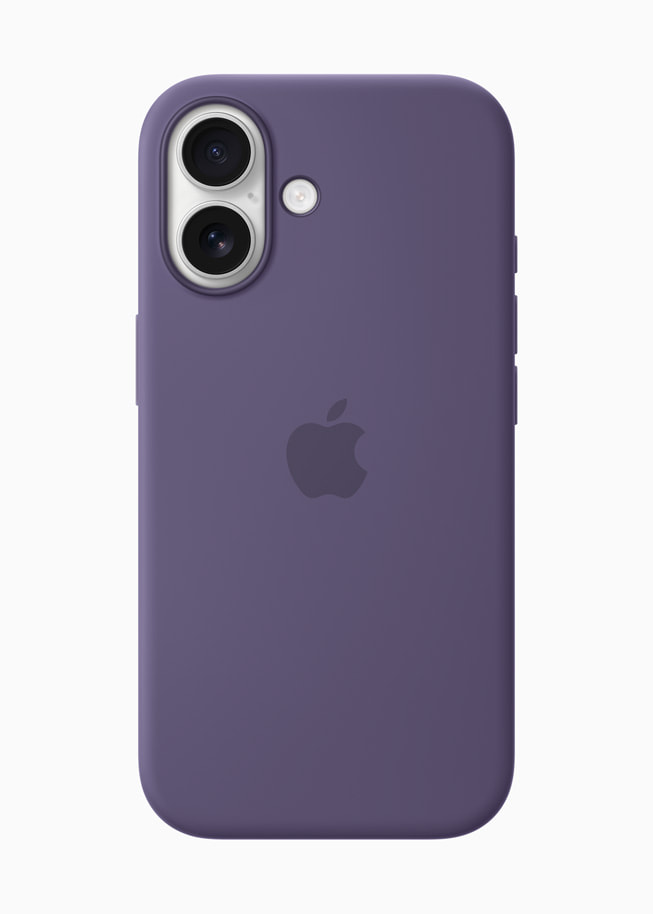
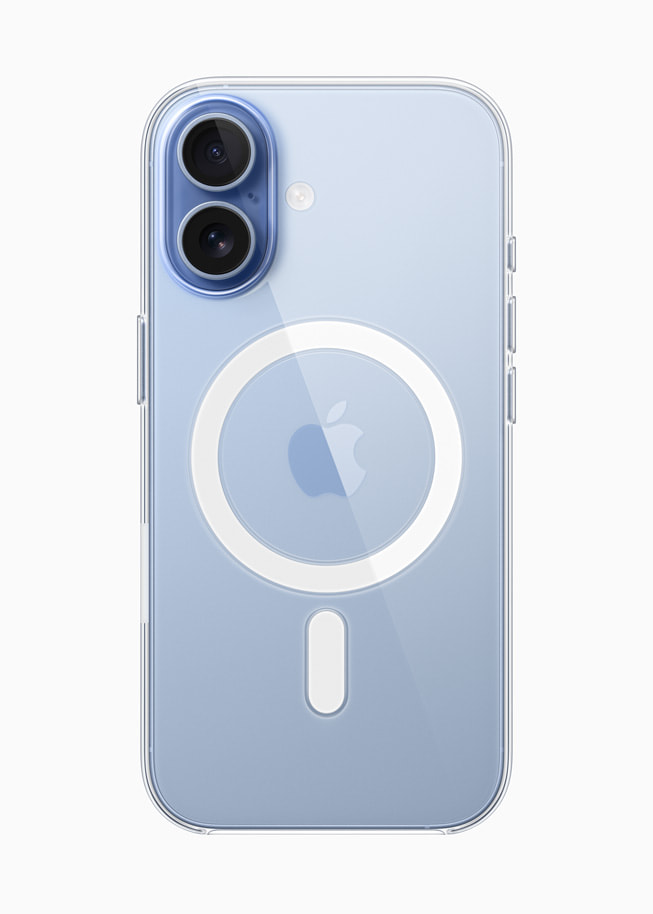
About iPhone (standard model)
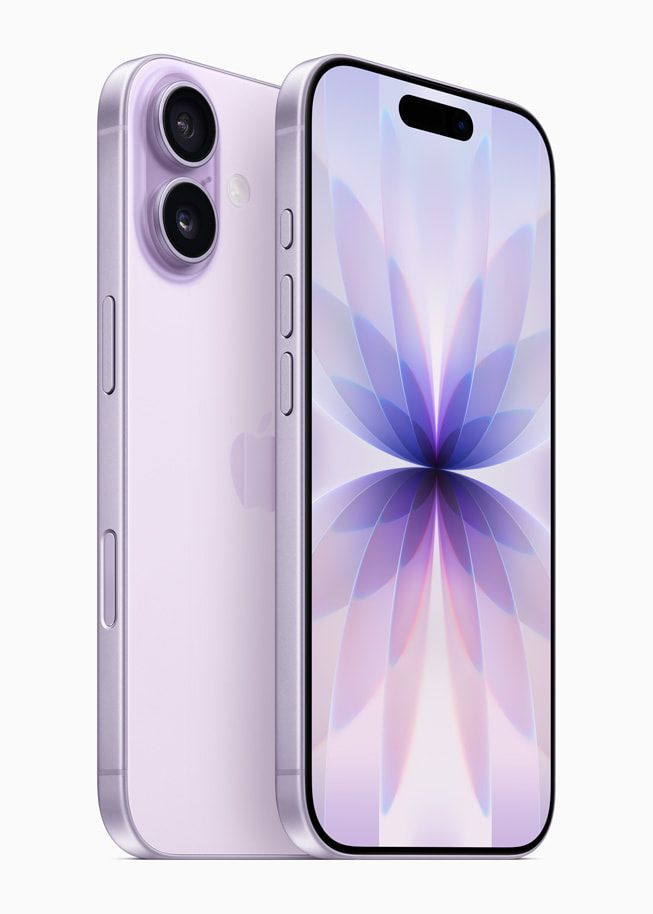
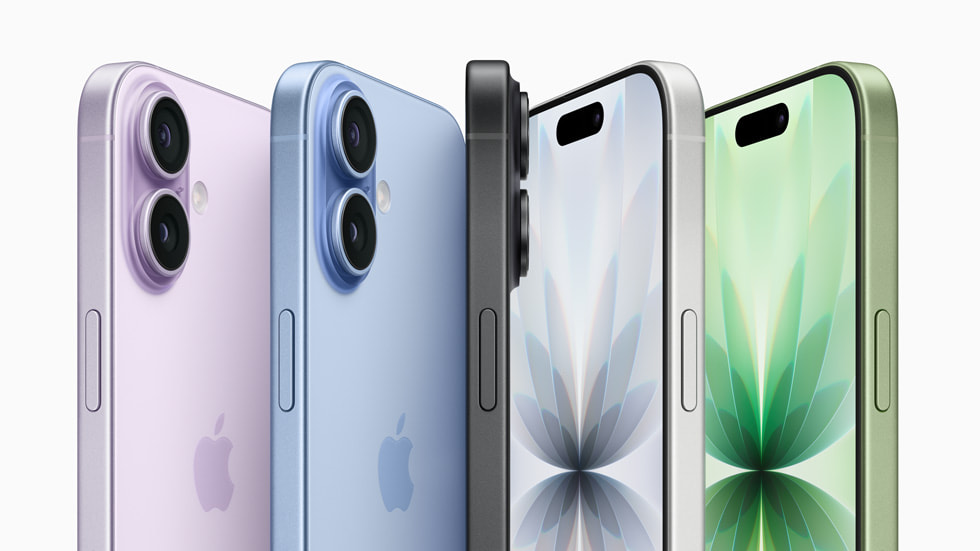
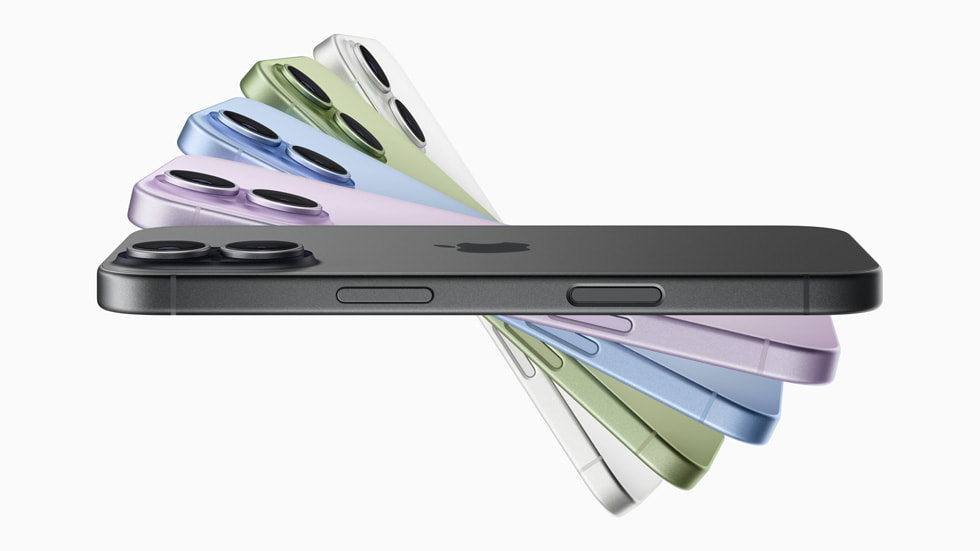
The standard iPhone is the model that carries the plain number and nothing after it, and it is the one Apple sells in the largest quantity. It sits above the e model, which Apple positions on value, and below the Pro, which adds a telephoto camera and the faster Pro chip. Because this entry records a line rather than a single year, there is no one screen size, price or camera count that describes every standard iPhone ever sold. What has stayed constant is the job it does: the current year design, the current year main chip and a camera system good enough that most people will never wish for more, without the Pro premium. For most of the past decade the standard model trailed the Pro on display and camera hardware by a generation or two. The 2025 generation closed more of that gap than any before it.
Where the standard iPhone sits in Apple's range
Apple's iPhone page currently lists five models side by side: iPhone 17 Pro, iPhone Air, iPhone 17, iPhone 17e and the previous year's iPhone 16, which Apple keeps on sale at a lower price. The standard model is the middle of that set, and in practice its closest competitor is not a rival brand but the two phones either side of it in Apple's own store.
Apple's own framing is short. The Pro is sold on performance and battery life, the Air on being the thinnest iPhone the company has made, the e model on value, and the standard iPhone on being more durable and more pleasant to use than the one before it. That last line is deliberately vague, and it is vague because the standard model has no single headline feature. It is the phone that does everything adequately or better, which is harder to advertise than a telephoto lens.
What the current generation actually changed
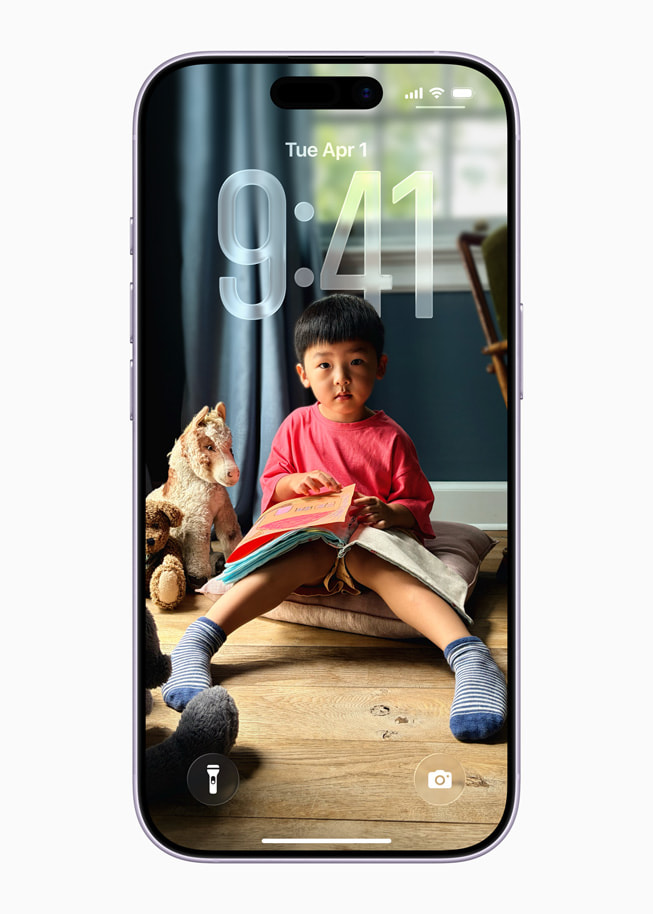
The 2025 standard iPhone is the clearest case of Apple moving Pro hardware down the range. Apple's specification page gives it a 6.3 inch OLED display at 2622 by 1206 pixels, with ProMotion and adaptive refresh rates up to 120Hz. Variable refresh and the always on display had been Pro exclusives for several years. It runs the A19 chip, a 6 core CPU with two performance and four efficiency cores alongside a 5 core GPU. The rear system is a 48MP dual fusion pair, main and ultra wide, with an 18MP Center Stage front camera. Storage starts at 256GB with a 512GB step above it, and Apple claims up to 30 hours of video playback and 50 percent charge in 20 minutes on a 40W adapter.
TechRadar's assessment is that the base model inherited the previous Pro's 48MP ultra wide camera and the variable refresh panel Pro models had monopolised for years, and that what still separates the two is the third camera and the Pro chip. That is a much shorter list of differences than the standard iPhone has carried at any point since the Pro tier was introduced.
Who the standard iPhone is for
This is the model to buy if you want a phone that will be supported with software updates for years, holds resale value better than almost anything else on the market, and needs no research to choose. Most buyers of the standard iPhone are replacing a standard iPhone from three or four years earlier, and at that interval the jump is large regardless of which year you land on.
It suits people who photograph a lot but rarely zoom, who watch video and play games on the phone, and who care more about lasting a full day than about winning a benchmark. What Hi-Fi reached much the same conclusion, calling it the phone for someone who wants flagship audiovisual quality without the Pro price, scoring picture, sound and features full marks while noting that Apple's AI features still feel underdeveloped.
How to weigh it against the Pro and the Air
Against the Pro, the question is whether you use a long lens. The Pro tier adds a dedicated telephoto camera and the Pro variant of the chip. If you photograph sport, wildlife, stage performances or children across a room, that lens is the reason to spend more, and cropping on the standard model does not replace it. If your photographs are mostly people and places at normal distance, the Pro is spending money on hardware you will not reach for.
Against the Air, the question is whether thinness is worth a trade. Apple sells the Air on being the thinnest iPhone ever made with Pro level silicon inside, and TechRadar frames it as Apple's answer to Samsung's thin flagship. A thinner body leaves less room for battery and camera hardware, so the Air is a preference rather than an upgrade. If you have never once thought your phone was too thick, the standard model is the better buy.
Price and storage
Launch pricing recorded by What Hi-Fi for the 2025 standard model was 799 US dollars or 799 pounds for 256GB, with the 512GB version at 999 US dollars or 999 pounds. GSMArena reported European pricing around 950 euros. Apple's own store lists the current standard model from 799 US dollars with carrier activation. Prices move with carrier deals, trade in credit and the age of the model, so treat those as a reference rather than what you will pay today. No iPhone has expandable storage, so the tier you choose is fixed for the life of the phone.
Who should buy something else
Buy the Pro instead if you need the telephoto camera, or if you run sustained heavy work such as long video recording sessions where the Pro chip and larger chassis matter.
Buy the e model or last year's standard iPhone if price is the deciding factor. Apple keeps the previous generation on sale for exactly this buyer, and What Hi-Fi explicitly flagged the cheaper model as the better call for budget conscious buyers. The older phone will still get software updates for years.
Buy the Air only if you have handled one and want that specific shape. It is a different phone, not a better one.
Skip the upgrade if your current iPhone is one or two years old and working. Year on year gains on this line are real but incremental, and the honest advice for most owners of a recent model is to wait a cycle.
Look outside Apple altogether if you want to sideload freely, change default system behaviour deeply, use a folding screen, or buy flagship hardware at a mid range price. Those are things Android handsets do and the iPhone does not, and no generation of the standard model is going to change it.
Where to buy
Links go to the seller, not through us. We take no commission and these are not affiliate links, so the order below says nothing about who pays what. Prices and stock change constantly, so check on the day.
Reviews
No reviews yet
Nobody has reviewed iPhone (standard model) here yet.