About iPhone Air
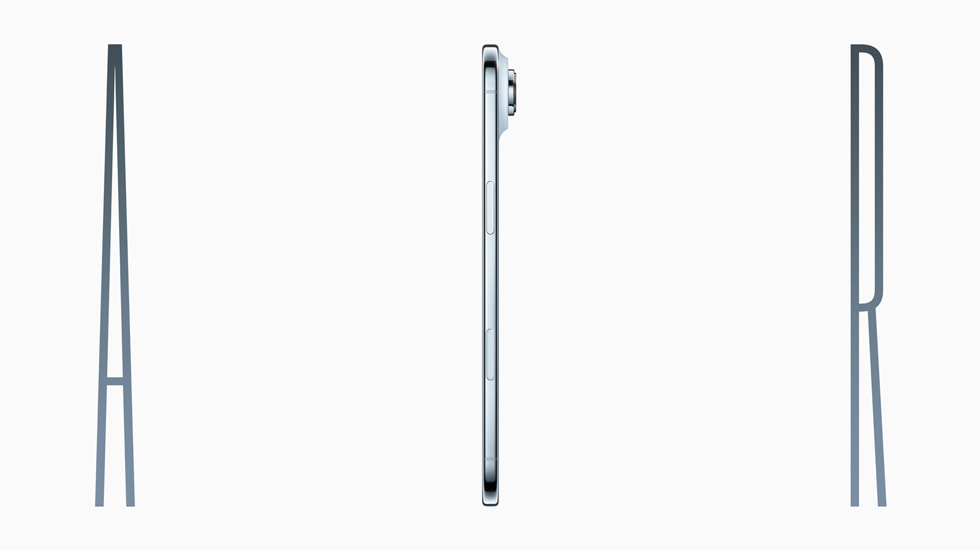
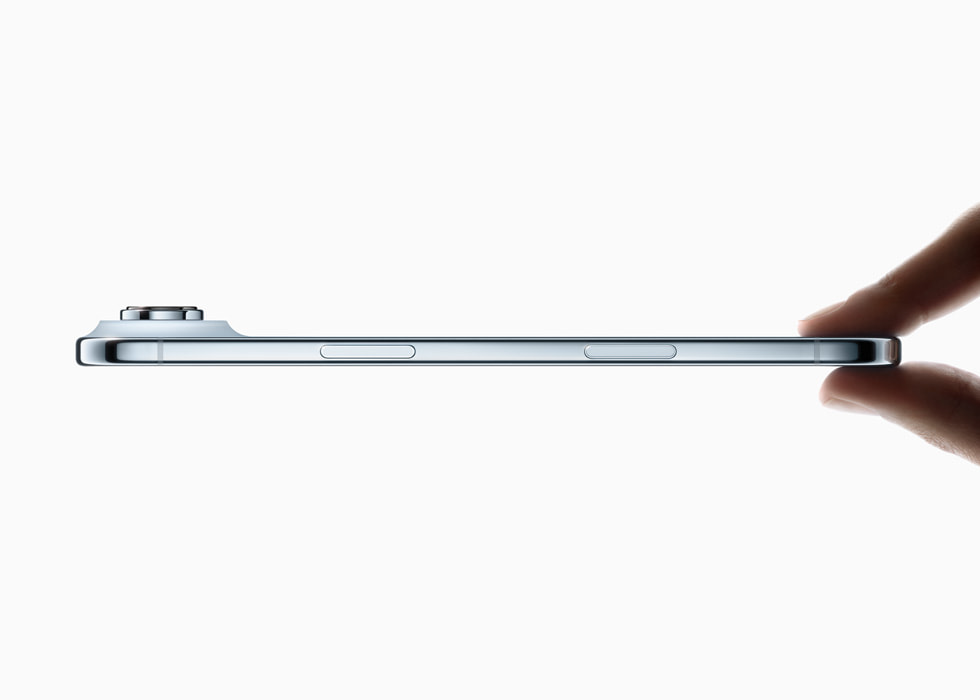
iPhone Air is the thin tier of Apple's phone range, positioned between the standard iPhone and the Pro models rather than above or below them. Apple states it measures 5.6 mm and weighs 165 grams, which makes it the thinnest iPhone the company has built, and the whole design brief follows from that number. The frame is Grade 5 titanium, Apple says built with 80 percent recycled titanium, with Ceramic Shield 2 on the front.
What it is not is a cheaper iPhone. It carries the A19 Pro chip, a 6.5-inch Super Retina XDR display with ProMotion up to 120Hz and 3000 nits peak brightness, and it sits above the standard iPhone on price. The trade is not power. The trade is a single rear camera, a single speaker and a smaller battery, all of which follow from the thickness. Whether that trade is worth making is the only question this page can usefully help with.
Key specifications
Body
| Thickness | 5.6 mm |
|---|---|
| Weight | 165 grams |
| Frame | Grade 5 titanium, built with 80 percent recycled titanium |
| Front cover | Ceramic Shield 2 |
Display
| Size and type | 6.5-inch Super Retina XDR |
|---|---|
| Refresh rate | ProMotion up to 120Hz |
| Peak brightness | 3000 nits |
Performance
| Chip | A19 Pro, 6-core CPU and 5-core GPU with Neural Accelerators |
|---|
Camera
| Rear camera | 48MP Fusion, single camera |
|---|---|
| Front camera | 18MP Center Stage |
Battery
| Video playback | Up to 27 hours |
|---|---|
| Fast charge | Up to 50 percent in 30 minutes |
Connectivity
| Cellular | 5G with a built-in eSIM |
|---|
Where does iPhone Air sit in the iPhone range?
The range now runs roughly four ways. The iPhone e models are the entry point. The standard iPhone is the volume seller. The Pro and Pro Max carry the full camera system and the largest batteries. iPhone Air sits alongside the Pro rather than beneath it, taking the Pro-class chip and display and spending the saved thickness instead of spending it on hardware.
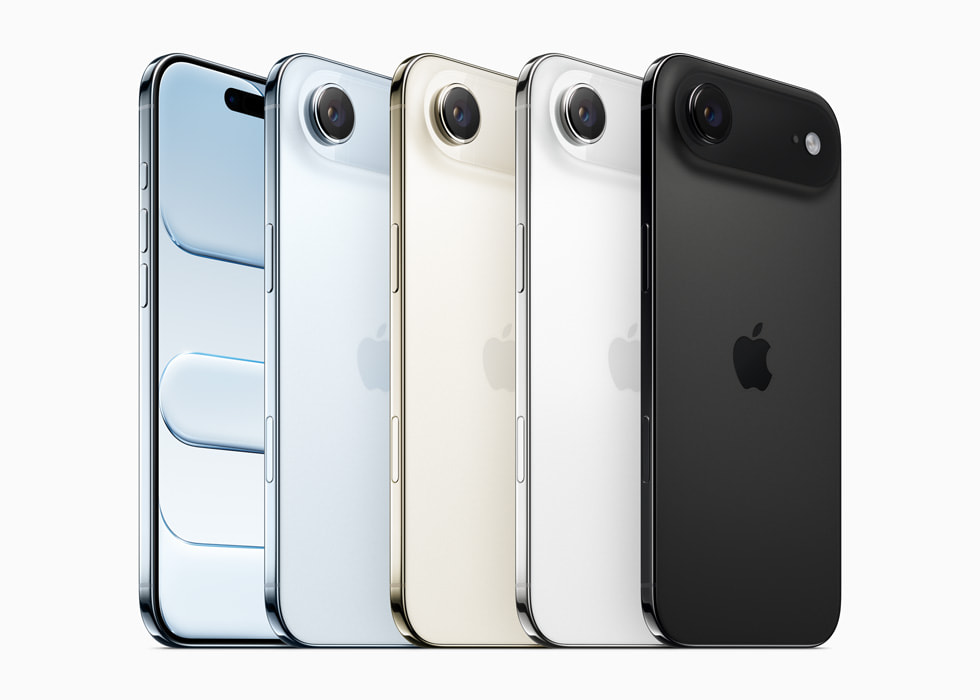
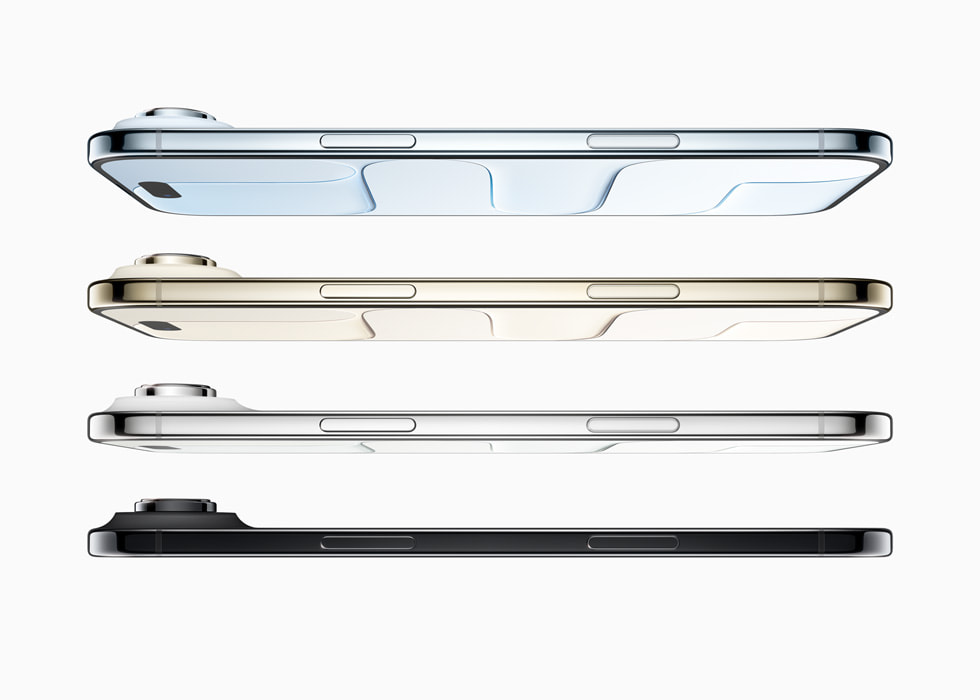
On Apple's own store the line is sold in 256GB, 512GB and 1TB, in Sky Blue, Light Gold, Cloud White and Space Black. Because it spans several configurations, there is no single price for the line: the entry configuration and the top one are meaningfully far apart, and the figure worth checking is the one for the storage tier you actually want.
The useful way to read the position is that Apple did not build a compromise phone at a lower price. It built a phone that costs near Pro money and spends it on a different thing.
What does Apple state about the hardware?
The measurements above come from Apple. Beyond those, Apple lists the A19 Pro chip with a 6-core CPU and a 5-core GPU with Neural Accelerators, a 48MP Fusion main camera, an 18MP Center Stage front camera, 5G with a built-in eSIM, and battery figures of up to 27 hours of video playback and up to 50 percent charge in 30 minutes.
Two of those numbers deserve reading carefully. Video playback is the kindest battery test there is, so 27 hours is not a claim about a heavy day. And a single 48MP main camera is a real camera, but it is one camera: there is no separate ultrawide and no separate telephoto behind it.
What did reviewers find in daily use?
The thinness holds up. TechRadar, revisiting the phone six months after launch, called it a marvel and described real pleasure in simply holding it, noting it is around 41 grams lighter than the Pro. That is the part no specification sheet conveys and the reason people keep buying it.
Battery is where independent testing and the marketing part company. Tom's Guide measured about 12 hours in its web browsing test, against nearly 18 hours for the iPhone 17 Pro Max. TechRadar's longer-term verdict was blunter: the reviewer charges it every night without exception, and rated its endurance behind the iPhone 17 Pro, the iPhone 17 and even the iPhone 17e.
The camera drew the same response from both. Tom's Guide records a single 48MP Fusion camera with 2x optical quality zoom, no telephoto and no ultrawide. TechRadar's complaint is sharper because it is about value: the same single camera appears on Apple's much cheaper base model, which is difficult to accept on a phone priced near the Pro.
Tom's Guide also found the single speaker loud enough but tinny at maximum volume, where other phones in the same generation use two.
iPhone Air or iPhone 17 Pro?
This is the comparison that decides most purchases, and the gap between them is smaller than the gap in what you get.
Buy the Air if you notice weight. People who carry a phone in a shirt pocket, run with it, or simply dislike the heft of modern flagships tend to describe the difference as transformative rather than marginal. You keep the Pro-class chip and the high refresh rate display while doing it.
Buy the Pro if you take photographs seriously or if you finish days away from a charger. Three cameras against one is not a specification argument, it is the difference between having an ultrawide and a telephoto and not having them. The larger battery is the other half of the same point.
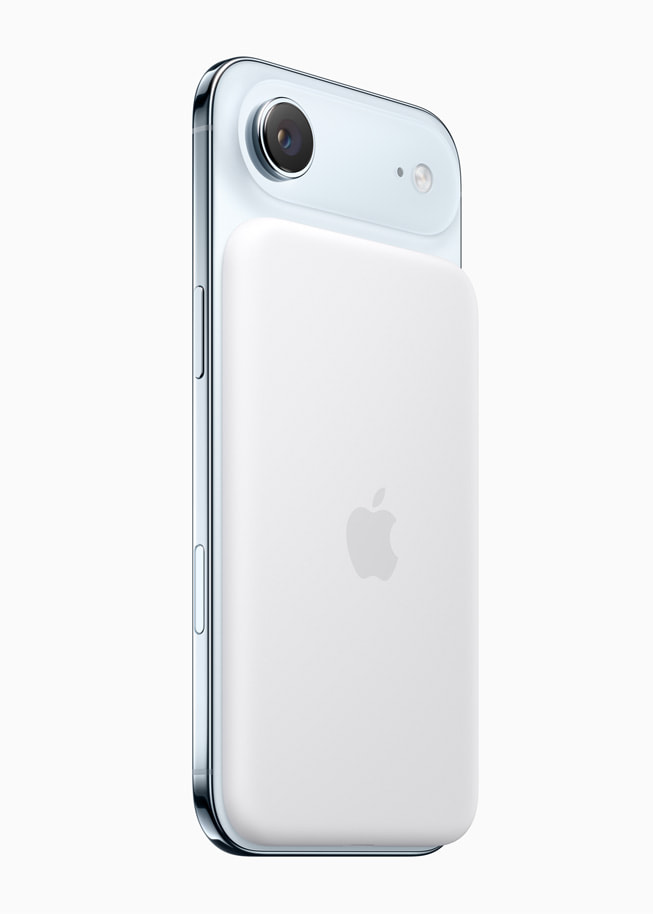
One practical middle path several reviewers landed on: an Air plus a MagSafe battery pack. Tom's Guide measured over 17 hours that way. It also, of course, undoes the thinness you paid for.
Who should buy something else?
Heavy users. If your phone is on screen for most of a working day, the Air will need a top-up before the day ends. A Pro Max, or a standard iPhone, will not.
Anyone who uses the ultrawide or telephoto. Photographers shooting wide scenery, people who shoot their children from the back of a hall, anyone who reaches for 5x. The Air has neither of those lenses and no software substitute for them.
Anyone shopping on value. The standard iPhone carries much the same single main camera at a much lower price. If you would not pay a premium specifically for the thinness, the standard model is the same phone in most respects that show up in daily use.
People who need a physical SIM. Apple lists a built-in eSIM, so anyone who swaps SIM cards while travelling should confirm the arrangement in their own country before committing.
Anyone who puts a thick case on a phone. Buying the thinnest phone made and then adding 4 mm of rubber to it is money spent on a number you will never feel again.
Where to buy
Links go to the seller, not through us. We take no commission and these are not affiliate links, so the order below says nothing about who pays what. Prices and stock change constantly, so check on the day.
Reviews
No reviews yet
Nobody has reviewed iPhone Air here yet.