

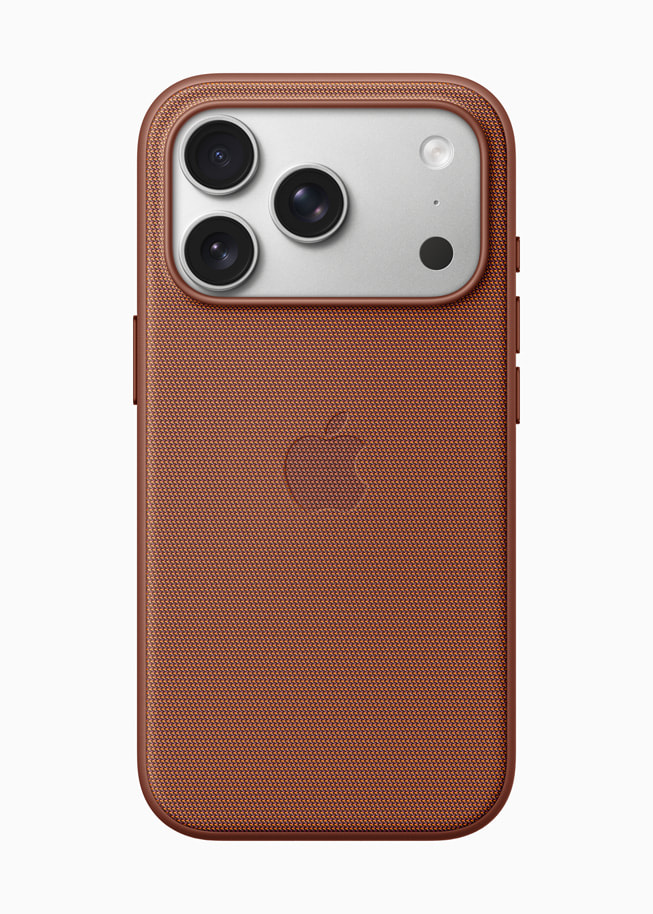
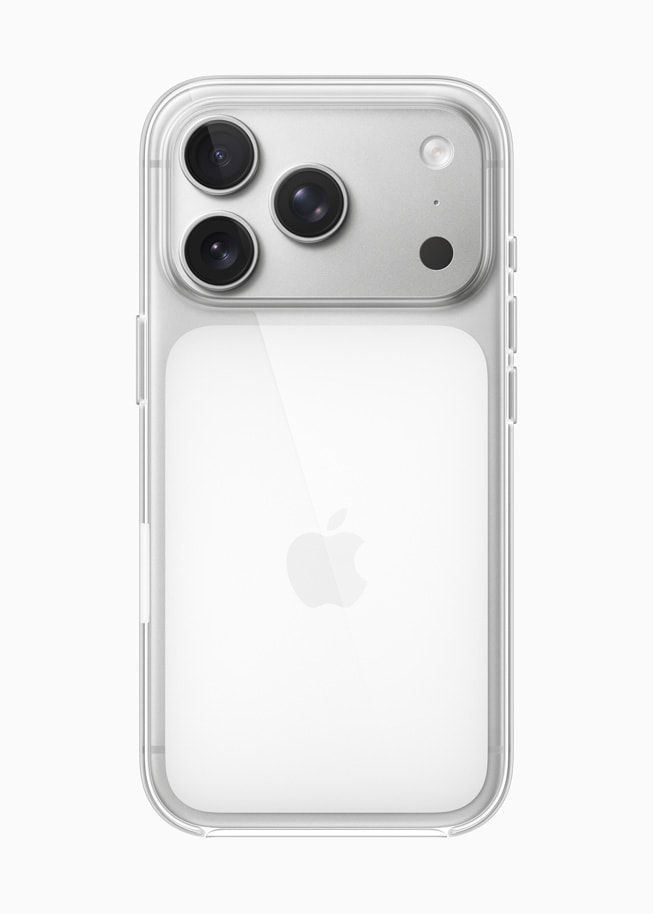
About iPhone Pro
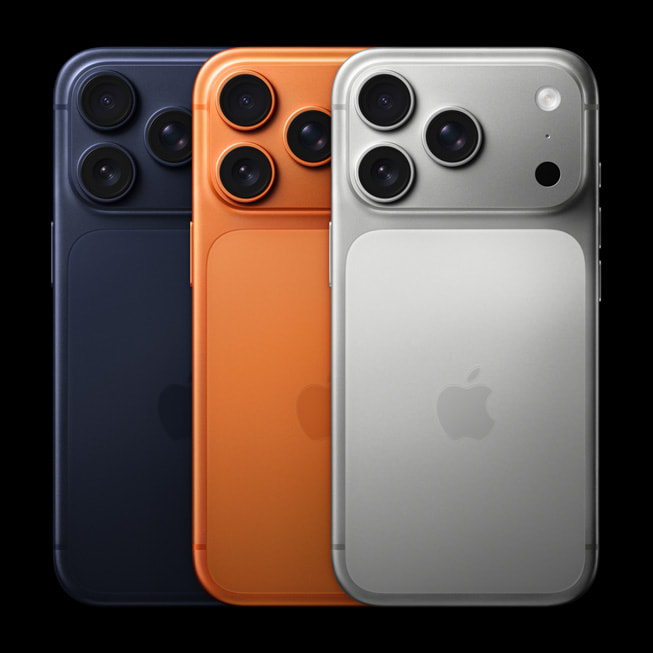
iPhone Pro is the tier Apple keeps for the hardware it does not put in the standard phone. In practice that means a third rear camera with a real telephoto lens, the Pro variant of that year's chip, a high refresh display, and video capture formats aimed at people who edit their footage rather than post it straight out of the camera roll. The line has settled into a predictable shape across generations: two body sizes, a heavier and more expensive chassis than the standard iPhone, and a camera system that is the main honest reason to pay the difference. No single screen size, storage figure or price belongs to the Pro line as a whole, because every generation ships in two sizes and several storage tiers at once. What stays constant is the position: this is the top of the iPhone range, and everything Apple wants to charge extra for arrives here first.
Key specifications
Camera
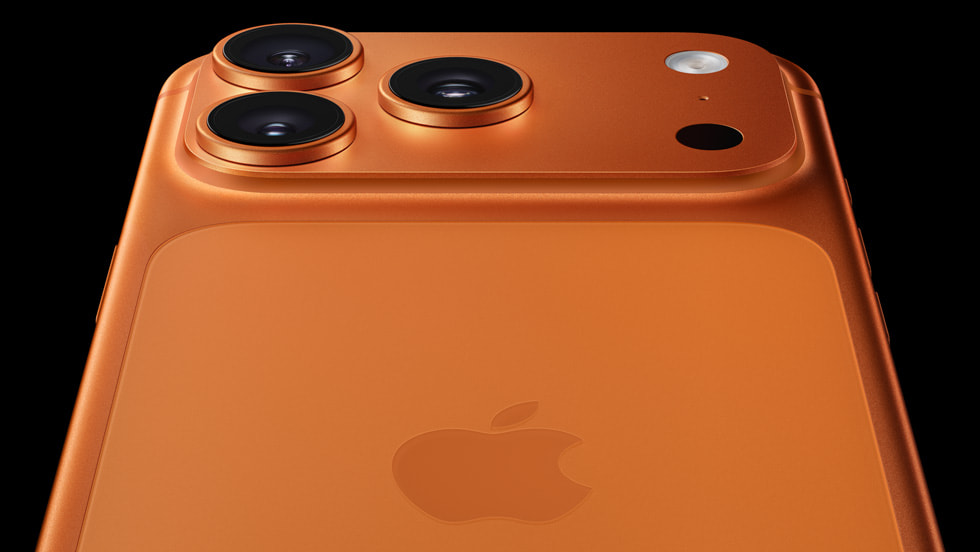
| Rear cameras | Three: Main, Ultra Wide and Telephoto |
|---|---|
| Professional video | ProRes and Apple Log capture, with ProRes RAW and Apple Log 2 in the current generation |
Display
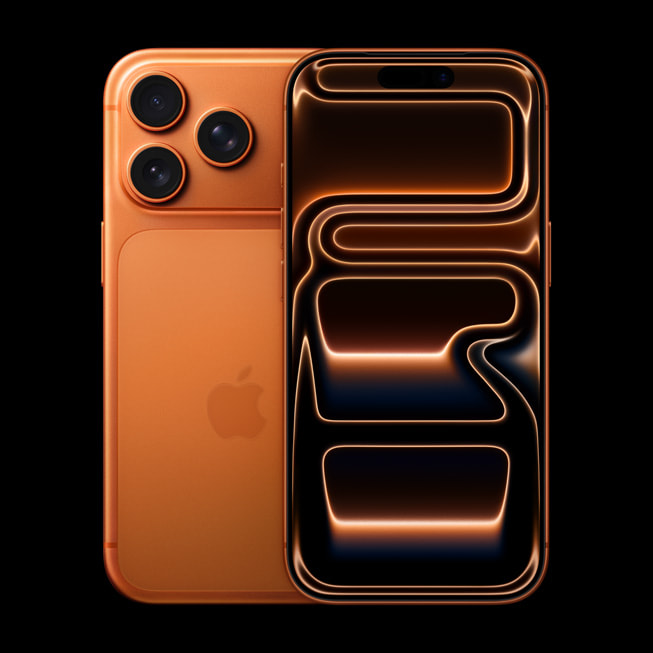
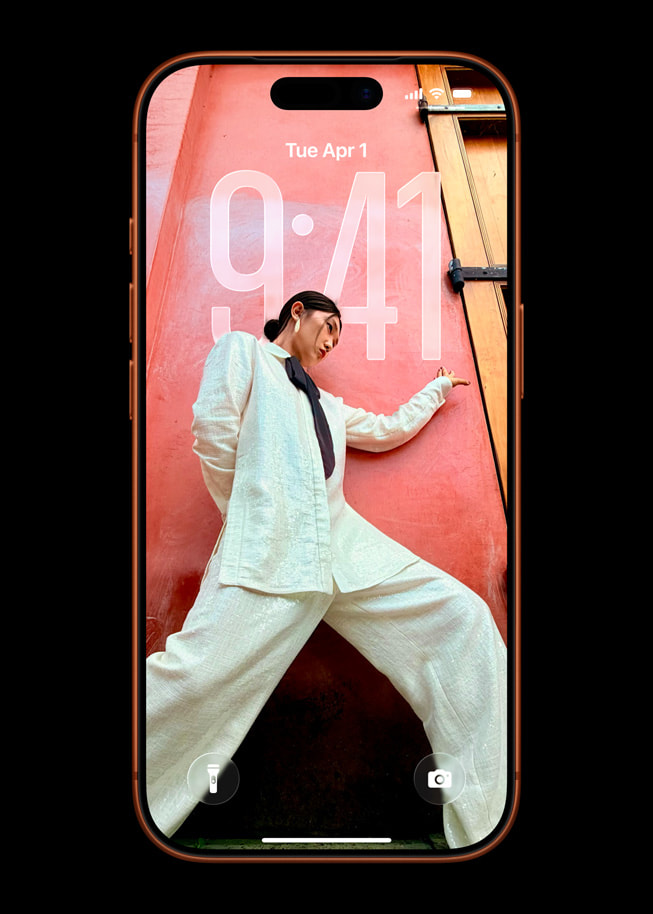
| Refresh rate | Super Retina XDR with ProMotion, up to 120Hz |
|---|
Performance
| Silicon tier | Apple's Pro variant of the year's chip, A19 Pro in the current generation |
|---|
Range
| Body sizes | Two per generation, currently 6.3 inch and 6.9 inch |
|---|
Where the Pro sits in the iPhone range
Apple currently sells four distinct iPhone tiers alongside each other. The entry model, sold as iPhone 17e in the current generation, carries a single rear camera. The standard iPhone adds an ultra wide lens for two cameras total. iPhone Air is the thin one, trading a camera and some battery for a slimmer body while still carrying the Pro chip. iPhone Pro sits above all of them with three rear cameras and the fullest feature set Apple ships.
The practical consequence is that the gap between the standard iPhone and the Pro has narrowed everywhere except the camera. Both run a version of the same chip family. Both take good photographs in good light. The Pro premium buys reach, sustained speed under load, and professional video plumbing. If none of those three matter to you, the tier below is not a compromise, it is the correct purchase.
What the third camera actually buys you
The defining Pro hardware is the telephoto lens. In the current generation Apple lists all three rear cameras at 48MP and quotes eight times optical quality zoom at a 200mm equivalent focal length, which it describes as the longest telephoto it has put in an iPhone. That is the single specification that no other iPhone tier offers.
Whether that matters depends entirely on how you shoot. Amateur Photographer, comparing the two directly, found that most of the time the standard iPhone and the Pro take very similar pictures, and that the reviewer personally reached for the long end fairly infrequently. Their conclusion was that most people should buy the standard model. If you photograph sport, wildlife, stage performance, architecture from across a street, or anything you cannot walk closer to, the telephoto is the reason the Pro exists. If your camera roll is people at arm's length and meals on tables, you will pay for a lens you rarely open.
Why sustained performance is the quiet upgrade
Peak benchmark numbers have stopped being the interesting part of an iPhone generation. Sustained performance has taken over, because the phone that still runs fast in minute fifteen of a recording or a game is the one that feels faster in use.
Apple's answer in the current Pro generation is a heat forged aluminium unibody with a laser welded vapor chamber, which it says moves heat away from the processor and allows up to 40 percent better sustained performance. Tom's Guide, testing the Pro Max, credited the same cooling system with that improvement and paired it with what it called the longest iPhone battery life yet. This is the upgrade that matters most to people who record long video, play demanding games, or run the phone hard on a hot day, and it is the least visible thing on any specification sheet.
Choosing between the two Pro sizes
Every Pro generation ships in a smaller and a larger body. In the current one those are a 6.3 inch and a 6.9 inch Super Retina XDR display, both with ProMotion running up to 120Hz. The cameras and the chip are the same across both.
Three things differ. Battery life is meaningfully longer on the larger body, which Apple rates at up to 39 hours of video playback against up to 33 hours on the smaller one. Storage runs higher, with a 2TB option offered only on the larger model. And the larger phone is genuinely harder to use one handed, which no specification captures. Buy the small one unless battery endurance or the top storage tier is the thing you are actually short of.
What to weigh it against
The nearest rival inside Apple's own range is the standard iPhone, and it is the comparison most buyers should make first. Outside it, the Samsung Galaxy S25 Ultra is the phone Pro buyers cross shop most often. Tom's Guide put the split plainly: Samsung is ahead on extreme zoom and on artificial intelligence features, while the iPhone leads on sustained performance and battery endurance.
The honest cost of the Pro is not only money. Reviewers noted that the current Pro is heavier and thicker than the model it replaced, and that generation over generation the performance gain is incremental rather than dramatic. Against the standard iPhone, the Pro carries roughly a three hundred dollar or three hundred pound premium at the same storage tier, according to Amateur Photographer's comparison.
Who should buy something else
Anyone upgrading from the immediately preceding Pro generation should probably not. Tom's Guide was direct about this: owners of the last one or two Pro Max models will not see enough to justify the outlay, while someone coming from a phone three or more generations old will.
If you rarely zoom, buy the standard iPhone and keep the difference. If thinness and weight matter more to you than a third lens, iPhone Air carries the same Pro chip in a slimmer body. If you want an iPhone at the lowest price Apple offers and can live with one rear camera, the e model does that. And if extreme zoom range or the current generation of on device artificial intelligence is the deciding factor, the Pro is not the best phone on the market for either, and a flagship Android handset will serve you better. The Pro is worth its premium for photographers who use the long lens, for people who record serious video, and for anyone who runs a phone hard enough to feel thermal throttling. For everyone else, Apple sells three cheaper phones that take a very similar picture.
Where to buy
Links go to the seller, not through us. We take no commission and these are not affiliate links, so the order below says nothing about who pays what. Prices and stock change constantly, so check on the day.
Reviews
No reviews yet
Nobody has reviewed iPhone Pro here yet.