
About Apple Watch SE
Apple Watch SE is the entry tier of the Apple Watch range, and it gets rebuilt roughly every three years rather than annually: first in September 2020, again in September 2022, and most recently on 19 September 2025. The proposition has stayed constant across all three. You get the same watchOS, the same app catalogue, the same safety features and the same core fitness tracking as the flagship Series, in an aluminium case, without the sensors and materials that push the price up. It launched at 249 US dollars for the 40mm model without cellular, and by mid 2026 the entry price had settled below that. The third generation narrowed the gap considerably: it runs the same S10 chip as the Series 11, gained the always-on display the second generation did not have, and picked up a skin temperature sensor and sleep apnoea notifications. What no SE has ever done is ECG or blood oxygen, and that omission is the line, drawn deliberately.
Key specifications
Case
| Material | Aluminium only, on every generation of the line |
|---|---|
| Sizes | 40mm and 44mm |
| Water resistance | 50 metres, swimproof |
Connectivity
| Models | GPS, or GPS with cellular |
|---|
Safety
| Included | Emergency SOS and Fall Detection |
|---|
Health
| Not included on any SE | ECG app and blood oxygen app |
|---|
What the SE leaves out, and why that is the point
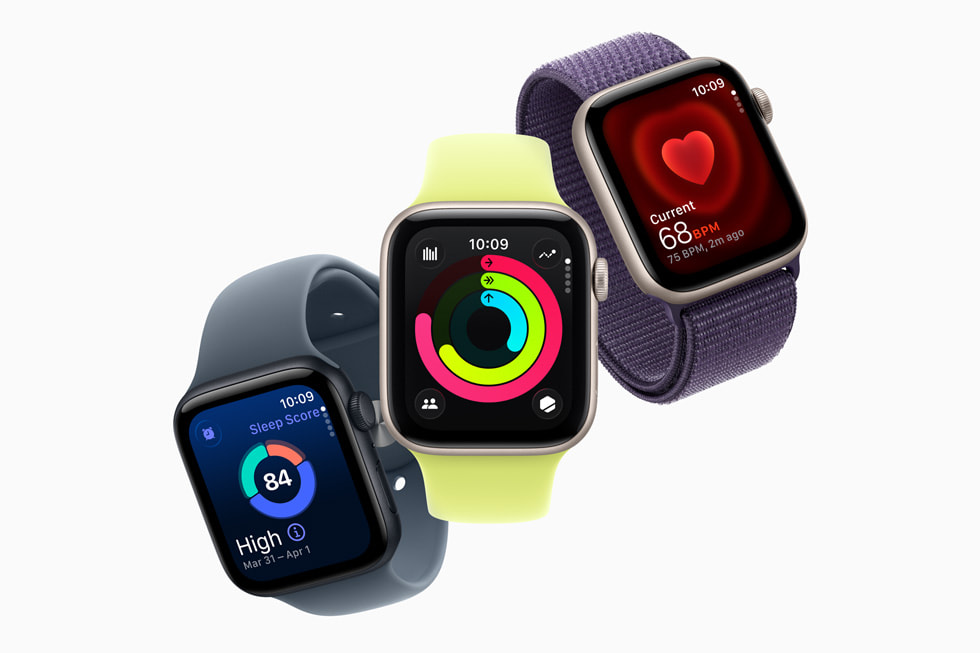
The list of absences is short and specific. No ECG app, no blood oxygen app, no hypertension notifications, no water temperature sensor and no depth gauge. There is no titanium option and no wide colour range, only aluminium in starlight and midnight. The display reaches 1000 nits at peak against 2000 on the Series 11, which matters in direct sunlight and almost nowhere else. Battery is rated at up to 18 hours against 24 on the flagship, or 32 hours in Low Power Mode against 38. Everything else is shared. Notifications, Apple Pay, workout tracking, GPS, sleep stages with sleep apnoea notifications, Emergency SOS, Crash Detection, Fall Detection, irregular rhythm notifications and the whole watchOS app catalogue all arrive intact. For a large number of buyers, the absent list contains nothing they would ever have opened.
What the third generation added
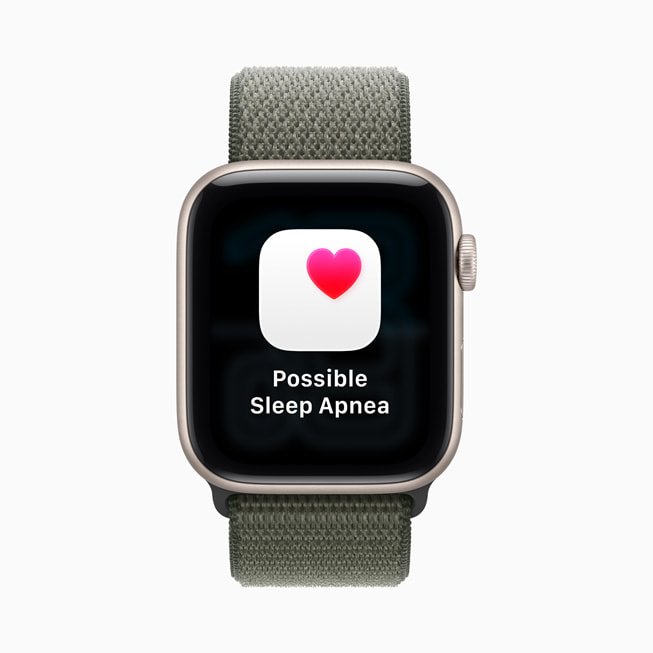
The September 2025 model is the first SE that does not feel like a cut down watch in daily use. The always-on display is the change people notice, because glancing at a wrist without lifting it is the difference between a watch and a device you operate. Charging roughly doubled in speed, reaching about 80 per cent in 45 minutes, with 15 minutes returning around 8 hours of use, which makes a top up before bed practical if you track sleep. The S10 chip brought on-device Siri and the gesture controls, Double Tap and the wrist flick, that had been flagship only. A skin temperature sensor arrived, and sleep apnoea notifications came with it. Cellular models moved from LTE to 5G RedCap. Coming from the second generation, those are four or five things you would actually notice in a week.
Sizes, materials and the design question
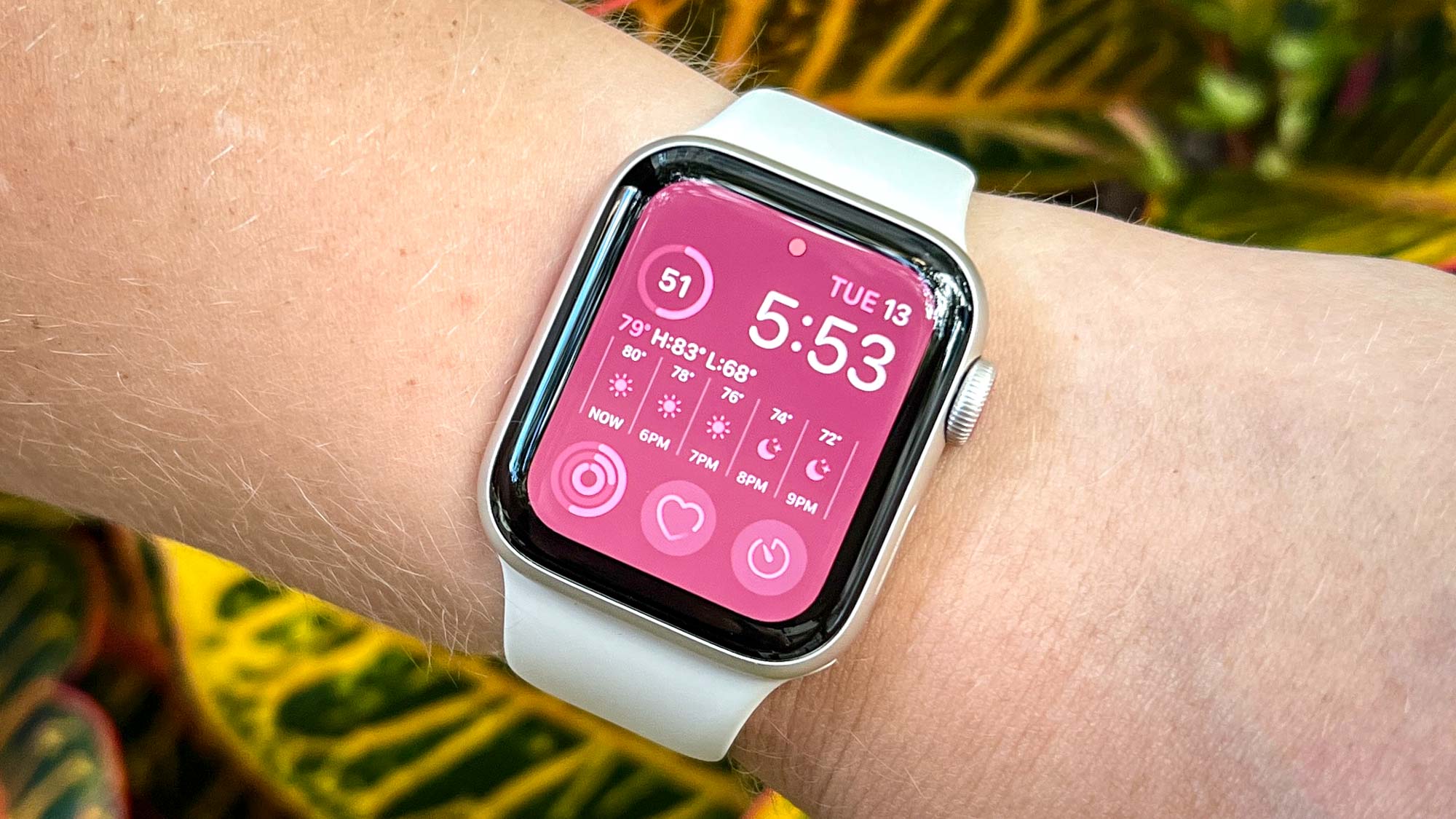
The SE comes in 40mm and 44mm aluminium, in starlight and midnight, water resistant to 50 metres. The cases are physically the older Apple Watch shape rather than the larger, thinner bezelled design the Series line moved to, and that is the most common criticism in reviews. 40mm and 44mm against 42mm and 46mm on the Series 11 means a visibly smaller screen on the same wrist. If you have handled a Series 4 through Series 6, you already know the shape. Whether it reads as dated or simply as smaller depends mostly on whether you have worn the newer one alongside it.
SE against Series 11
Both run the same chip, so speed is not the deciding factor. The gap at the entry point is around 80 dollars and it buys four things: a brighter and physically larger display, a titanium option, six hours more battery, and the health sensors. Anyone tracking a specific cardiac concern should pay the difference, because ECG and hypertension notifications are the reason those features exist and no software update will add them to an SE. Anyone who wants a watch for notifications, workouts, sleep and paying for coffee is looking at the same daily experience in both cases and paying more for one of them. The summary most reviewers reach is that the SE is the right default and the Series is the right exception.
Who should buy something else
Buy a Series or an Ultra if you want ECG, blood oxygen or hypertension notifications, or if you dive and need a depth gauge and water temperature. Buy an Ultra if you need multi-day battery, because 18 hours means charging every day without exception. Buy something else entirely if you carry an Android phone, since Apple Watch does not pair with one at all, which is a harder limit than anything else in Apple's range imposes. Buy a dedicated running or multisport watch if your training involves long events where the watch has to survive a weekend away from a charger. And think twice about an older SE on discount: the always-on display and the faster charging are the two changes that altered the daily experience most, and neither is on the earlier generations.
Where to buy
Links go to the seller, not through us. We take no commission and these are not affiliate links, so the order below says nothing about who pays what. Prices and stock change constantly, so check on the day.
Reviews
No reviews yet
Nobody has reviewed Apple Watch SE here yet.