About Apple Card
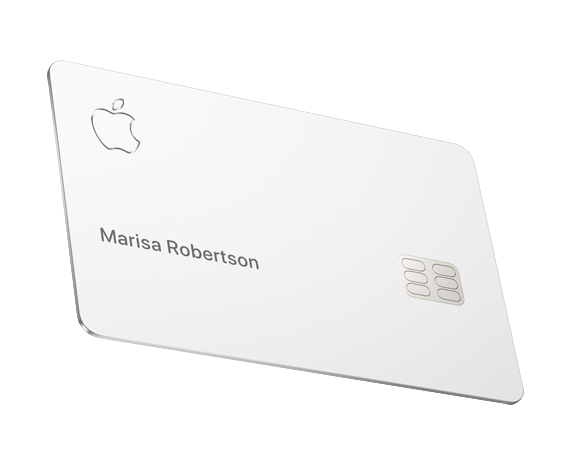
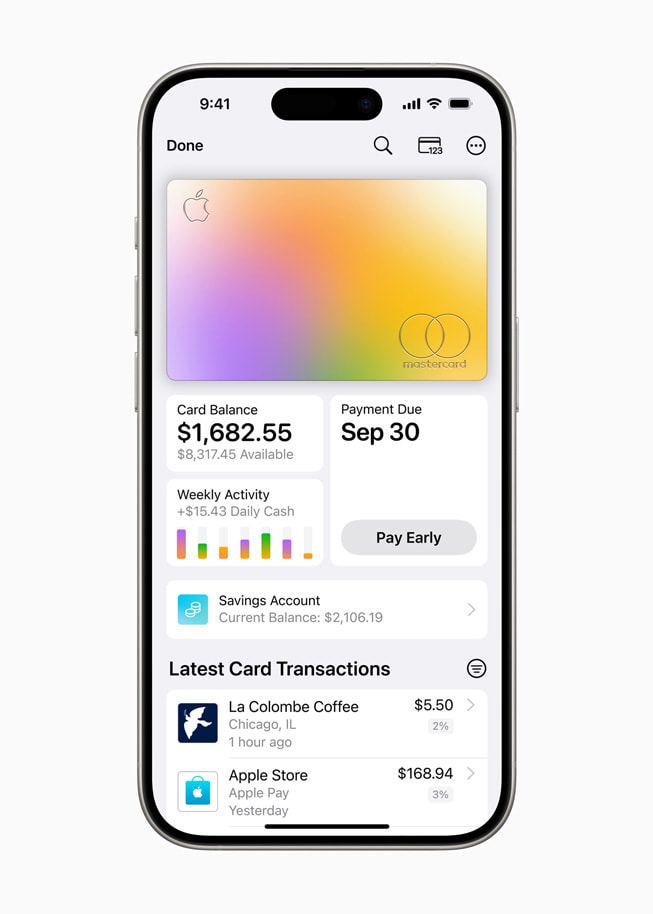
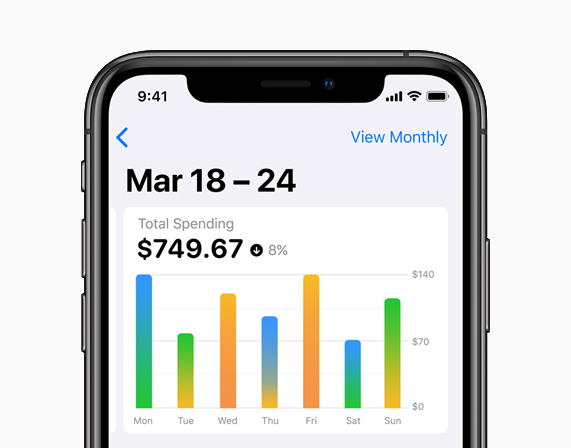
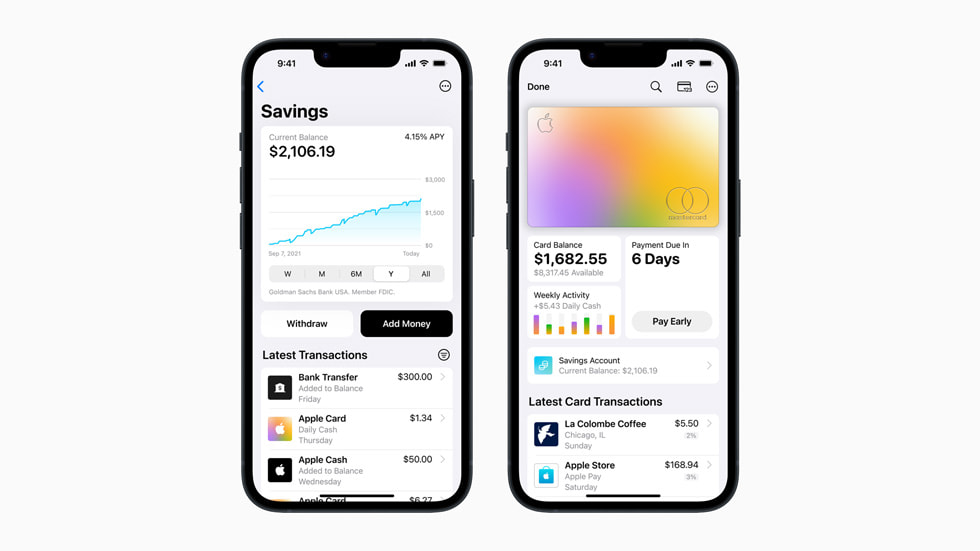
Apple Card is a credit card Apple runs with a partner bank and administers inside the Wallet app on iPhone. It launched to all United States customers in August 2019 and has stayed a United States product since. What separates it from an ordinary co-branded card is where it lives: the application, the statement, the spending breakdowns, the payment scheduler and the rewards all sit in Wallet rather than on a bank website, and the physical titanium card is the secondary object rather than the main one. The reward is Daily Cash, paid each day rather than accrued as points. In January 2026 Apple announced that Chase would replace Goldman Sachs as the issuing bank, which is the largest change in the card's history and is still in progress.
How the Daily Cash tiers actually work
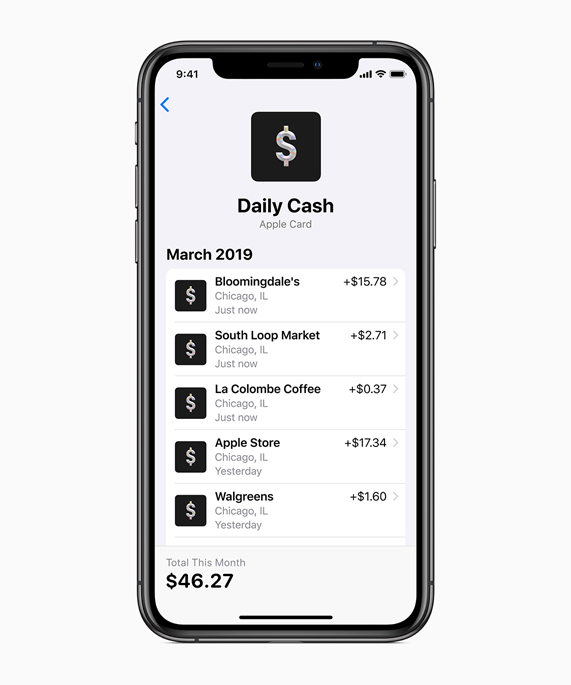
There are three rates, and which one you get depends on how you pay rather than what you buy. Apple states 3 percent at Apple and at select partner merchants when you pay with Apple Pay, 2 percent on anything else paid with Apple Pay, and 1 percent when you use the titanium card. Daily Cash lands on the Apple Cash card each day rather than posting once a month, and it can be spent straight away, put against the balance, or sent to someone in Messages. It can also be routed automatically into the Savings account.
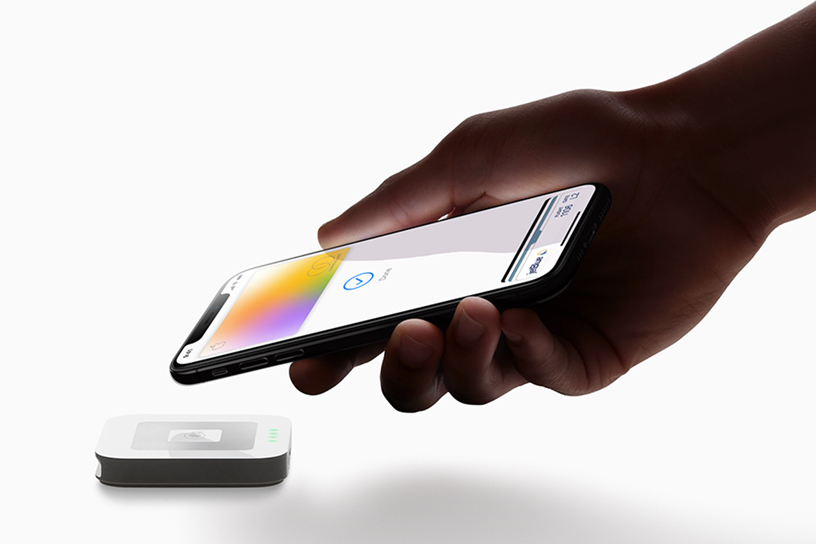
The design point worth understanding is that the headline 3 percent is narrow and the fallback 1 percent is poor. Several no-fee cards pay a flat 2 percent everywhere, including in shops that do not take contactless payment. Apple Card matches that only where Apple Pay is accepted. The card therefore rewards people who already pay by phone almost everywhere, and quietly penalises people who do not.
What the fee structure covers and what it does not
Apple states the card has no annual fee, no over-limit fee, no foreign transaction fee and no late fee. That last one is unusual and genuinely useful, but it does not make a missed payment free: interest still accrues on a carried balance, and the Wallet payment wheel exists to show what different payment amounts cost in interest before you commit.
Two features are worth more than the headline rate. Apple Card Family lets two adults merge credit lines into a single co-owned account and build credit as equals, which is rare and matters for a partner with no credit file of their own. Apple said in January 2024 that more than a million people were sharing a card this way and that nearly 600,000 were building credit alongside a partner. The Savings account, opened in April 2023, took more than $10 billion in deposits within months. Its interest rate has moved several times since, so check the current figure rather than any published number.
The issuer is moving from Goldman Sachs to Chase
On 7 January 2026 Apple and JPMorgan Chase announced that Chase will take over as issuer, ending Goldman Sachs' involvement in the card. Chase said the transition is expected in roughly 24 months and remains subject to regulatory approval, and that more than $20 billion of card balances will move. JPMorgan Chase also said it expected to book a $2.2 billion provision for credit losses in the fourth quarter of 2025 against that commitment.
For a cardholder the immediate answer is that nothing happens yet. Both companies say the card keeps working as normal through the transition, Mastercard stays as the payment network, and Daily Cash, Apple Card Family and access to a high-yield Savings account all continue. One detail is easy to miss: MacRumors reported that existing Savings accounts held at Goldman Sachs will not transfer automatically, so holders will have to decide whether to stay put or open a new account with Chase. Apple directs cardholders to a transition information page for updates.
What the regulatory record says about servicing
In October 2024 the Consumer Financial Protection Bureau ordered Apple and Goldman Sachs to pay more than $89 million over Apple Card failures, citing customer service breakdowns and misrepresentations that it said affected hundreds of thousands of cardholders. Apple paid a civil money penalty of $25 million. The bureau's own record shows that order was terminated in September 2025.
This is worth holding alongside the marketing. The Wallet interface has consistently been the strongest part of the product and the servicing behind it has been the weakest, and servicing is precisely what changes hands in the move to Chase. Anyone choosing the card today is partly betting on an issuer that has not taken over yet.
Who should carry a different card
If you do not use an iPhone, this card cannot be used the way it is designed to be used. The statement, the spending tools and the dispute process all live in Wallet.
If you are outside the United States, it is not available to you at all.
If you often pay with a physical card rather than a phone, a flat 2 percent cash back card will pay you more. Earning 1 percent on those purchases costs more across a year than the 3 percent tier returns at the Apple Store, unless you buy Apple hardware regularly.
If you want travel rewards, transferable points or a large sign-up bonus, this is the wrong product. Daily Cash is cash, and there is no points programme behind it to convert into flights or hotel nights.
If you expect to carry a balance from month to month, the absence of a late fee is not a good reason to choose it. Compare the interest rate against a card offering a promotional zero percent period, which will save far more than any cash back tier.
Reviews
No reviews yet
Nobody has reviewed Apple Card here yet.