About Apple Arcade
Apple Arcade is a games subscription. One payment opens a catalogue of more than 200 titles across iPhone, iPad, Mac, Apple TV and Apple Vision Pro, and none of them carry advertising or in app purchases. Apple charges 6.99 dollars a month in the United States, or 49.99 dollars a year, with a one month free trial and three months included with an eligible new device. It is also folded into every Apple One bundle. The proposition is narrow and clear: this is not a way to play the games you would otherwise buy on a console, it is a way to stop paying for mobile games in the drip fed manner the App Store normally demands. Whether that is worth 7 dollars a month depends almost entirely on what sort of games you like, because the catalogue leans heavily in one direction and thins out sharply in another.
What the subscription actually covers
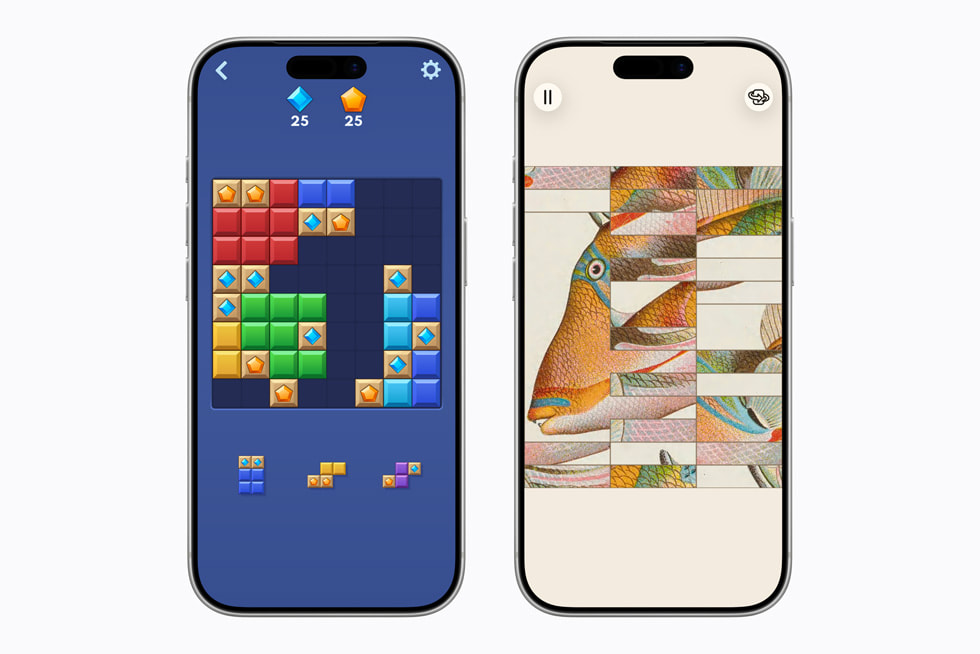
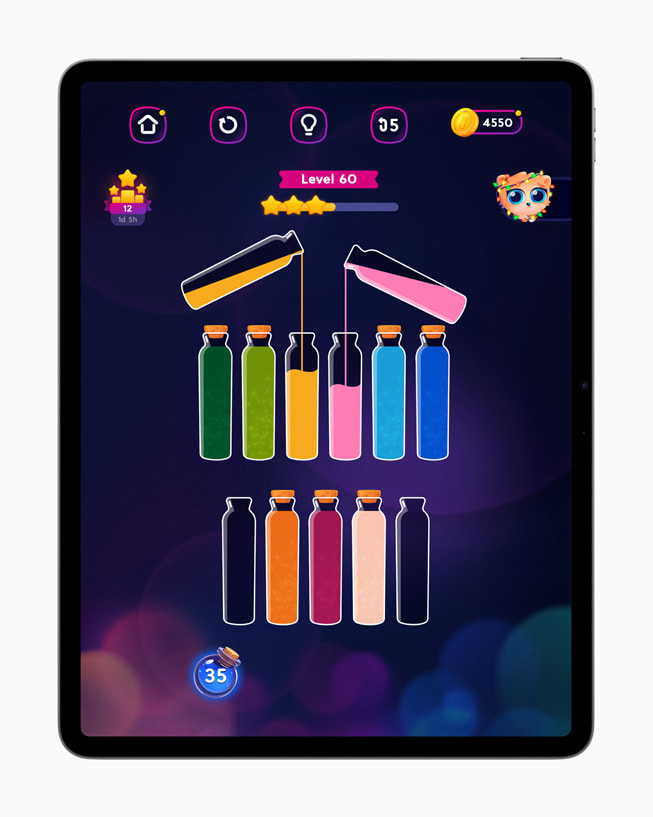
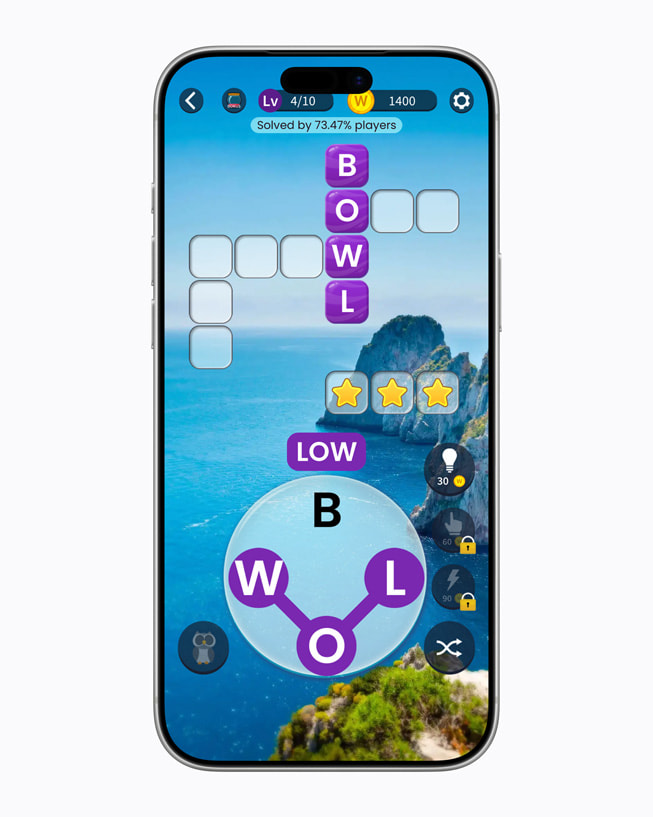
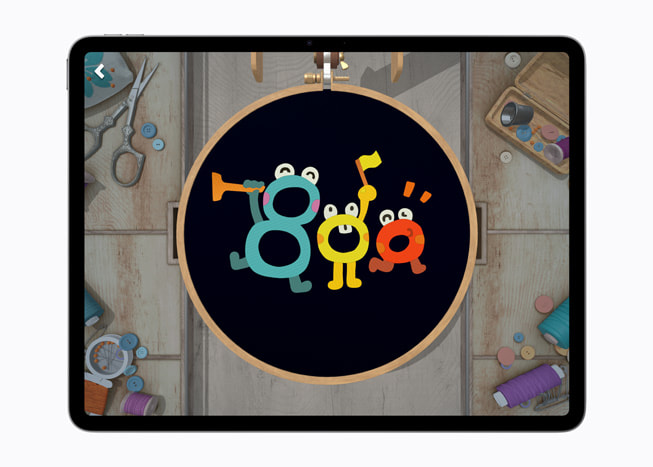
Apple lists more than 200 games, added to monthly, spanning action, puzzle, strategy, adventure, simulation, board, card and sports. The catalogue mixes three kinds of title. There are Arcade Originals, built for the service and not sold elsewhere, of which Sneaky Sasquatch is the best known. There are App Store Greats, which are existing paid games brought over whole. And there are Timeless Classics, meaning long running board and card games.
A large share of the catalogue carries a plus sign after the name, as in Flow Free+ or DREDGE+. That marking means an existing free to play or paid App Store game has been republished for Arcade with its advertising and its in app purchases stripped out and all its content unlocked. It is the same game without the machinery designed to extract money from you while you play it.
What no ads and no in app purchases actually changes
This is the part of the offer that is easy to underrate. A large fraction of the mobile games market is designed around interruption and around currency you buy. Removing both does not just make a game more pleasant, it changes what the game is: levels are paced to be finished rather than to be stalled at, and progress is not gated behind a wallet.
The practical effect is clearest with children. A subscription with no purchase prompts is a different object from a free game with them, and Family Sharing covers up to five other people at no extra cost, which makes the effective price per person very low in a household. Games are playable offline, and many support external controllers including Xbox and PlayStation pads, which matters most on Apple TV and Mac.
Where the catalogue is strong and where it thins out
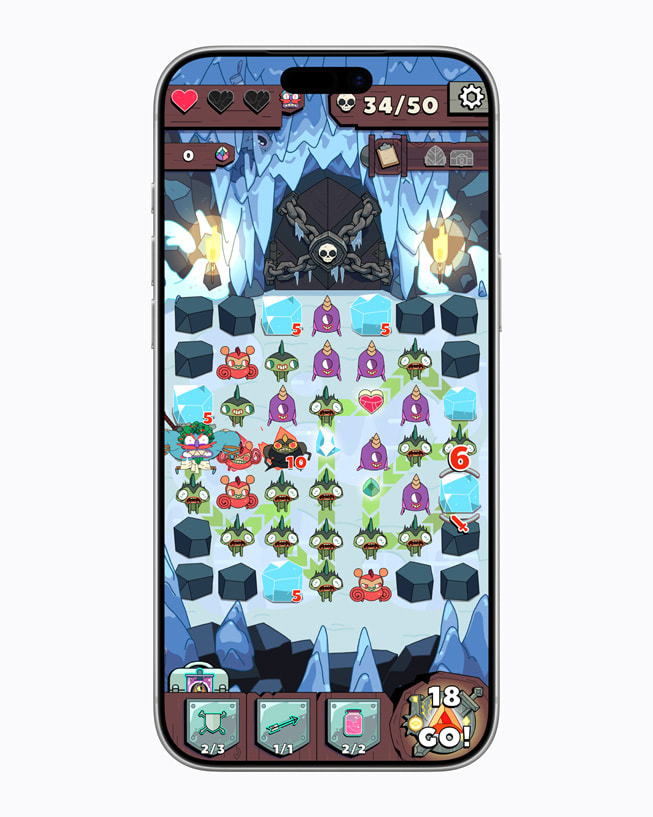
Pocket Tactics, reviewing the service, rated it 8 out of 10 and called it strong value at the current price, singling out Balatro, Stardew Valley, Monster Train, RollerCoaster Tycoon Classic and Sonic Dream Team. Those are genuinely good games rather than filler, and several of them are titles people happily pay for elsewhere.
The same review named the gaps without hedging: very few first person shooters, very few role playing games beyond the original Final Fantasy, and a heavy weighting towards cozy and puzzle titles. That is the shape of the catalogue and it has been consistent. If your taste runs to puzzle, strategy, simulation, board games and indie titles, the value is obvious. If you want shooters, large role playing games, or anything resembling a current console release, it is not there and no amount of monthly additions has changed that.
How it compares with the alternatives
The closest comparison is Netflix Games, which is included in a Netflix subscription rather than sold separately. iMore's comparison put Arcade well ahead on catalogue size and on device coverage, noting that Netflix Games runs only on phones and tablets and does not support controllers, while Arcade reaches iPhone, iPad, Mac and Apple TV and does. Its recommendation was straightforward: if you already pay for Netflix, use what is included, and if you live in Apple's ecosystem, Arcade is the larger and more flexible catalogue.
The other comparison worth making is against Apple One. Arcade is bundled into all three Apple One tiers, so if you already pay for two or more Apple services separately, the bundle may cost less than the sum and Arcade arrives at no marginal cost. Work out the total before subscribing to Arcade on its own.
Who should subscribe to something else
If you play shooters or role playing games, this is not your subscription. Pocket Tactics was explicit that players looking for either will find the library disappointing, and that is a structural feature of the catalogue rather than a temporary gap.
If you already subscribe to Netflix and only play casually, Netflix Games costs you nothing extra and will probably satisfy you. If you own a console or a gaming PC, no mobile subscription is competing for the same hours, and Game Pass or PlayStation Plus answer a different question entirely. If you are on Android, Arcade does not exist for you and Google Play Pass is the equivalent to look at.
And if you buy games rarely, do the arithmetic. Roughly 50 dollars a year buys two or three full price indie titles outright, kept forever, against a catalogue you lose access to the month you stop paying. Arcade is excellent value for a household that plays regularly and across several devices. It is poor value for somebody who opens a game twice a month.
Reviews
No reviews yet
Nobody has reviewed Apple Arcade here yet.