Apple Vision
by Apple ·Cupertino, United States
- Page last updated
- 15 August 2026
About Apple Vision
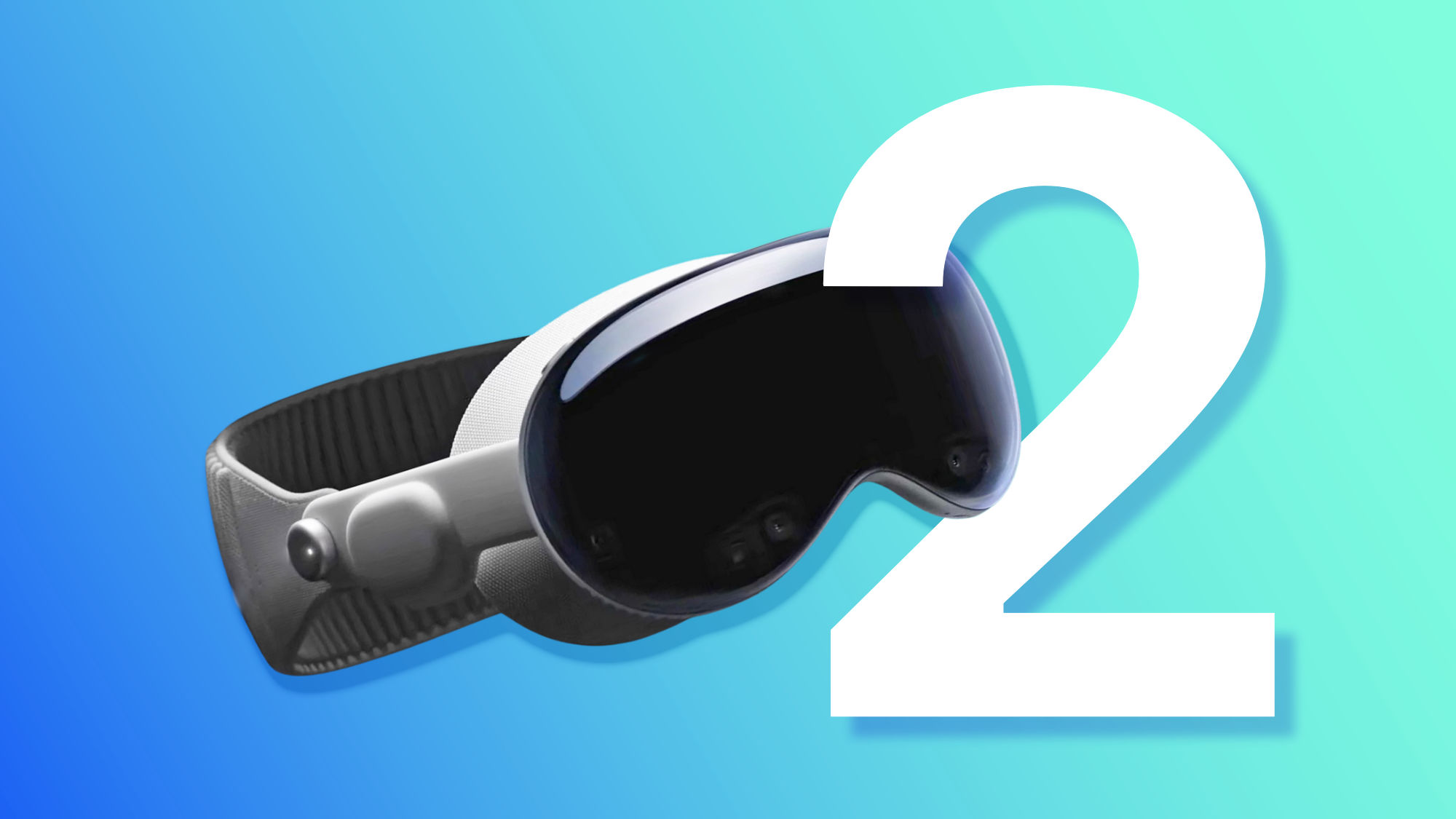
Apple Vision is the company's spatial computing line, and at present it is one headset rather than a family. Apple Vision Pro puts apps, films and other people into the room around you instead of onto a panel in front of you. Apple's own page describes a micro-OLED display system with 23 million pixels, more than a 4K TV for each eye, driven by an M5 chip alongside a dedicated R1 chip, at refresh rates up to 120Hz. It is worth being clear about what this range is not: there is no cheaper model, no glasses-style product and no controller-first gaming device in it. One headset, two headband options, and a set of accessories sold separately.
What Apple Vision covers today
The line is Apple Vision Pro, offered with a Dual Knit Band or a Solo Knit Band. Apple lists ZEISS Optical Inserts for anyone who wears glasses, plus Magic Keyboard, Magic Trackpad, AirPods Pro 3, AirPods 4 and the PlayStation VR2 Sense controller as separate purchases. Software runs on visionOS through the App Store, with the familiar Apple apps rebuilt for a room rather than a screen. If you already own a Mac, the feature to look at first is Mac Virtual Display, which turns the headset into an oversized monitor for the machine you already use.
What the headset is genuinely good at
Two jobs come up again and again in independent testing. The first is watching things. A private screen the size of a wall, with spatial audio around it, is a straightforward win in a hotel room or on a sofa. The second is the giant virtual monitor. AppleInsider, three months into daily use, called Mac Virtual Display a productivity cheat code and described building a huge working display away from a desk. Spatial photos and video, and FaceTime with life-size tiles and Personas, sit alongside those as things Apple leads with and reviewers use less often.
Comfort, weight and the tether
This is where the M5 generation moved. TechRadar credits the redesigned Dual Knit band with finally spreading the roughly 600 gram weight properly, enough for comfortable two-hour sessions, and AppleInsider reports wearing it for multiple hours and occasionally forgetting it was on. The complaints that survive are structural rather than fixable by a strap. The battery pack stays external and stays on a cable. The weight is still weight. And the small frictions add up: AppleInsider mentions not being able to drink a coffee properly as one of the reasons daily use tailed off.
The honest case against buying one
Price first. TechRadar notes the M5 refresh held the price at 3,499 US dollars, which is a lot to pay for hardware whose best use for many owners is acting as a monitor for a Mac they already own. App depth is second. AppleInsider found the visionOS catalogue thin enough that they rarely opened native apps for their own sake, and singled out the virtual keyboard as fine for a search box and poor for real work. Third is the social problem nobody has solved: this is not something most people put on with others in the room. AppleInsider scored it 3 out of 5 and recommended against it for most buyers.
Who should look at Apple Vision, and who should wait
Look at it if you are already deep in Apple hardware, want the sharpest headset display available, and have a specific job in mind, usually a portable oversized Mac display or private cinema. Wait if you want a broad game and app library, in which case a Meta Quest headset serves you better for a fraction of the outlay. Wait as well if what you actually want is a large virtual screen without a headset on your face, since that need is better matched to glasses-style hardware than to this product. And if budget is a constraint at all, this range has nothing cheaper to offer you, because there is no second model in it.
Products (1)
Apple Vision Pro
No reviews yetReviews
No reviews for this brand yet.