
About Apple Vision Pro
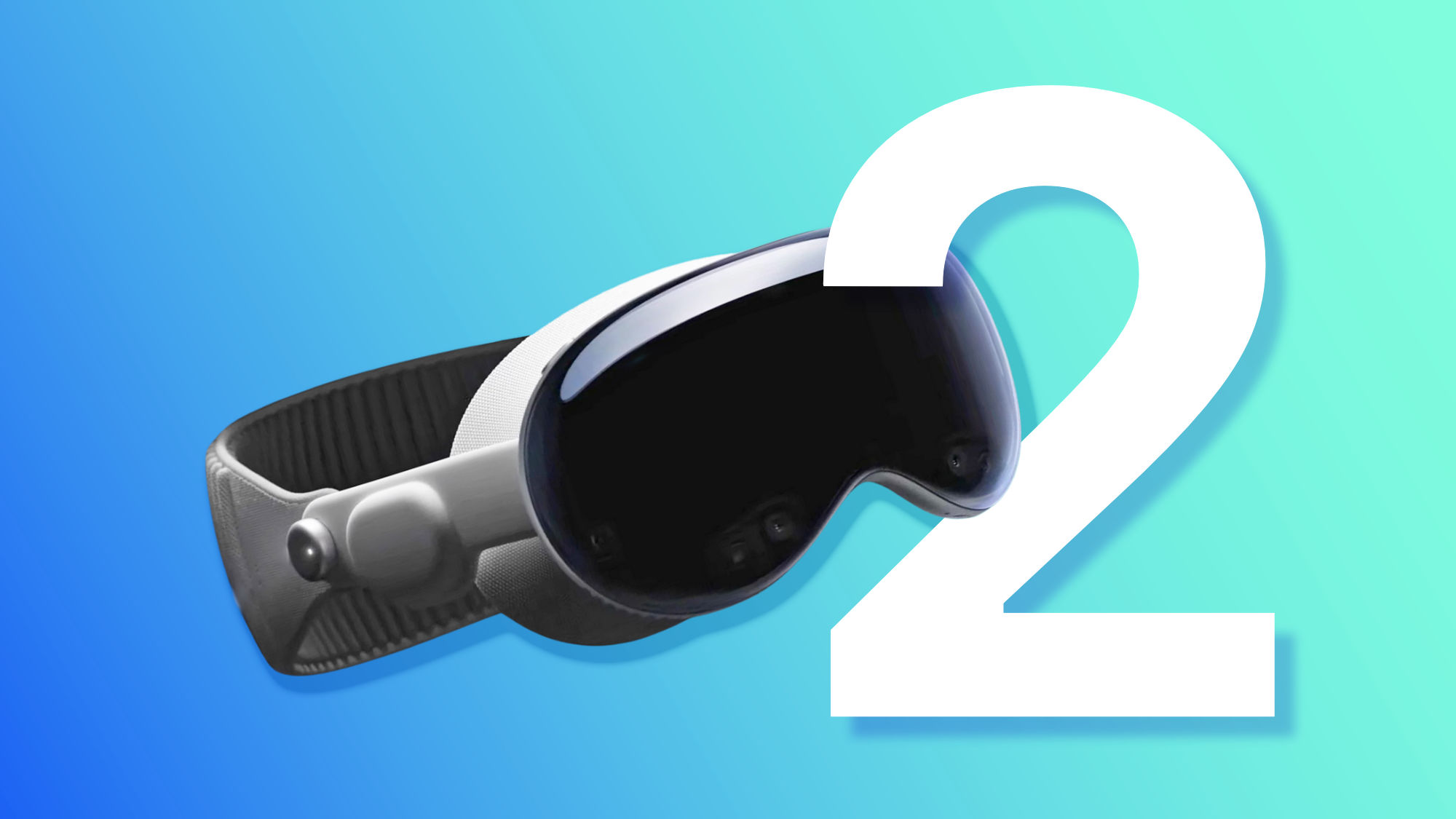
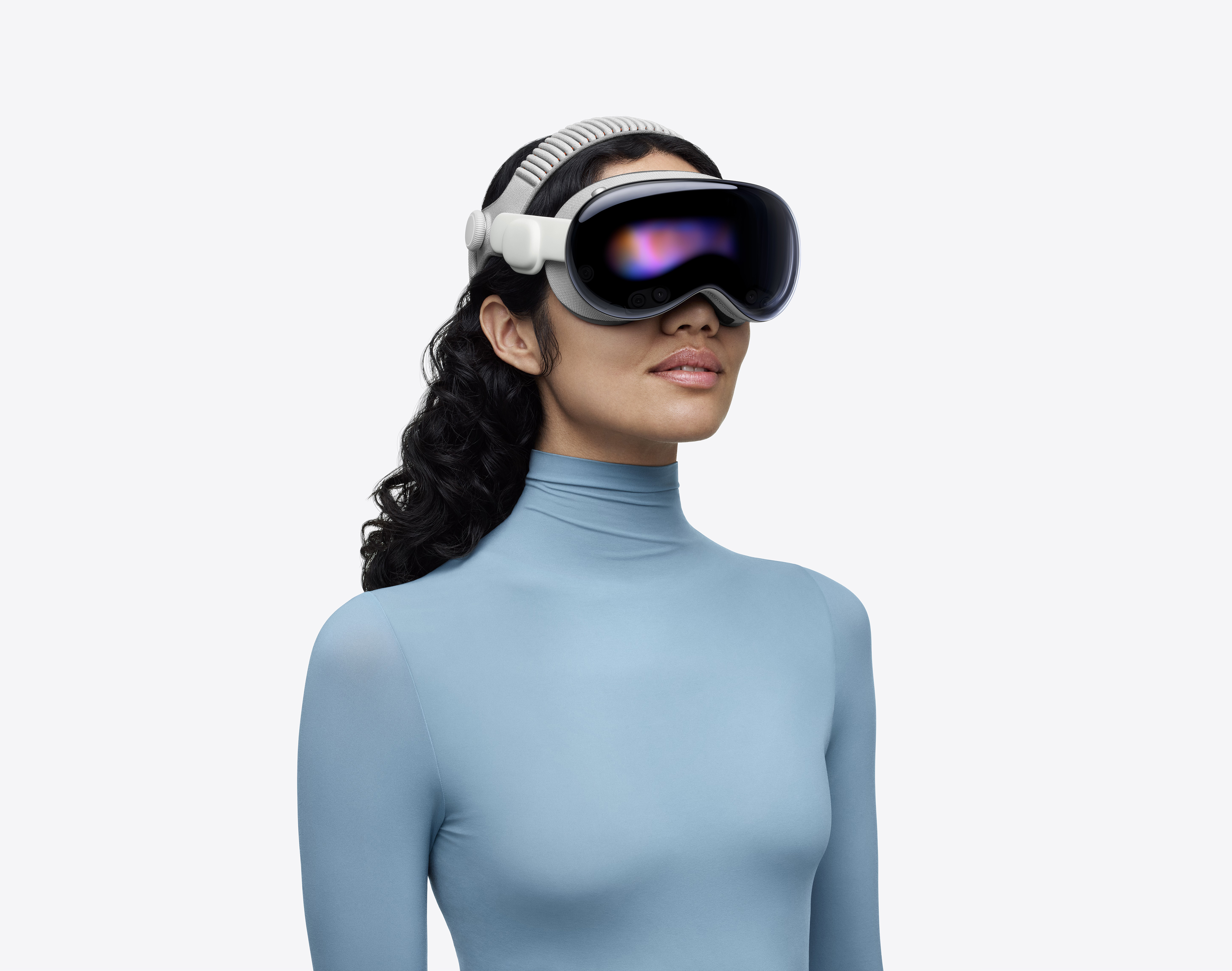
Apple Vision Pro is Apple's headset, and the only product under the Apple Vision brand. It puts a pair of micro-OLED panels a short distance from the eyes, tracks where those eyes are looking, and takes its instructions from a glance, a pinch of the fingers and the voice. There is no controller in the box. The line arrived in February 2024 around Apple's M2 chip, and the hardware Apple sells today is the October 2025 revision built on M5. Pricing starts at 3,499 US dollars, which is the fact that decides most of what follows.
Key specifications
Display
| Panels | Two micro-OLED panels, 23 million pixels in total |
|---|---|
| Colour gamut | 92 percent DCI-P3 |
Processor
| Sensor coprocessor | Apple R1, 12 millisecond photon to photon latency |
|---|---|
| Operating system | visionOS |
Storage
| Capacities | 256GB, 512GB, 1TB |
|---|
Sensors
| Cameras | Six world-facing tracking cameras, four eye-tracking cameras, two main cameras |
|---|---|
| Depth and motion | LiDAR Scanner, TrueDepth camera, four inertial measurement units |
Audio
| Output | Spatial Audio with dynamic head tracking |
|---|---|
| Microphones | Six-mic array with directional beamforming |
Connectivity
| Wi-Fi | Wi-Fi 6 (802.11ax) |
|---|---|
| Bluetooth | Bluetooth 5.3 |
Power
| Battery | External battery on a cable, 353 grams |
|---|
Input
| Control | Eyes, hands and voice. No controller is supplied. |
|---|
What the Apple Vision line covers
One product, now in its second hardware generation. Both generations run visionOS, use the same optics and the same external battery on a cable, and are sold in 256GB, 512GB and 1TB capacities. The difference between them is the main chip and the strap.
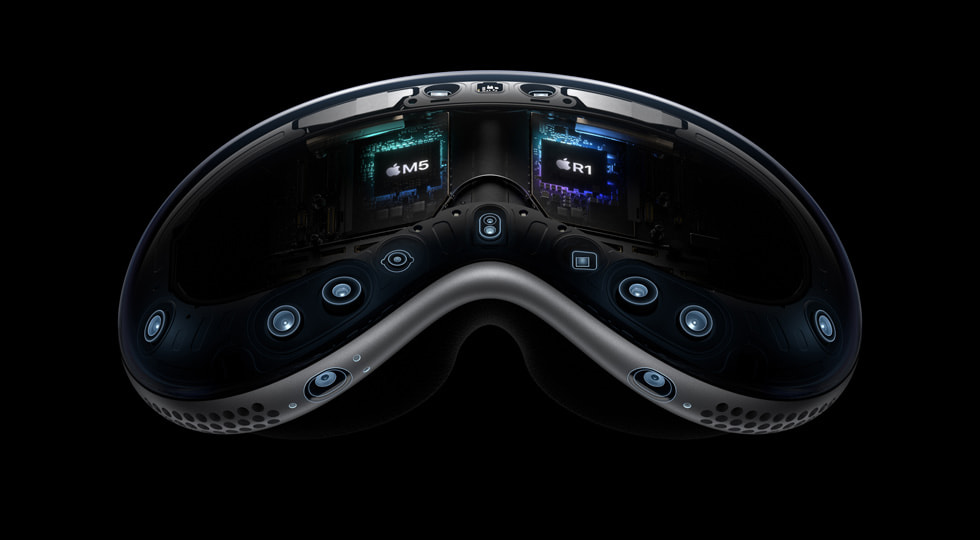
Alongside the M5 sits a second chip, the R1, which does nothing but process the sensors. Apple quotes 12 milliseconds of photon to photon latency for it. That split is the design decision that separates this headset from a phone strapped to your face: one chip runs the software, the other keeps the world from lagging behind your head.
What the M5 revision changed, and what it did not
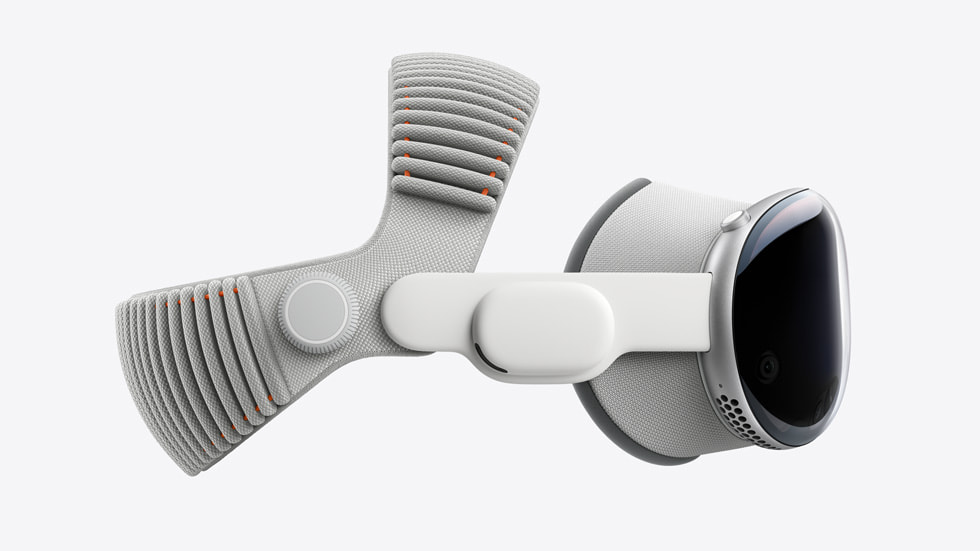
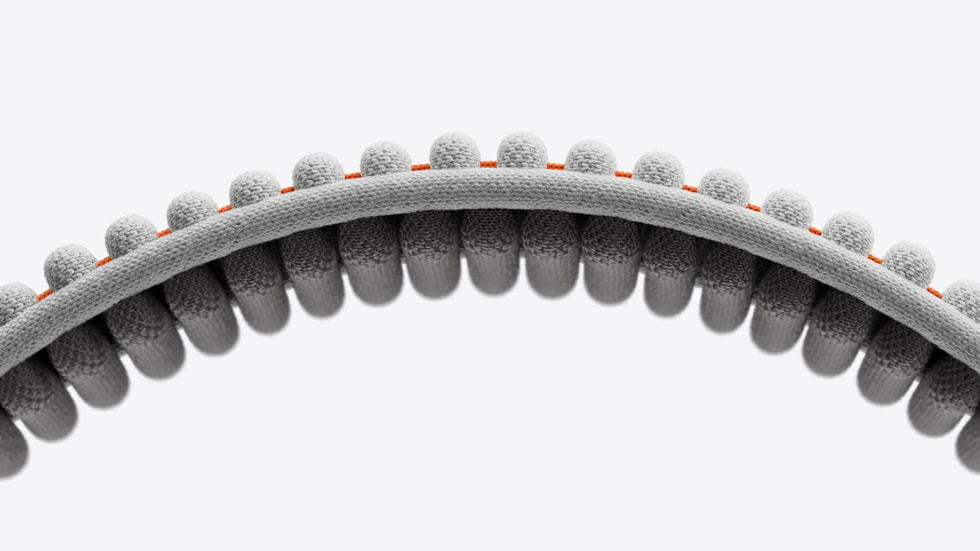
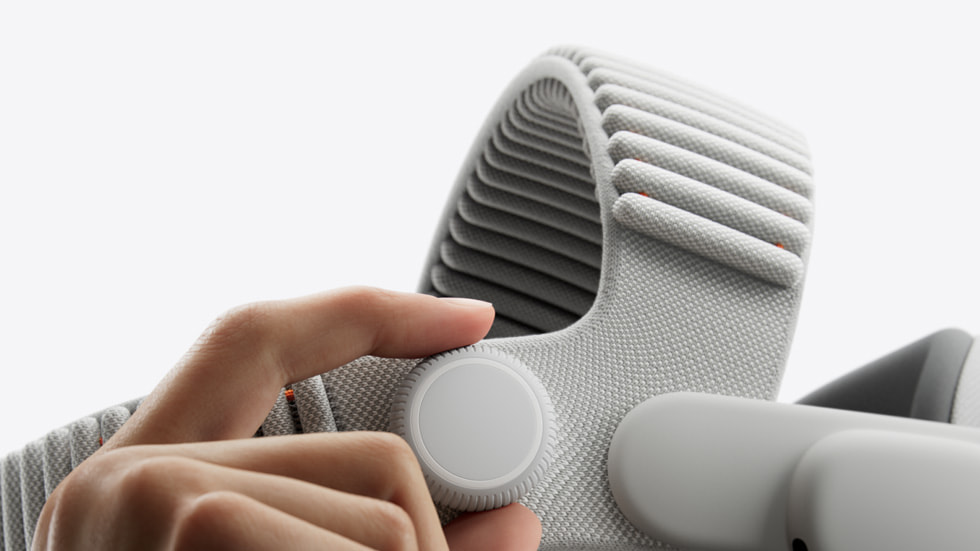
Apple states the M5 model renders 10 percent more pixels on the same 23 million pixel display system, supports refresh rates up to 120Hz, and runs to 2.5 hours of general use or 3 hours of video playback. Apple also claims AI features run up to 50 percent faster for system tasks and up to twice as fast for third party apps. The Dual Knit Band is new: two 3D knitted straps joined as one piece, with tungsten inserts in the lower strap to shift the balance back off the cheekbones.
What did not change is the more useful list. Field of view is the same. Hand tracking and eye tracking are the same. The battery still hangs off a cable and still weighs 353 grams. The price did not move. Reviewers at MacRumors and Tom's Guide both landed on the same conclusion, which is that existing owners have no reason to replace a working headset.
What it costs, and what the price leaves out
3,499 US dollars buys the 256GB model. The 512GB and 1TB tiers cost more, and Apple lists those figures at the point of order rather than on the specification page, so check them there rather than trusting a number quoted second hand.
Two accessories are worth budgeting for separately. The Dual Knit Band is sold on its own for 99 US dollars, which matters if you have the earlier headset and want the better strap without the new chip. If you wear glasses, the headset does not accommodate them: ZEISS Optical Inserts are a separate purchase, and a current prescription is required before Apple will sell them.
Who it is for
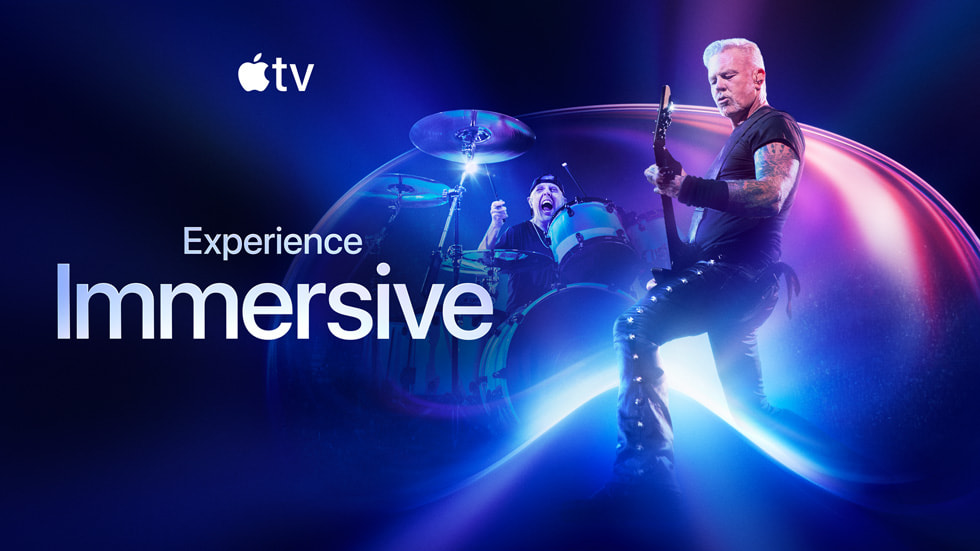
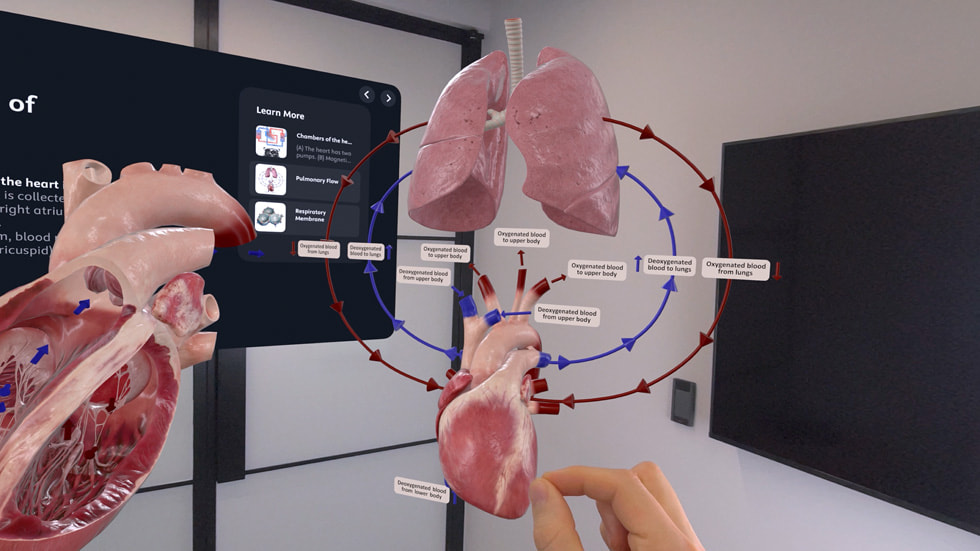
Three groups get real value out of it today. People who want a very large private screen, because Mac Virtual Display turns a laptop into a display the size of a wall and works on a train or a plane. People who want immersive video, which remains the demonstration that convinces sceptics fastest. And developers and businesses building training or simulation software, which is where most of the case studies Apple publishes actually come from.
Outside those three, it is a device you admire rather than one you reach for. That is not a criticism of the engineering, which is ahead of everything else on the market. It is an observation about how often you would put it on.
The comfort question, honestly
The M5 model is heavier than the one it replaced, at 750 to 800 grams against roughly 600 to 650 grams before, and that is before the battery. The new band offsets this rather than solving it: reviewers report going from about 30 minutes of tolerable wear to something closer to two hours, mostly because the tungsten counterweights move pressure off the face and onto the top of the head.
Two hours is the honest working figure, and it happens to match the battery. If you were hoping to wear this for a full working day at a desk, that is not the device this is yet.
What to weigh against a Galaxy XR or a Meta headset
Samsung's Galaxy XR is the direct challenger and weighs about 19 ounces against the Vision Pro's 26 to 28, and it ships with Google's assistant built in. Meta's headsets cost a fraction of the Vision Pro and have by far the larger games library, along with a mature controller ecosystem the Vision Pro does not have, although Apple now supports Sony's PlayStation VR2 Sense controllers.
Where the Vision Pro still wins outright is display quality, passthrough of the real room, and the way it hands text and windows to you at a size you can actually read for work. Nothing else is close on those three. Everything else is a question of whether they justify the gap in price.
Who should buy something else
Skip it if you want a games machine. The library is thin next to Meta's and the headset was not designed around controllers.
Skip it if your viewing is Netflix and YouTube, because neither has a native visionOS app and watching through a browser window is a worse experience than a tablet on your chest.
Skip it if you already own the M2 headset and are tempted by the reviews. Buy the 99 dollar band instead and keep the difference.
And skip it if you need one headset that several people in a household will pick up and use, because setup is calibrated to one pair of eyes and handing it round is a chore rather than a gesture.
One last piece of practical advice: Apple runs free in-store demonstrations. At this price, do that before you order. Half an hour of wearing it answers the comfort question better than any review can.
Where to buy
Links go to the seller, not through us. We take no commission and these are not affiliate links, so the order below says nothing about who pays what. Prices and stock change constantly, so check on the day.
Reviews
No reviews yet
Nobody has reviewed Apple Vision Pro here yet.