About Samsung Health
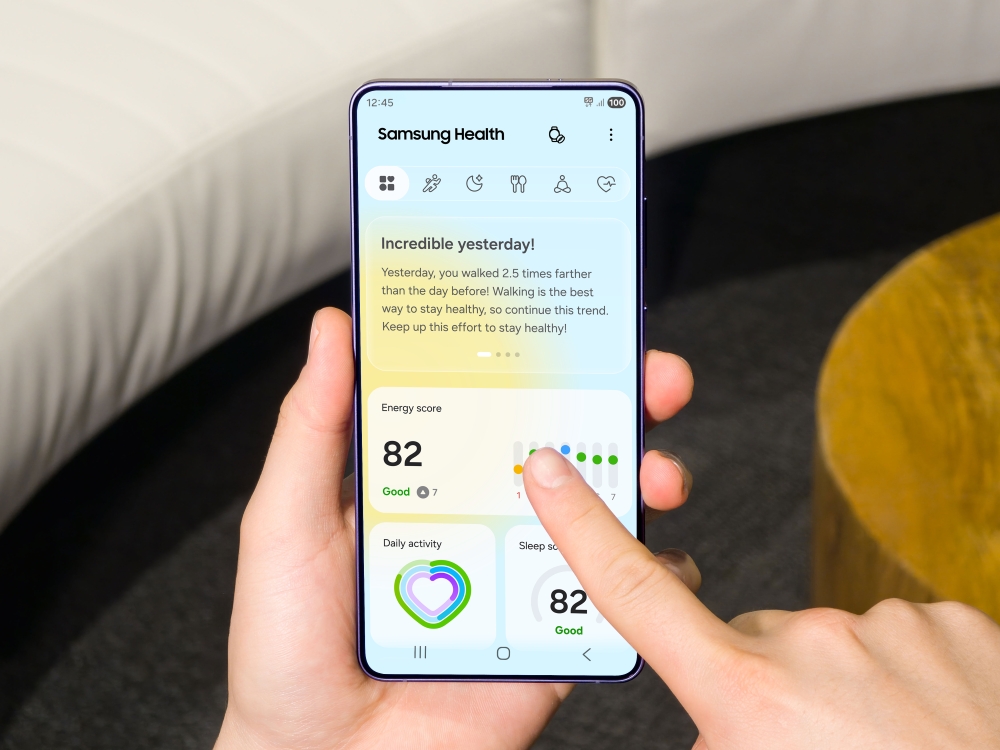
Samsung Health is the app the rest of Samsung's health hardware reports into. A Galaxy Watch, a Galaxy Ring or a Galaxy phone takes the readings. Samsung Health is where they are stored, charted and turned into something the owner is meant to act on. It runs on Android, needs a Samsung account, and is free, with no paid tier, which is the single most useful thing to know about it because the obvious alternatives are not free. The version that matters now is the rebuild Samsung began rolling out on 8 June 2026, which reorganised the app around five headings: Sleep, Activity, Nutrition, Mindfulness and Vitals. Samsung's stated aim was to move the app away from showing a person their numbers and towards telling them what the numbers mean. That is a much harder thing to do well, and it is the ground on which the app now deserves to be judged rather than on the length of its metric list.
What Samsung Health measures and reports
The centrepiece of the current app is Vitals, which takes five overnight signals, heart rate, heart rate variability, respiratory rate, skin temperature and blood oxygen, and compares them against the wearer's own established baseline rather than against a population figure. The design decision worth noticing is that it only raises something when the deviation is meaningful, which is the opposite of the usual approach of showing every reading and leaving the interpretation to the owner.
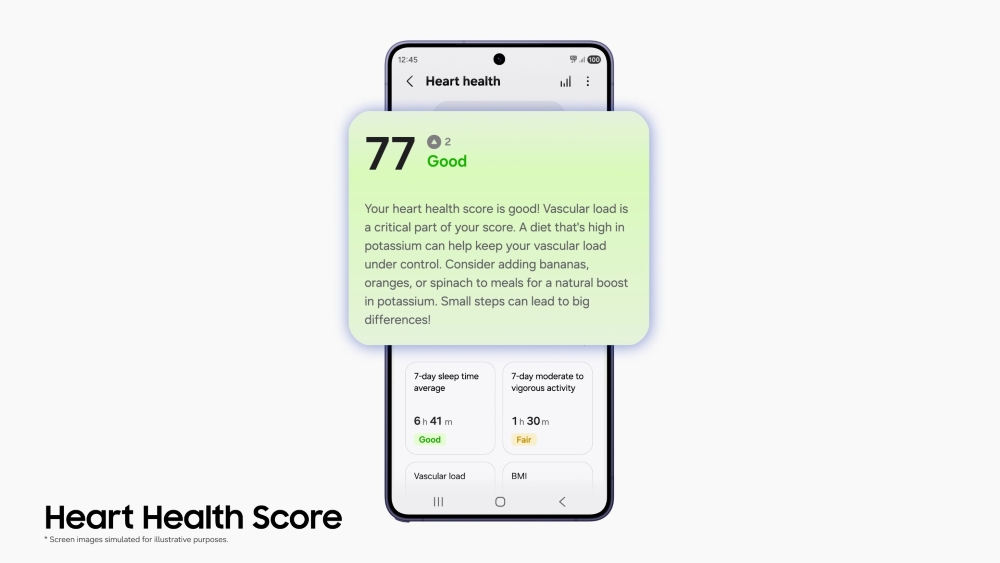
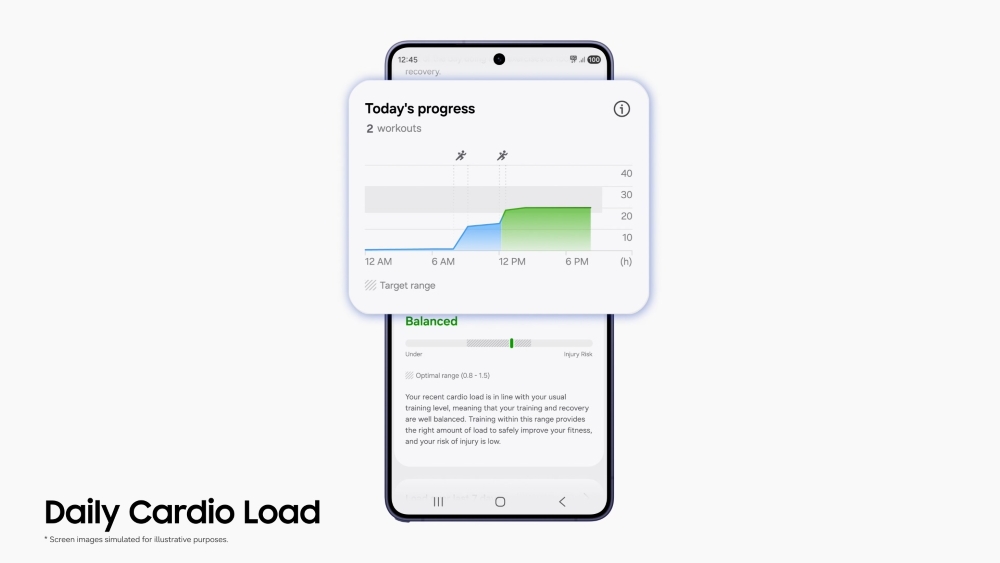
Around it sit several composite scores. Heart Health Score folds sleep, stress, activity and body composition into one daily figure aimed at long term cardiovascular wellbeing. Daily Cardio Load measures the strain of aerobic exercise and proposes a training target and a recovery window. Fitness Index sets heart rate, VO2 max and daily steps against a peer group. An Energy Score, an Antioxidant Index with trend charts, an AGE Index measured overnight, and a Hearing Health feature that samples ambient noise through the watch fill out the rest.
All of these are wellness measures rather than clinical ones, and Samsung presents them that way. A score moving in the wrong direction is a prompt to look at something, not a diagnosis.
Why Samsung Health is free when its rivals are not
The pricing is the clearest difference between Samsung Health and what it competes with. An owner of a compatible Galaxy Watch or Galaxy Ring gets the full set of features, including the AI derived scores, at no charge. Google has moved the equivalent tier of its own health platform behind a monthly subscription, having wound down Fitbit in its favour.
The reason is not generosity, and it is worth stating plainly. Samsung sells watches and rings. The app is the thing that makes the next watch worth buying and makes leaving for another brand cost the owner their history. Free software is the cheaper half of that arrangement.
The hardware catch nobody advertises
The most useful features arrive on the newest hardware first. Vitals, Heart Health Score, Daily Cardio Load and Fitness Index were announced as landing first on the forthcoming Galaxy Watch, and Samsung has not published a device by device list saying which existing watches will eventually get them. Independent coverage of the June 2026 update led on exactly this point.
The base requirements are more concrete. The app needs Samsung Health version 7.0 or later, Android 10 or later, and a signed in Samsung account. Samsung also states that feature availability, supported devices and rollout timing vary by market and by model, which in practice means a feature announced globally may not appear on a given watch in a given country for some time, if at all.
Anyone buying a Galaxy Watch specifically for a feature they read about should confirm that feature works on that exact model in their own country before paying for it.
What to weigh against the nearest rival
Against Apple Health the comparison is mostly about which phone is already in the buyer's pocket, because Apple Health does not exist on Android and Samsung Health is an Android application. Where Apple has the clearer hand is in saying which metrics need which generation of sensor. Samsung leaves that undefined, which turns an upgrade decision into guesswork.
Against Google Health the trade is money for openness. Google charges for its coaching tier but is not tied to one manufacturer's wearables. Samsung charges nothing but expects the wearable to be a Galaxy.
Against a dedicated training platform such as those used by endurance athletes, Samsung Health is broader and shallower. It covers sleep, food and stress alongside exercise, where a training platform covers exercise in far more depth and ignores the rest.
Who should use something else
Anyone on an iPhone should stop here. Samsung Health is an Android application and the wearables that make it worthwhile pair best with a Galaxy phone.
Anyone unwilling to hold a Samsung account should look elsewhere, because the account is not optional and the data sits in it.
Anyone training seriously for an endurance event will find the analysis thin next to a purpose built training platform, and will want a device with the route and power data those platforms expect.
Anyone who wants a clinical record rather than a wellness one is in the wrong place. These are consumer measurements taken through a watch band, and no score here replaces a conversation with a doctor.
And anyone whose existing watch is a few generations old should check the support position before updating in the hope of new features, because the current answer from Samsung is that it depends.
Reviews
No reviews yet
Nobody has reviewed Samsung Health here yet.