About Galaxy Watch
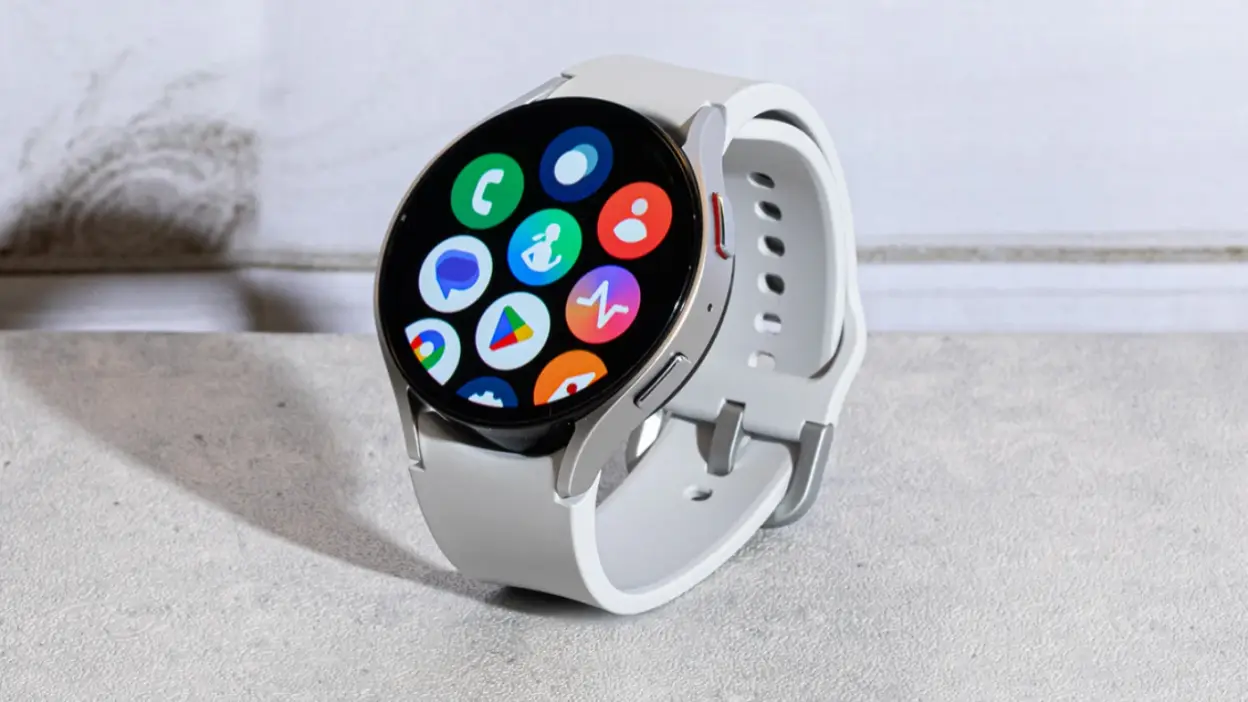
Galaxy Watch is Samsung's smartwatch line, running Wear OS with Samsung's One UI Watch layered on top and Samsung Health doing the tracking. It is the wrist half of the Galaxy range: notifications, payments and calls when your phone is in a bag, and a fairly serious set of health sensors the rest of the time. The important constraint comes first, because it decides the purchase for a lot of people. Galaxy Watch pairs with Android phones only. Samsung states that the current Galaxy Watch9 needs a phone running Android 13 or later, and there is no iPhone support. If you carry an iPhone, stop here and look at an Apple Watch instead.
Key specifications
Platform
| Operating system | Wear OS with Samsung One UI Watch |
|---|
Compatibility
| Phone required | Android only. The Galaxy Watch9 requires a phone running Android 13 or later. No iPhone support |
|---|
Health
| Health app | Samsung Health |
|---|
What are the tiers in the Galaxy Watch line?
There are usually two or three, and they are not just size options.
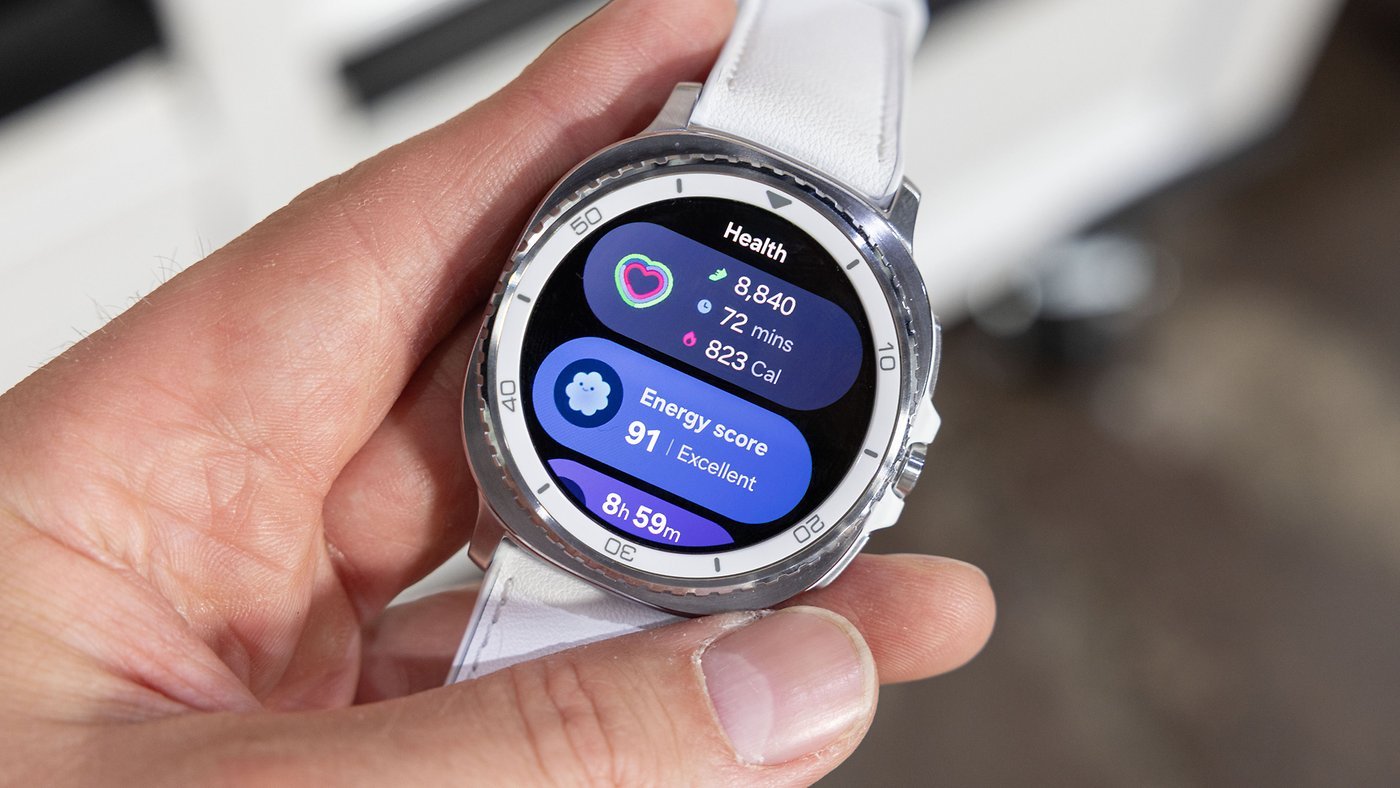
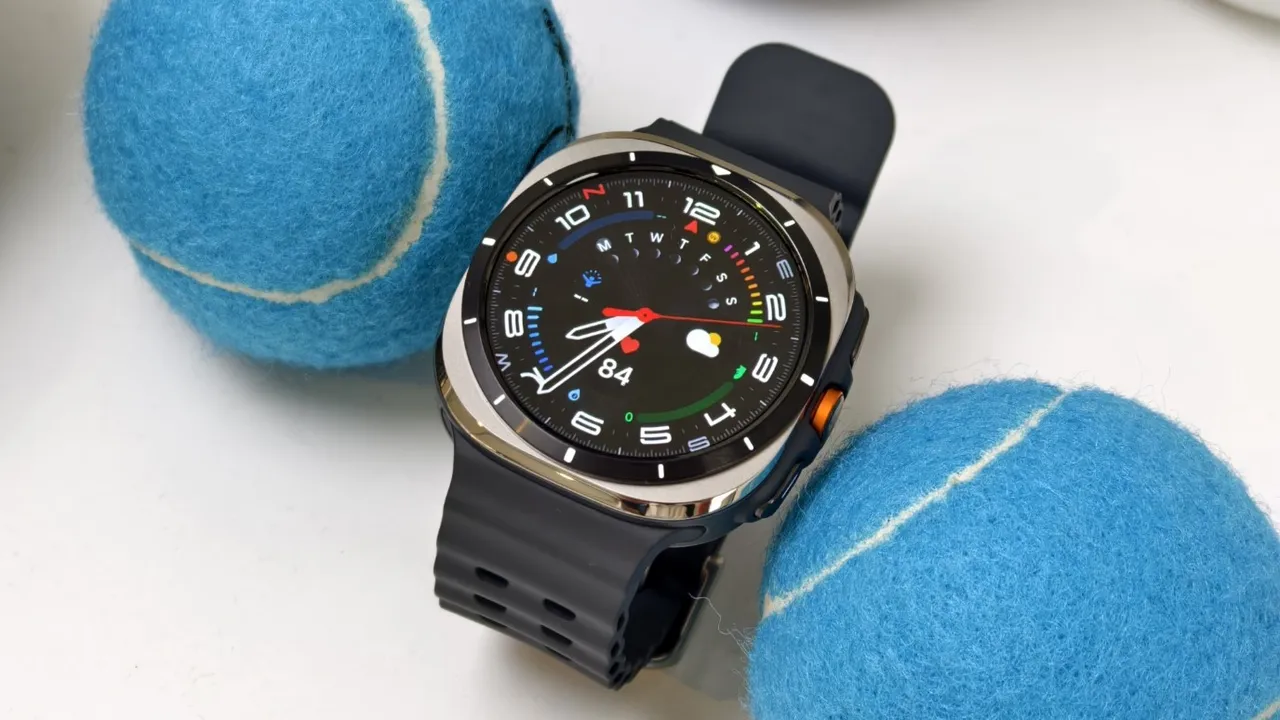
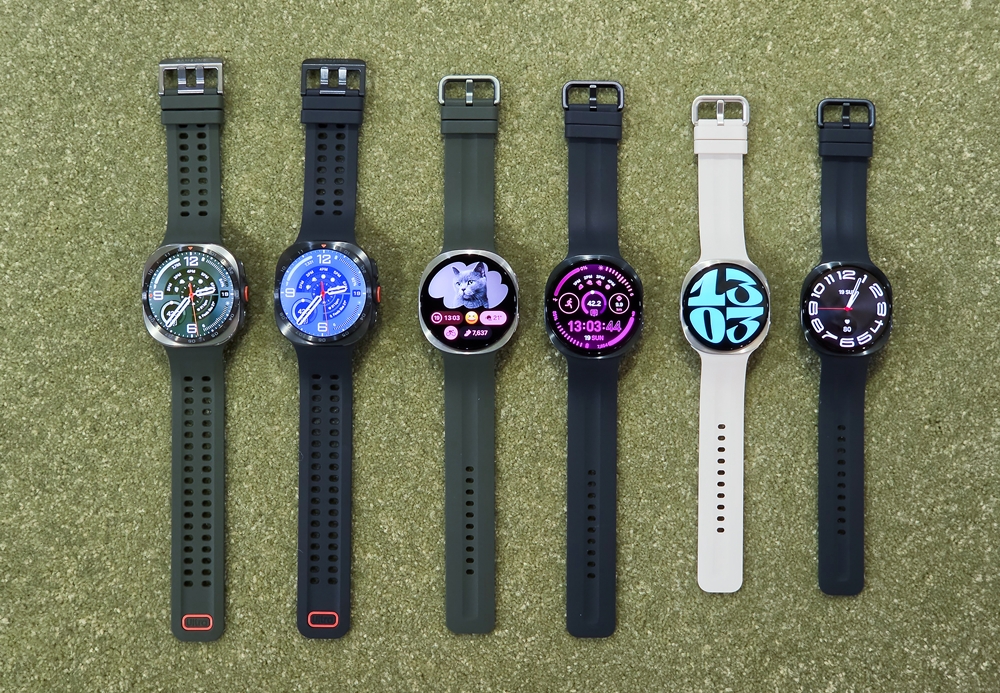
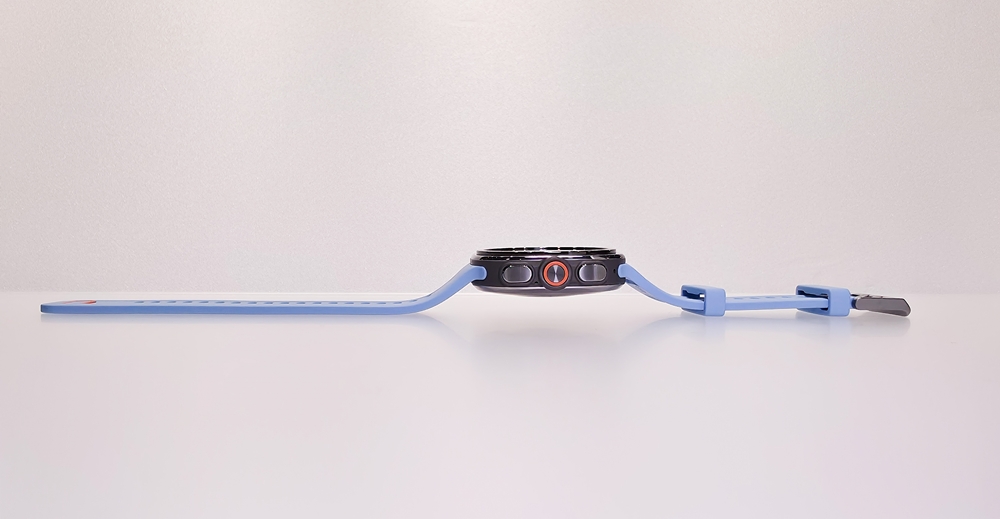
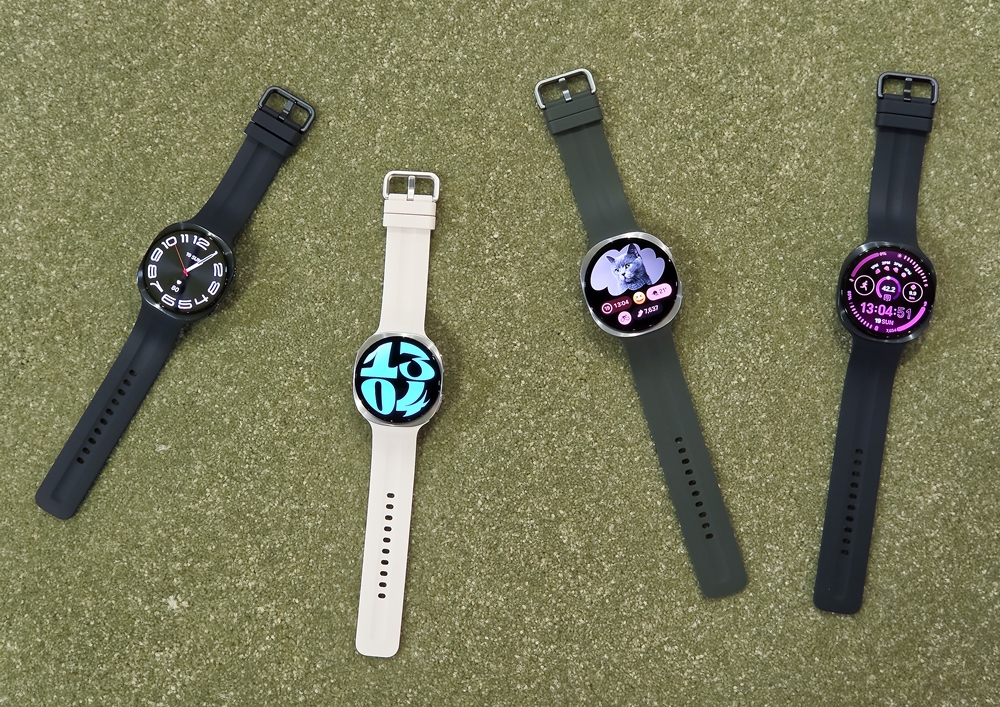
The standard Galaxy Watch is the volume model: two case sizes, aluminium, the widest colour choice and the lowest price. The Galaxy Watch Ultra sits above it as a single larger case built for outdoor and endurance use, with a much bigger battery, a brighter screen and tougher ratings. In some generations Samsung has also sold a Classic, a heavier stainless steel version with a physical rotating bezel for scrolling the interface.
The Classic is the one to watch for, because it does not appear every year. The 2026 generation launched as the Galaxy Watch9 and the Galaxy Watch Ultra2, with no Classic alongside them. If the rotating bezel is what you want, check what is actually on sale rather than assuming the range is fixed.
At 2026 US prices the ladder ran from 379.99 dollars for the 40mm Watch9, to 409 dollars for the 44mm, to 699.99 dollars for the Watch Ultra2. Cellular versions cost roughly 50 dollars more than their Bluetooth equivalents.
What does the health tracking actually measure?
More than most people expect, and this is the strongest reason to buy one.
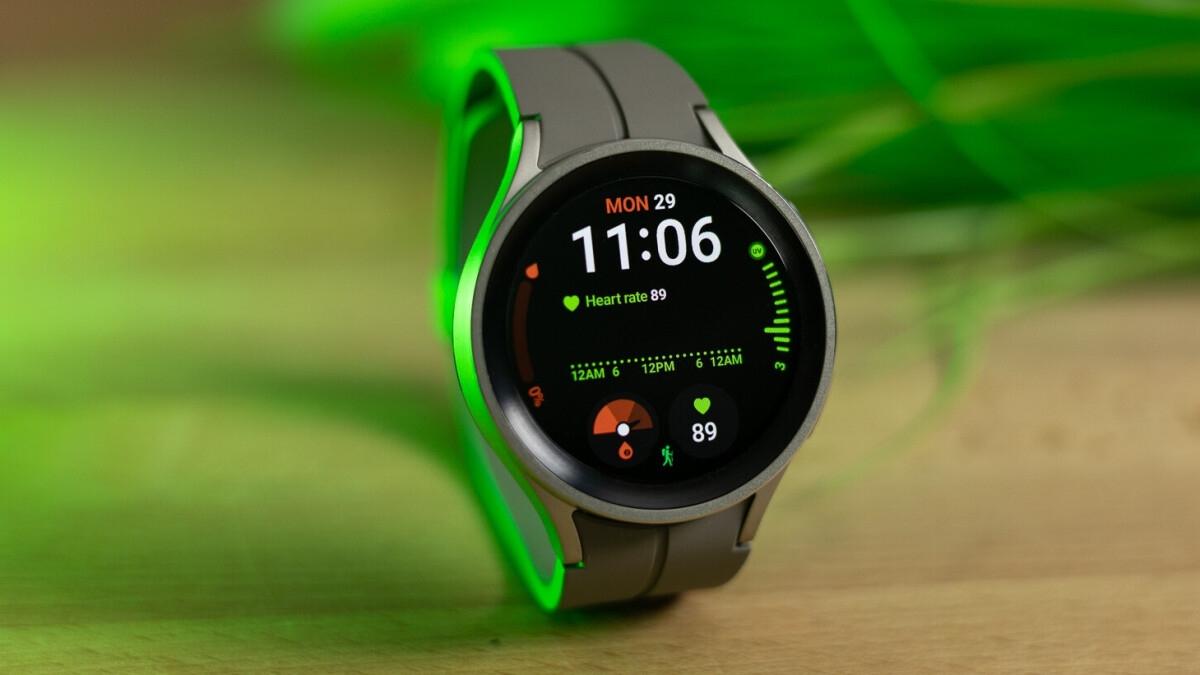
The sensors cover heart rate and heart rate variability, blood oxygen, skin temperature, respiratory rate and body composition. On top of those, Samsung Health builds scores rather than raw numbers: a Heart Health Score that blends activity, sleep, body composition and stress, a Fitness Index, and a Daily Cardio Load figure aimed at telling you whether to train hard or recover.
Sleep is the standout. The line carries sleep apnea detection, which Samsung upgraded in 2026 with an algorithm that sorts breathing disruptions into categories rather than flagging them as one event type. The 2026 generation also added hearing health monitoring, which tracks ambient noise and how loud you are playing your earbuds.
One caveat worth saying plainly: these are wellness features, not medical devices, and availability of specific health features varies by country and by regulator. Check what is enabled where you live before you buy for one feature.
What changed in the 2026 generation?
Samsung showed the Galaxy Watch9 and Galaxy Watch Ultra2 at Unpacked in July 2026, with sale dates in the first week of August.
The biggest shift was silicon. Both moved from Samsung's own Exynos chips to a Snapdragon Wear Elite processor. Screens got brighter, with the Watch9 quoted at up to 3,000 nits and the Ultra2 considerably higher again, which matters more than it sounds if you run or cycle in daylight.
Battery is where the two diverge. Samsung put an 800mAh cell in the Watch Ultra2, 35 percent more than the previous Ultra, while making the case around 12 percent thinner. The standard Watch9 gained capacity too, though reviewers noted the smaller 40mm case benefited least from it, which is the usual pattern and worth remembering if you have small wrists and long days.
Prices rose across the range compared with the previous generation.
What should you weigh it against?
The Apple Watch is the obvious rival and the comparison is short, because it is decided by your phone rather than by the watch. Apple Watch needs an iPhone, Galaxy Watch needs an Android phone, and neither crosses over. Nobody should switch phone platforms over a watch.
Within Android the real competition is the Pixel Watch, plus Garmin and Whoop at the fitness end. Pixel Watch is closer to Galaxy Watch on features and often on price, and the choice usually comes down to which phone you carry and which health app you want to live in. Garmin wins on multi-day battery and on serious training data, and loses on smartwatch behaviour like replying to messages.
Inside Samsung's own range, weigh the Watch Ultra against the standard model on battery rather than on looks. If you charge nightly anyway, the extra capacity buys you less than the price gap suggests.
Who should buy something else?
If you use an iPhone, buy an Apple Watch. There is no workaround, and no amount of feature comparison changes it.
If you want a week or more between charges, buy a Garmin or a hybrid watch. Galaxy Watch battery life is measured in days at best, and in a day and a half if you leave the screen always on and track workouts.
If you want the health data without a screen on your wrist, look at the Galaxy Ring instead. It covers sleep and activity, lasts far longer per charge, and does not buzz at you.
And if you are buying purely for one specific health metric, check that it is approved and switched on in your country first. Feature availability on this line genuinely varies by market, and it is a frustrating thing to discover after the box is open.
Where to buy
Links go to the seller, not through us. We take no commission and these are not affiliate links, so the order below says nothing about who pays what. Prices and stock change constantly, so check on the day.
Reviews
No reviews yet
Nobody has reviewed Galaxy Watch here yet.