About Galaxy S Ultra
Galaxy S Ultra is the top model in Samsung's Galaxy S range, sold each year alongside the base Galaxy S and the larger Plus. It is the phone Samsung uses to carry whatever it is not yet willing to put in the cheaper two: the longest camera reach in the range, the largest and highest resolution display, the biggest memory and storage ceiling, and the S Pen, which among Samsung's phones only the Ultra still keeps in a slot in the body. The line dates from the Galaxy S20 Ultra in 2020 and absorbed the role of the Galaxy Note after Samsung retired that name. Every generation has been the most expensive phone in the Galaxy S range. The current one, the Galaxy S26 Ultra, starts at 1,299.99 US dollars for 256GB on Samsung's own US store.
What separates the Ultra from the Galaxy S and the Galaxy S Plus
The base Galaxy S and the Plus differ from each other mostly in screen and battery size. The Ultra is a different phone, and three things repeat across generations.
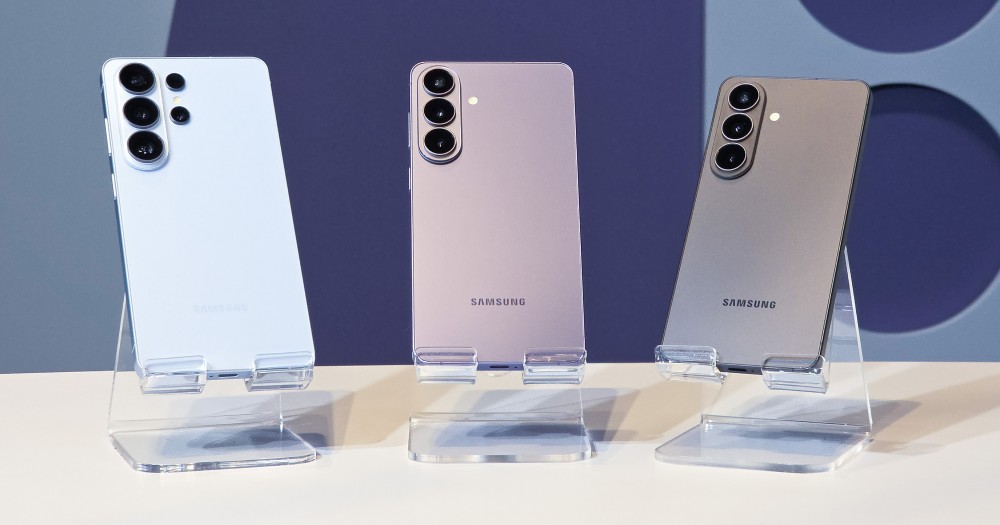
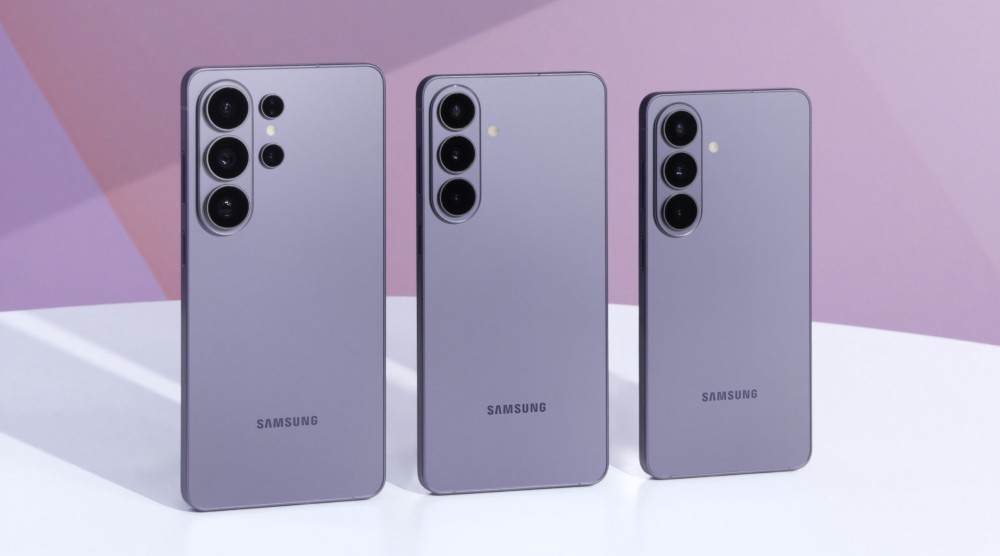
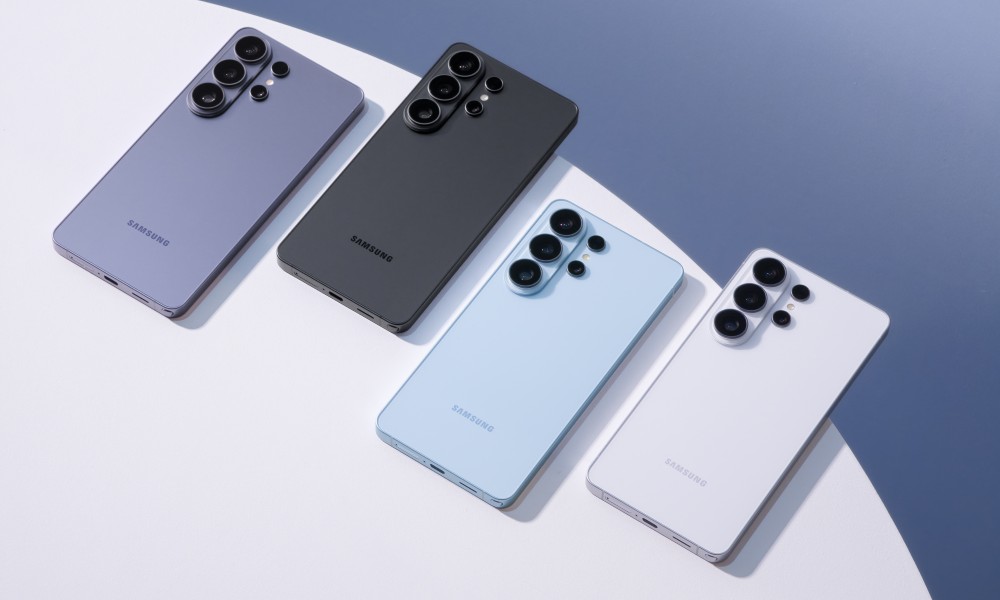
First, the telephoto hardware. The Ultra carries longer optical reach than the other two models. On the Galaxy S26 Ultra that is a 50MP telephoto at 5x optical alongside a 10MP telephoto at 3x, plus a 200MP main wide camera and a 50MP ultra wide.
Second, the display. It is the largest in the range and runs at the higher resolution: 6.9 inches, QHD+ AMOLED at 120Hz adaptive refresh on the current generation.
Third, the S Pen, which the cheaper two do not support at all.
The Ultra also sets the memory ceiling. On the current generation the 1TB configuration ships with 16GB of RAM, while the 256GB and 512GB versions carry 12GB.
What the S Pen does, and what it stopped doing
The S Pen is the reason a lot of former Galaxy Note owners moved to this line, so it is worth being clear about what it is now.
It still writes and draws on the screen with pressure sensitivity, still takes screen off memos, and is still the precise way to select small things. It still lives in a slot in the phone rather than clipping to the outside.
What it lost was Bluetooth. Earlier Ultra models and the Note used it for air gestures and as a remote camera shutter. That went with the Galaxy S25 Ultra and has not come back: reviewers covering the Galaxy S26 Ultra describe the stylus as unchanged from the previous year.
If you wanted the Ultra for the remote shutter, that reason is gone. If you wanted it to write on the screen, nothing has changed.
How far the camera actually reaches
The 200MP number on the main sensor gets the headline, but it is not what separates the Ultra from a good cheaper phone. The telephoto is.
The current generation pairs a 50MP 5x telephoto with a 10MP 3x, and Samsung markets a 100x digital crop on top of that. The optical figures are the ones worth planning around. A 100x crop is a crop.
The change on the Galaxy S26 Ultra was light, not reach. Samsung widened the main camera to f/1.4 from f/1.7 and the 5x telephoto to f/2.9 from f/3.4. Engadget's hands on put the main lens gain at roughly 47 percent more light. Reach stayed where it was.
What changes between generations and what does not
Treating the Ultra as a fixed product catches buyers out, because Samsung has moved things that people assume are settled.
Materials have moved in both directions. The Galaxy S25 Ultra used a grade 5 titanium frame. The Galaxy S26 Ultra went back to Armor Aluminum, with Gorilla Glass Armor 2 on the front and Gorilla Glass Victus 2 on the back.
Size crept up to 6.9 inches with the Galaxy S25 Ultra and stayed there. The current model measures 78.1 by 163.6 by 7.9mm and weighs 214g.
The battery has sat at 5,000mAh across several generations while charging speed moved, reaching 60W wired and 25W wireless on the current model, which Samsung rates at up to 75 percent in about 30 minutes.
The practical advice is to check the specific generation on sale rather than the line.
What to weigh it against
Against Apple, the comparison is the largest iPhone Pro model at a similar price. The trade has been consistent for several years: Samsung offers longer optical zoom and a stylus, Apple has been rated ahead on video. Which matters depends on whether you shoot more stills or more video, and on which ecosystem your other hardware is in.
Against Google, the Pixel Pro line sits below the Ultra on price and competes on computational photography rather than optical reach.
Inside Samsung's own range the real competition is the Galaxy S Plus, which shares the generation's processor and general performance for a lot less money, and the Galaxy Z Fold, which costs more and trades some camera hardware for a folding display.
Who should buy something else
Most people who consider the Ultra should buy the Galaxy S Plus instead. If you do not use a stylus and rarely shoot past 3x, you are paying several hundred dollars for two features you will not touch, and the rest of the phone is close.
If you want to use a phone one handed, this is the wrong shape. At 214g and 163.6mm tall it is a large device and it does not get smaller.
If you already own last year's Ultra, reviewers covering the current generation say the year on year change does not justify replacing it. The upgrade case is much stronger from a phone that is three or four years old.
If magnetic accessory charging is part of your setup, note that Samsung still has not built a magnet ring into the Ultra, and Engadget criticised that choice on the current model.
If price is the binding constraint, the Galaxy A line covers the middle of the market and shares the software rather than the hardware.
Where to buy
Links go to the seller, not through us. We take no commission and these are not affiliate links, so the order below says nothing about who pays what. Prices and stock change constantly, so check on the day.
Reviews
No reviews yet
Nobody has reviewed Galaxy S Ultra here yet.