About Galaxy S Plus
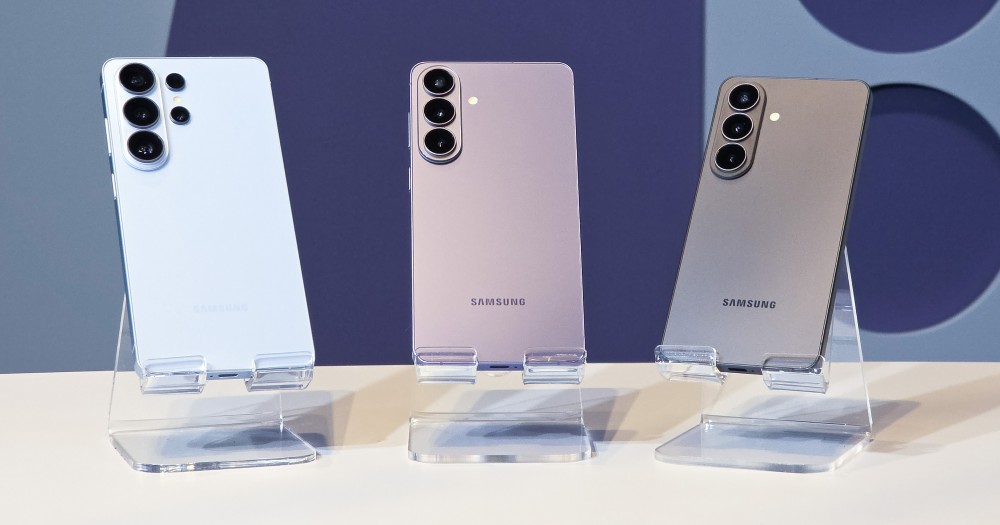
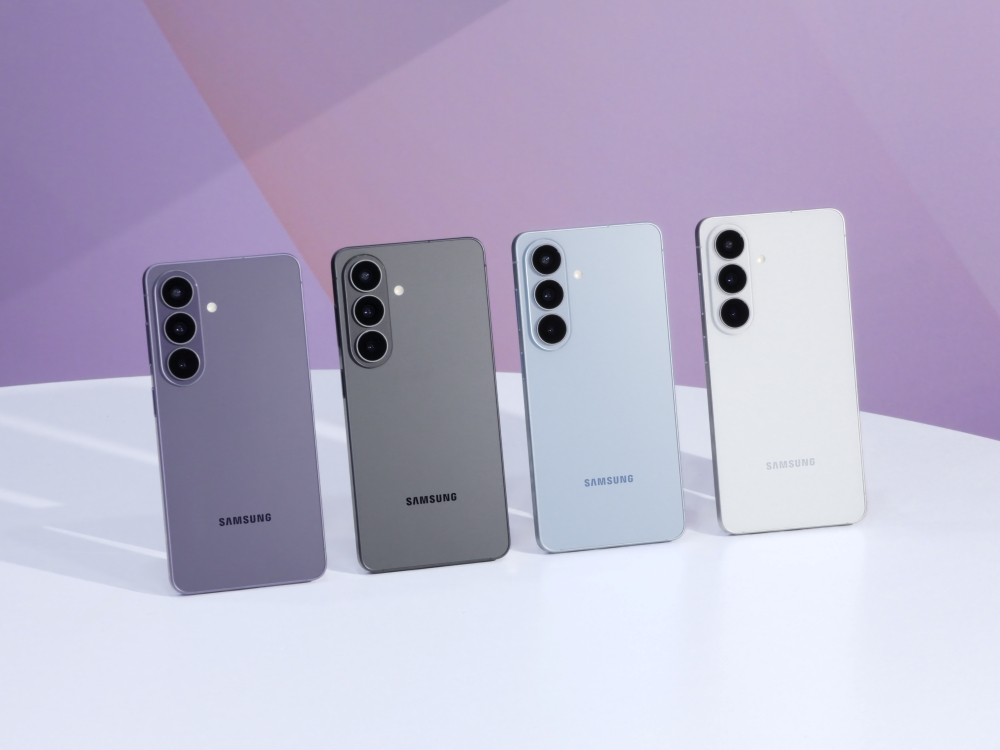
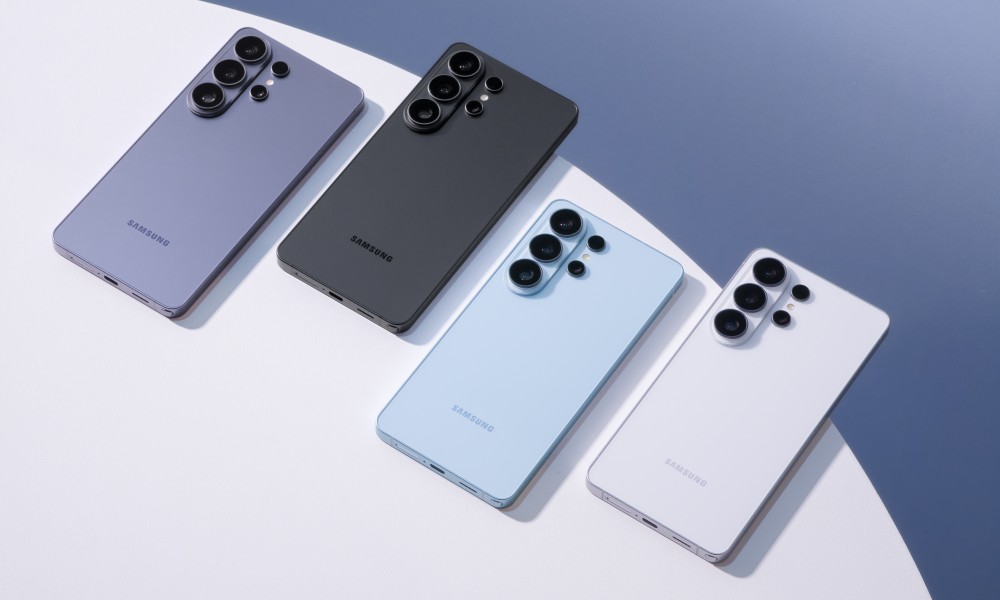
Galaxy S Plus is the middle model of Samsung's flagship trio, and the simplest of the three to explain: it is the standard Galaxy S in a larger body, with the bigger screen and the bigger battery that the extra room allows. It is not a different class of phone. Across generations it has carried the same processor as the base model, the same main camera hardware and the same software, and the money buys size and endurance rather than capability.
That makes it the easiest Galaxy to recommend and the hardest to get excited about, which is roughly what happened to it. In 2025 Samsung tried replacing the Plus with the Galaxy S25 Edge, a much thinner phone at a similar position in the range. The Edge sold poorly, and Samsung confirmed in early 2026 that it was dropping the planned S26 Edge and returning to the Plus, restoring the three phone lineup it has run for years. The line survived because it is the model most people actually want, not because it is the one Samsung most wants to sell.
What the Plus adds over the standard Galaxy S
Two things, consistently: display and battery.
On the current generation, the Galaxy S26 Plus carries a 6.7 inch Dynamic LTPO AMOLED 2X panel at 1440 by 3120 and 120Hz, around 516 pixels per inch. The base S26 uses a smaller panel at a lower resolution, so the step up is not only physical size but sharpness. Battery follows the same pattern: the S26 Plus holds 4,900 mAh with 45W wired charging, quoted by Samsung at up to 69 percent in around 30 minutes, and 20W wireless over Qi2.2.
What does not change is the engine. The S26 Plus runs the same silicon as the rest of the line, a Snapdragon 8 Elite Gen 5 in the United States and China and an Exynos 2600 elsewhere, with 12 GB of memory and a choice of 256 GB or 512 GB. There is no memory card slot. The phone measures 158.4 by 75.8 by 7.3 mm and weighs 190 g, which is a large phone by any honest measure but not a heavy one.
The practical read: if you are choosing between the base model and the Plus, you are choosing whether you want a bigger screen and a longer day. You are not choosing more speed.
What the Ultra has that the Plus does not
The Ultra is where Samsung puts the hardware that costs real money. The current Ultra carries two telephoto cameras, at 3x and 5x, where the Plus has one 3x telephoto at 10 MP. It has the S Pen. It has a larger 6.9 inch display, and it typically sits a few hundred dollars above the Plus.
One detail cuts the other way and is worth knowing. Because the Ultra and the Plus have used the same 1440 by 3120 resolution while the Ultra stretches it over a bigger panel, the Plus has ended up with the higher pixel density of the two. That is a small thing, but it means the Plus is not a compromised screen. It is a smaller one.
If you do not use an S Pen and do not shoot at long zoom, the Ultra premium buys you very little that you will notice day to day. That is the honest version of the comparison, and it is the reason the Plus keeps existing.
Why the Edge experiment matters to this line
The Galaxy S25 Edge was Samsung's attempt to answer a different question in the same slot: instead of a bigger phone, a dramatically thinner one. It did not work commercially. Samsung officials confirmed that sales of the S25 Edge were below par and that the S26 Edge would not launch, with the Plus taking its place in the 2026 lineup.
This is useful for anyone deciding how much to trust the line's future. Samsung tested the market's appetite for replacing the Plus and got a clear answer, which makes the Plus more likely to persist than most middle models. It also means that if thinness was what appealed to you about the Edge, there is no current Samsung flagship that offers it, and there is no announced plan to bring one back.
Who this line is for
The Plus suits a buyer with a specific and common set of priorities. You want a large screen for reading, video and maps. You want the battery to get through a heavy day without thinking about it. You want current flagship performance and the long software support Samsung gives its flagship line. And you do not want to pay for, or carry, an Ultra.
It is also the sensible choice for anyone who finds the base model's battery marginal. Across generations the base Galaxy S has been the model most often criticised for endurance, and the Plus is the direct fix for that complaint without changing anything else about the phone.
One more group: people replacing an older large phone who want continuity rather than novelty. The Plus is deliberately the least surprising phone Samsung makes.
Who should buy something else
Buy the Ultra if photography is a real priority. The second telephoto and the longer reach are the clearest hardware gap in the range, and no amount of processing on the Plus closes it. Buy the Ultra too if you want the S Pen, which the Plus has never offered.
Buy the base Galaxy S if you use your phone one handed or put it in a small pocket. The Plus is a genuinely large device, and reviewers who prefer it are usually people who already carry a large phone.
Buy last year's Plus if the budget is tight. Because this line changes slowly, a previous generation Plus keeps the same size, the same broad camera behaviour and a similar screen for a substantially lower price, and it is one of the better value positions in Samsung's whole range.
Look outside Samsung if you need a memory card slot, since the line does not have one, or if you want a compact flagship, since Samsung's answer to that is the base model rather than anything smaller.
And note that figures on this page describe the current generation. This is a line that has run for many years, and the specifications move every February even though the idea behind the phone does not.
Reviews
No reviews yet
Nobody has reviewed Galaxy S Plus here yet.