About Galaxy S
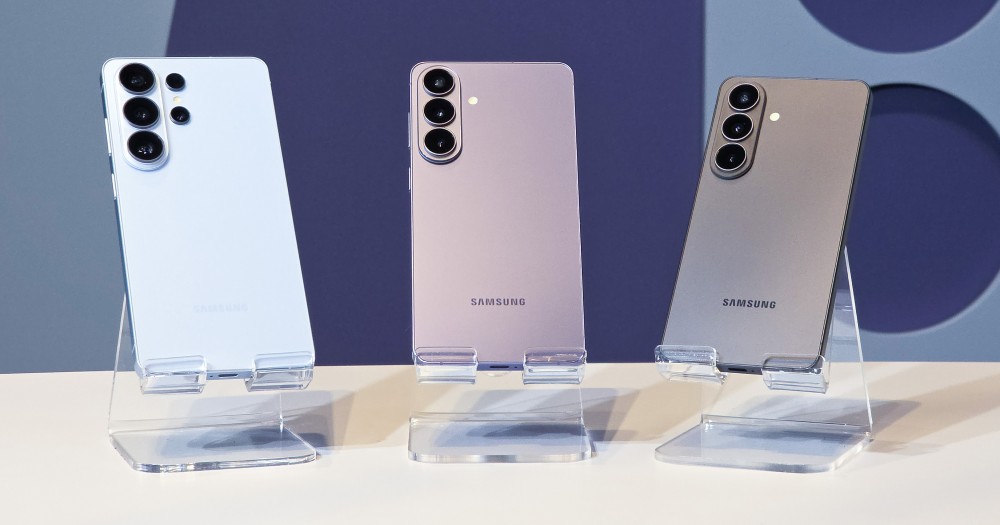
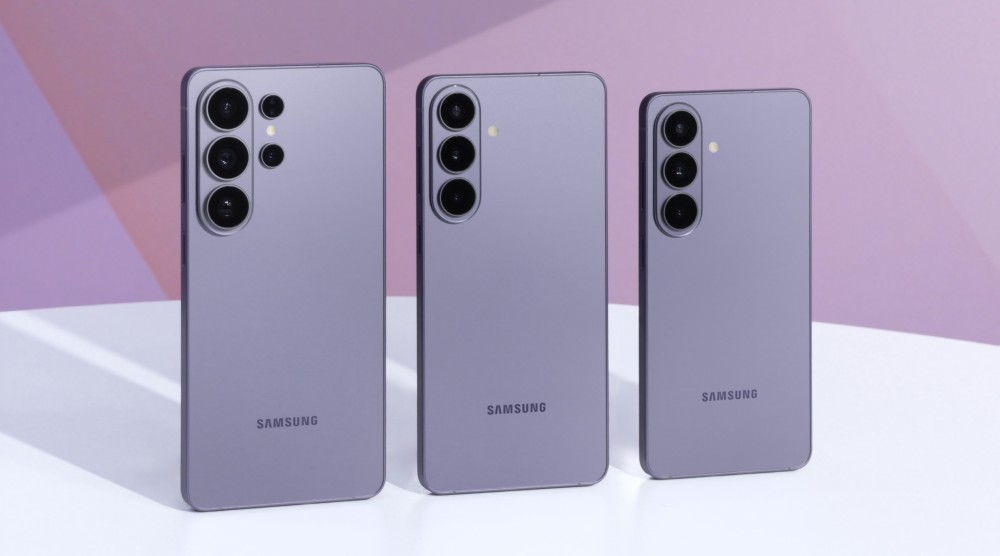
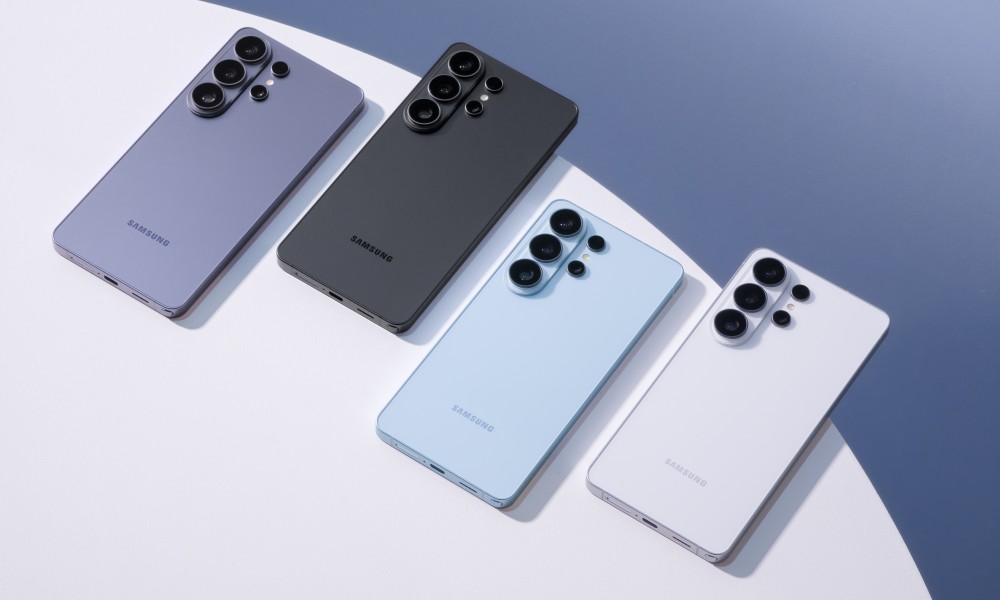
Galaxy S is Samsung's flagship phone line, and has been since the first one arrived in 2010. It is where the newest silicon shows up, where Samsung puts the best camera hardware it is willing to ship that year, and where each new version of One UI lands before anything else. Features that start here usually reach the cheaper Galaxy A range a generation or two later, in reduced form. One thing to understand before shopping: a Galaxy S generation is not one phone. It splits into tiers that share a name and a launch date but differ enough in camera, size and price that they are really separate buying decisions. The 2026 generation, shown at Unpacked in February 2026, runs to three models.
Key specifications
Platform
| Operating system | Android with Samsung One UI |
|---|
Support
| Software support | Seven years of Android upgrades and security updates, from the Galaxy S24 generation onward |
|---|
Where does the Galaxy S sit in Samsung's phone range?
Samsung sells phones at almost every price, and Galaxy S is the top of the conventional ones. Below it, Galaxy A covers budget and mid-range buyers with slower chips, simpler cameras and shorter support. Beside it, Galaxy Z folds, which buys a different shape at a higher price and a different set of compromises around thickness and durability.
So Galaxy S is the line for people who want Samsung's best hardware in an ordinary slab phone. No hinge, no cost-cutting on the processor, and first in the queue for software.
That ordering is worth knowing when you shop the rest of the range. A mid-range Galaxy bought today often runs features that started life on a Galaxy S two or three years ago.
What separates the base, Plus and Ultra models?
The gap between tiers is wider than the shared name suggests, and the 2026 generation is a fair illustration. Samsung announced the Galaxy S26, Galaxy S26 Plus and Galaxy S26 Ultra in February 2026 at US starting prices of 899.99, 1,099.99 and 1,299.99 dollars.
All three run the Snapdragon 8 Elite Gen 5 for Galaxy and start at 12GB of memory with 256GB of storage, so outright speed is not what the extra money buys. The Plus mainly buys screen and battery. The Ultra buys the camera system, a 200-megapixel main sensor and a 50-megapixel telephoto rated at 5x optical zoom, along with the S Pen and, this generation, a Privacy Display that limits side-angle viewing without a stick-on filter.
The pricing direction matters too. For 2026 Samsung raised the base and Plus by 100 dollars each while holding the Ultra flat, which quietly narrows the distance to the top model. Several reviewers read that as a deliberate nudge toward the Ultra. Treat the tier prices as a set and compare the whole ladder rather than the entry number.
Who is the Galaxy S for?
It suits people who keep a phone for a long time. Samsung commits to seven years of Android upgrades and seven years of security patches on the Galaxy S26 series, a policy it started with the Galaxy S24, which changes the arithmetic on a high launch price considerably.
It also suits people who care about zoom photography, since the dedicated telephoto on the Ultra is the part of the range with no real equivalent lower down, and anyone who actually writes or draws on a phone and will use the S Pen.
And it suits Android buyers who want the most complete hardware without leaving Android. That sounds obvious, but it is the practical reason most Galaxy S sales happen.
What should you weigh it against?
The nearest rivals are Apple's iPhone Pro models and Google's Pixel Pro line, and each wins on something different.
Against the iPhone, the decision is mostly about which ecosystem you already own. Watches, tablets, laptops and messaging habits move the answer more than any camera comparison will. If your household is already on Apple hardware, the switching cost is real and the phone hardware is close enough that it rarely overturns it.
Against the Pixel, the trade is different. Pixel tends to be cheaper at the same tier and strong on computational photography, while Galaxy S tends to be stronger on display, zoom hardware and the S Pen. Samsung also sells at scale through carriers, so trade-in and instalment offers are usually easier to find, which can matter more than list price.
If you want to compare inside Samsung's own range, weigh the Galaxy S Ultra against a Galaxy Z Fold before assuming the slab is the right shape.
Who should buy something else?
If you mostly message, browse and take everyday photos, a Galaxy A does that well for a fraction of the money, and the difference shows up only in low light and at long zoom. Buying the flagship for those tasks is money spent on capability you will not reach.
If you want the Ultra only for the S Pen and are honest that you would use it twice a year, buy the base or Plus and put the difference toward storage or a case.
If you are already carrying a Galaxy S from the last generation or two, the year-on-year change is small. The seven-year update commitment cuts both ways: your current phone is supported for a long time, so waiting costs you less than it used to.
And if everything else you own is made by Apple, an iPhone will fit your life better than a spec sheet suggests. That is not a knock on the hardware. It is just how phones work now.
Where to buy
Links go to the seller, not through us. We take no commission and these are not affiliate links, so the order below says nothing about who pays what. Prices and stock change constantly, so check on the day.
Reviews
No reviews yet
Nobody has reviewed Galaxy S here yet.