About Galaxy Ring
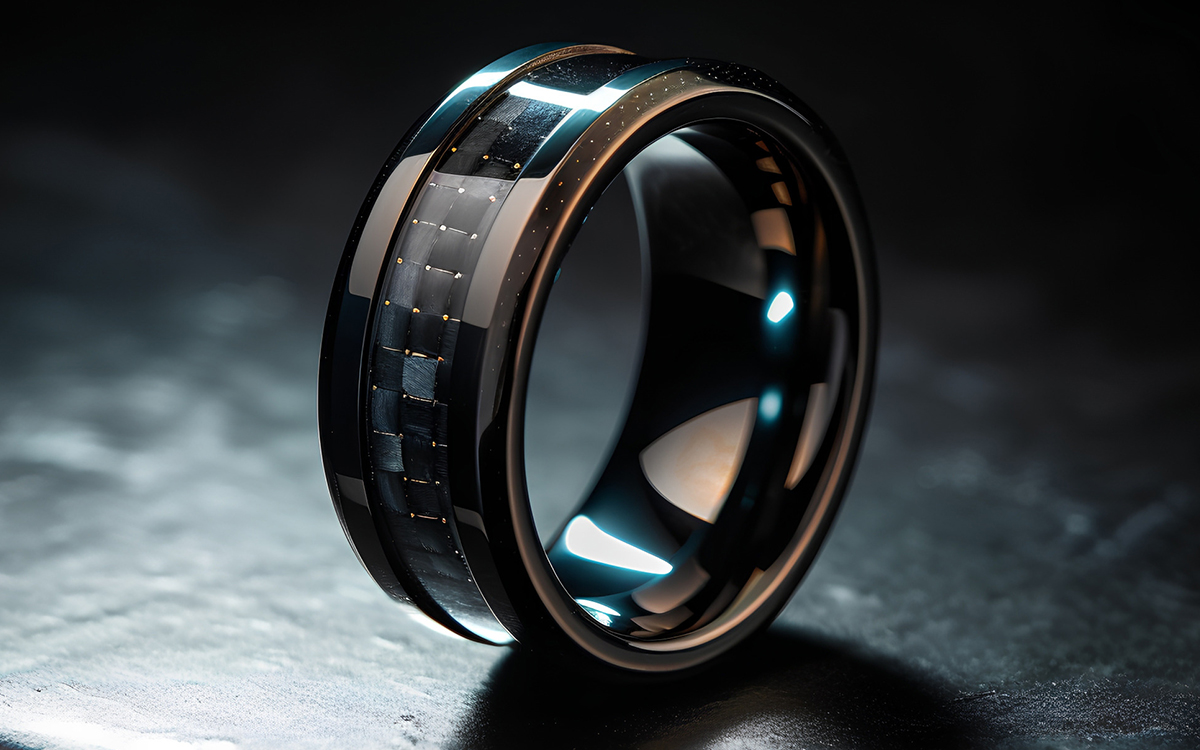
The Galaxy Ring is Samsung's smart ring: a titanium band worn on a finger that measures sleep, heart rate, skin temperature and movement, and feeds the results into Samsung Health. It is the smallest thing Samsung makes that tracks health continuously, and it exists because a watch is a poor sleep tracker for anyone who does not enjoy sleeping in one. The line is sold in nine US sizes, from 5 to 13, and in three titanium finishes: Titanium Black, Titanium Silver and Titanium Gold. Every ring in the line carries the same three sensors and the same charging case. What changes with size is battery capacity, and therefore how long the ring runs between charges.
Key specifications
Build
| Material | Titanium |
|---|---|
| Sizes | US 5 to 13 (nine sizes) |
| Finishes | Titanium Black, Titanium Silver, Titanium Gold |
| Water resistance | 10ATM and IP68 |
Sensors
| Sensors | Accelerometer, optical bio-signal sensor, skin temperature sensor |
|---|
Battery
| Battery life | Up to 7 days per charge for sizes 12 and 13; up to 6 days for smaller sizes |
|---|---|
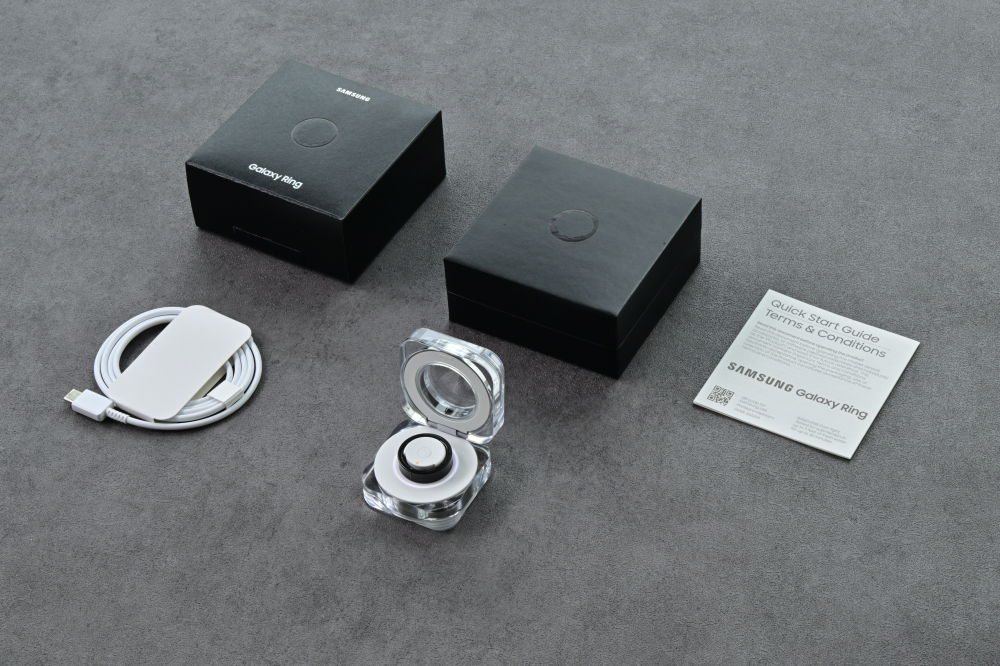
| Charging | Wireless charging case with its own battery |
Software
| Companion app | Samsung Health |
|---|---|
| Phone support | Android only |
Where the Galaxy Ring sits in Samsung's wearable range
Samsung's wearables split into two jobs. The Galaxy Watch line handles anything that wants a screen: notifications, satellite-tracked runs, payments on the wrist. The Galaxy Ring handles the part of the day a watch is worst at, which is the eight hours you are asleep. It has no screen, no speaker and no positioning radio, and that is the point of it.
Samsung presents the two as complementary rather than as alternatives, and Samsung Health will combine readings from both if you wear them together. If you already own a Galaxy Watch and keep it on overnight, the ring buys comfort rather than data. If you take the watch off at bedtime, the ring is the piece that closes the gap.
What the ring measures, and what it does not
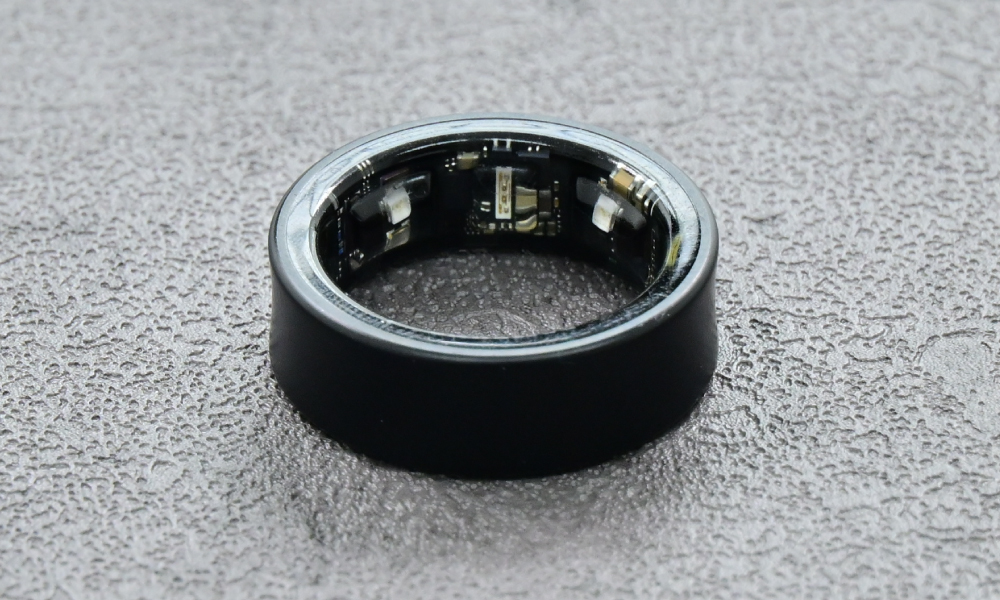
Three sensors sit inside every ring in the line: an accelerometer for movement and step counting, an optical bio-signal sensor for heart rate, and a skin temperature sensor used mainly for sleep and cycle tracking. From those, Samsung Health produces sleep stages, snore detection, heart rate over the night, automatic workout detection, menstrual cycle estimates, and an Energy Score that rolls the night's readings into a single number for the day ahead.
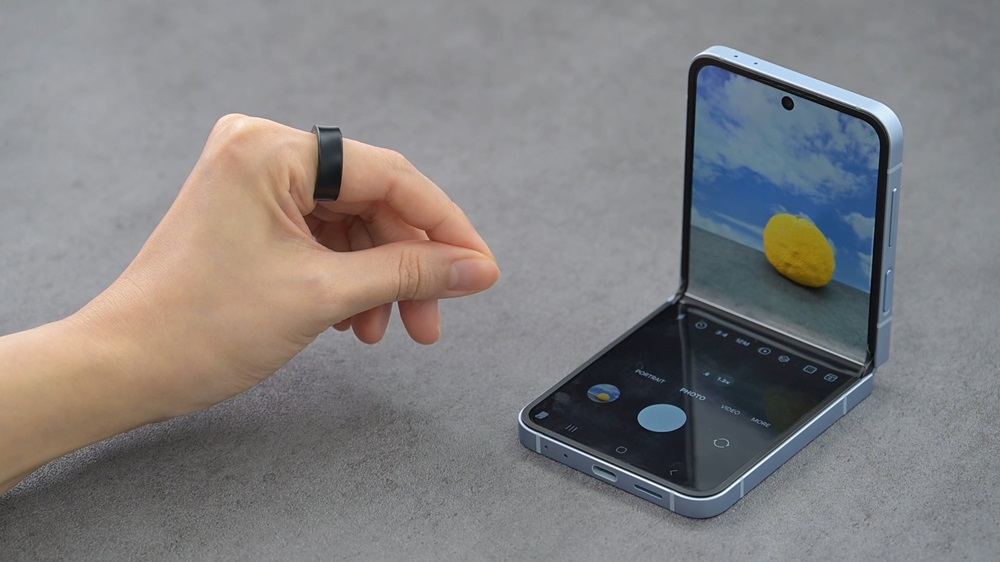
A double-pinch gesture can dismiss an alarm or trigger a phone camera shutter, and Find My Ring will locate a band that has rolled under the bed. What the ring cannot do is anything that needs a screen, a speaker or satellite positioning. Reviewers found that last absence the sharpest limit: distance and pace on a run are estimated from arm movement alone, and GSMArena judged the resulting running metrics unreliable.
Sizing, wear and battery life
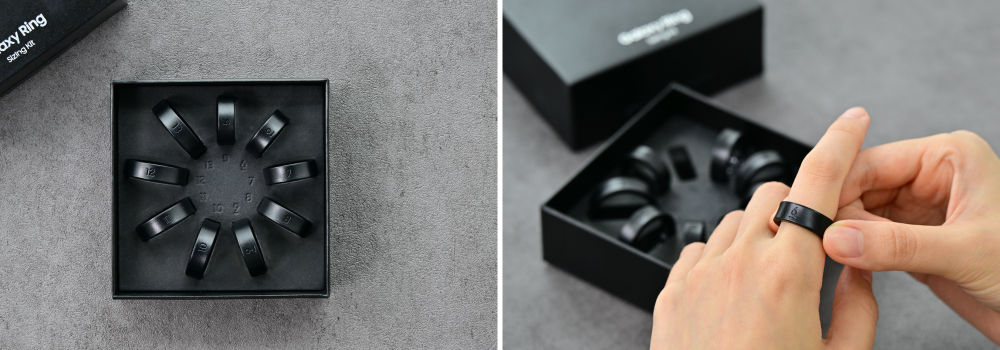
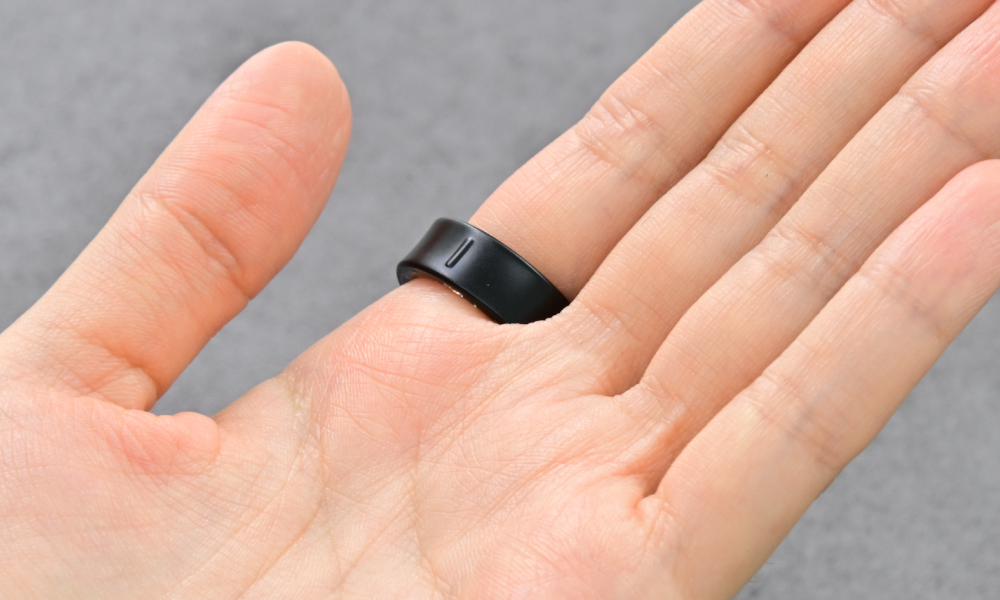
The ring ships in US sizes 5 to 13, and Samsung supplies a plastic sizing kit so a buyer can wear a dummy band for a day before committing. That matters more than it sounds. An optical sensor needs steady skin contact, and a ring that sits slightly loose reports worse data than a watch that sits slightly loose. Samsung tells buyers to wear it with the marked sensor line facing the palm.
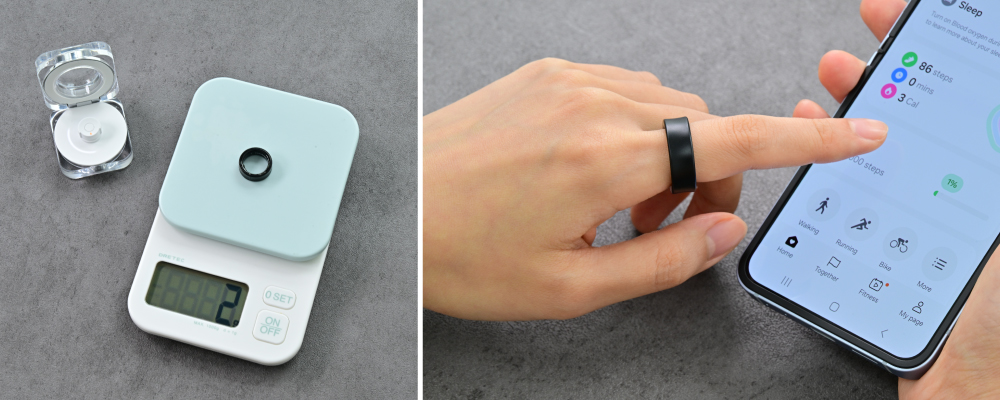
Weight is low. GSMArena weighed a size 11 at just under three grams, with an 18 mAh cell inside. Battery life is the figure that moves across the line: Samsung quotes up to seven days per charge for sizes 12 and 13, and up to six days for the smaller sizes, rising to fourteen days when the charging case starts full. GSMArena measured about five days in ordinary use on a size 11, with a refill taking under an hour. Reviewers put the case itself at between one and two further charges before it needs a cable.
Galaxy Ring against the Oura Ring
Oura is the product to weigh this against, and the comparison turns on two things rather than ten. The first is how you pay. Samsung sells the Galaxy Ring outright and puts the features in Samsung Health at no further cost. Oura sells the hardware and then charges a monthly fee for the app that makes the readings useful. Over a few years, that gap matters more than the difference in sticker price.
The second is reach. Oura works with iPhones as well as Android phones and connects to a wide set of third-party services. The Galaxy Ring needs an Android phone, and its more distinctive tricks, the pinch gestures and Find My Ring among them, want Galaxy hardware running a recent version of One UI. On accuracy the edge goes to Oura: Android Authority found Oura's sleep figures tracked a reference sleep mat more closely. On comfort the verdict reverses, with the Galaxy Ring's concave outer face judged thinner and easier to live with.
Who should buy something else
An iPhone owner should not buy this. The Galaxy Ring pairs through Samsung's Wearable and Health apps, both of them Android only, and no amount of goodwill gets around that. Oura is the obvious alternative.
A runner or cyclist who wants accurate pace, distance and route should also look elsewhere. With no positioning radio on board, the ring infers movement from motion at the hand, and an inexpensive running watch will do that job better.
Anyone who already wears a Galaxy Watch to bed and is content doing so is buying a second opinion rather than new information. Anyone who works with their hands, lifts weights, or wears gloves for a living should think twice: titanium is tough, but it scratches, and a ring rides on the part of the body that meets the world first.
Finally, this is a wellness device and not a medical one. If you need a diagnosis rather than a trend line, the ring is not the thing to buy.
Where to buy
Links go to the seller, not through us. We take no commission and these are not affiliate links, so the order below says nothing about who pays what. Prices and stock change constantly, so check on the day.
Reviews
No reviews yet
Nobody has reviewed Galaxy Ring here yet.