About QL7000
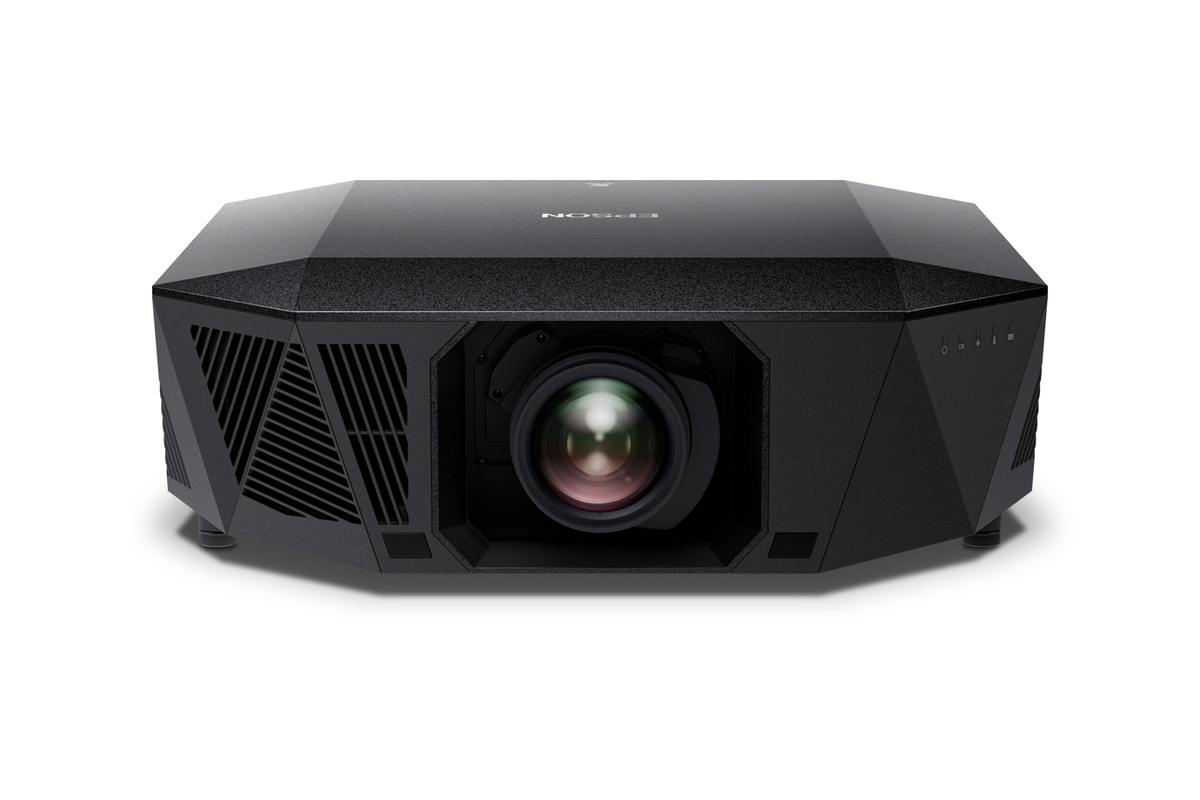
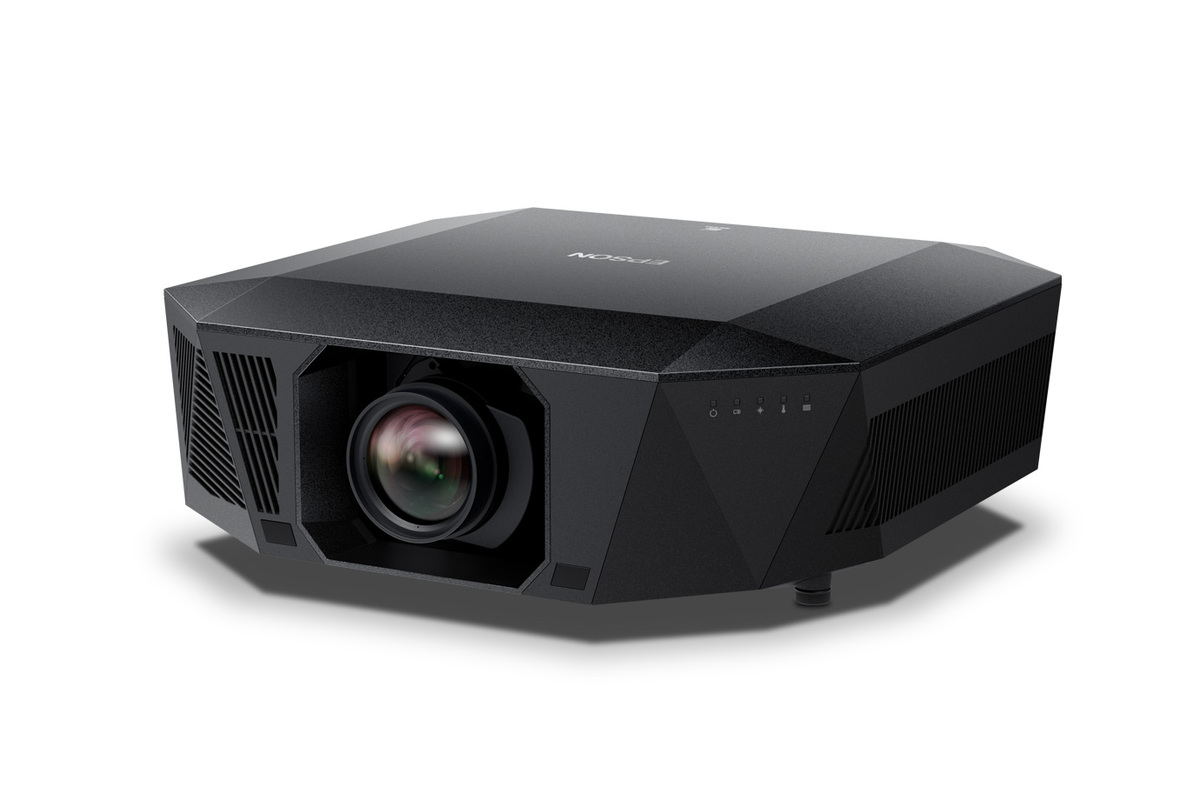
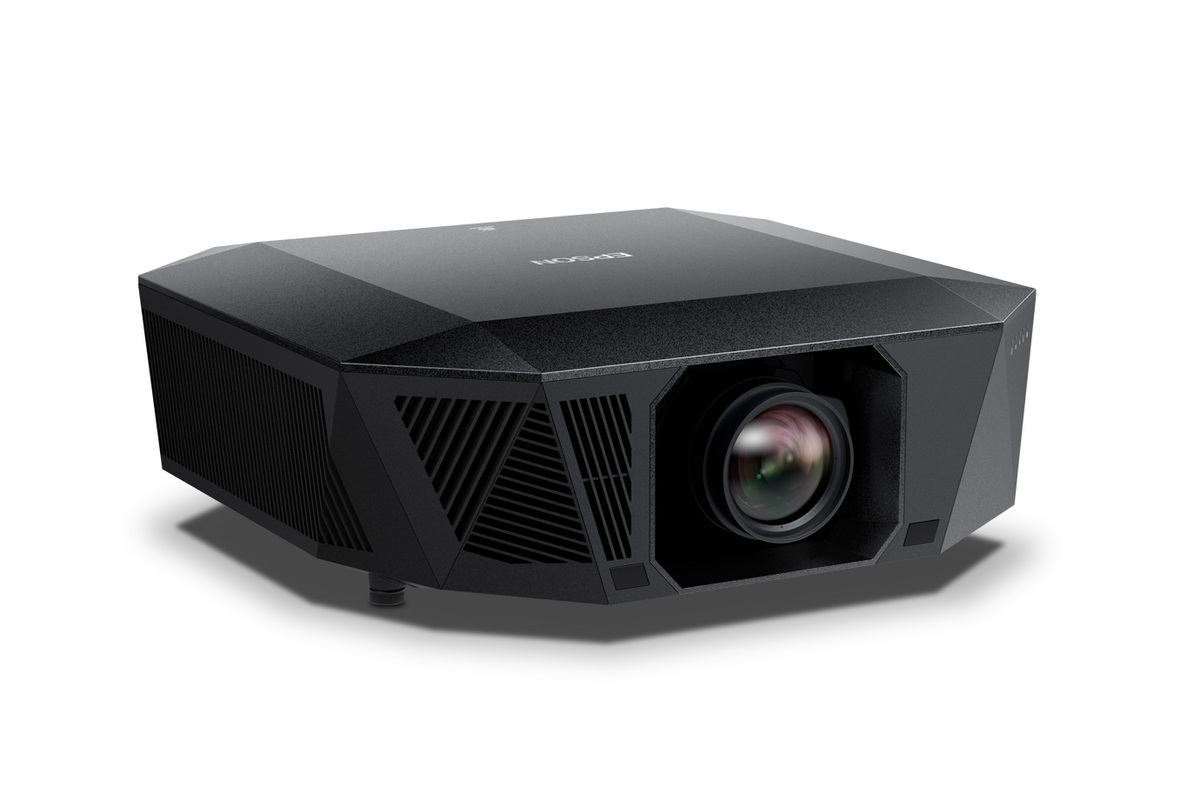
Epson QL7000 sits at the high-brightness end of Epson's Q-Series home entertainment projectors. It is built for large premium theaters, multipurpose entertainment rooms and custom installations where a conventional home projector may run out of light output or placement flexibility. Epson rates it at up to 10,000 lumens of equal color and white brightness, and the projector is sold body-only so the installer can choose a compatible Epson precision lens for the room. That makes the QL7000 less of a plug-in appliance and more of the centerpiece of a designed projection system.
Key specifications
Display
| Projection technology | True 3-chip 3LCD with Double Micro-Lens Array technology |
|---|---|
| Picture | 4K Display Technology, 8.29 million pixels on screen |
Brightness
| Color brightness | Up to 10,000 lumens (IDMS rated) |
|---|---|
| White brightness | Up to 10,000 lumens (ISO rated) |
Image
| Maximum image size | Up to 300 inches |
|---|
HDR
| HDR formats | HDR, HDR10 and HLG with full 10-bit HDR color processing |
|---|
Processing
| Picture processor | Epson QZX Picture Processor |
|---|
Gaming
| High frame rate | Up to 4K HDR at 120 Hz |
|---|---|
| Low latency feature | Auto Low Latency Mode (ALLM) |
Optics
| Lens | Body only; compatible Epson Precision Lens required |
|---|
Light source
| Laser light source life | Up to 20,000 hours |
|---|
Support
| Warranty | 3-year limited warranty |
|---|
What makes the QL7000 different from the QL3000?
Brightness is the clearest distinction. Epson rates the QL7000 at up to 10,000 lumens of color and white brightness, compared with up to 6,000 lumens for the QL3000. Both are body-only Q-Series projectors with interchangeable lens support, 4K Display Technology, HDR10 processing and Epson's QZX Picture Processor.
The extra output matters most for very large screens, rooms that cannot stay fully dark, and installations where the projector needs enough headroom to maintain a strong HDR image at scale. Buyers with a controlled theater and a smaller screen should compare QL3000 carefully, because paying for brightness that the room does not need may not improve the experience enough to justify the additional cost.
How large an image can it produce?
Epson specifies an image up to 300 inches. That headline size is useful, but screen size should not be chosen independently of the lens, throw distance, room lighting and screen material. The QL7000 does not include a lens, so an integrator can select from compatible powered Epson Precision Lenses, including options intended for different throw requirements.
This modular approach is a strength for difficult rooms because placement can be designed around the architecture. It is also a limitation for buyers expecting an all-in-one projector. Lens selection and installation should be included in the project budget from the beginning.
What picture technology does the QL7000 use?
The projector combines Epson 3-chip 3LCD technology with Double Micro-Lens Array technology and proprietary 4K Display Technology. Epson says the system produces 8.29 million pixels on screen. Full 10-bit HDR processing supports HDR, HDR10 and HLG, while Dynamic Tone Mapping adjusts HDR presentation according to the scene.
The QZX Picture Processor handles real-time color, contrast, frame interpolation and tone mapping. For a buyer, the practical point is that the QL7000 is designed for premium source material and large-screen viewing rather than simply using its brightness as the main selling point.
Is the QL7000 suitable for gaming?
Epson specifies gaming support up to 4K HDR at 120 Hz and includes Auto Low Latency Mode. That makes the QL7000 capable of handling high-frame-rate output from modern consoles and gaming PCs while also serving as a cinema projector.
A buyer building primarily for gaming should still compare total system cost and room needs. A smaller Q-Series model or a premium direct-view display can be more practical if a 200- to 300-inch projection system is not part of the plan.
What does the QL7000 cost?
Epson's current US product page lists the black QL7000 at $33,999 MSRP. That is higher than its $29,999 suggested retail price when Epson announced the model in August 2024. The projector is body-only, so the required compatible lens is an additional cost rather than part of that MSRP.
A realistic installed budget can also include the projection screen, mounting, control integration, cabling, calibration and labor. Buyers should confirm the final projector and lens quote with an authorized Epson home entertainment dealer, especially because lens choice depends on the room.
Where does the QL7000 work best?
The strongest use cases are large dedicated theaters, luxury media rooms and professionally integrated multipurpose spaces. Epson continues to demonstrate the model in demanding installations, including large screens where high brightness and flexible lens placement are important. Its 20,000-hour laser light source also reduces the routine lamp-replacement concern associated with older high-output projectors.
Smart-home integration is another reason to consider it. Epson positions Q-Series for custom installation and supports established control environments, making the projector easier to incorporate into a room where lighting, audio, screens and sources are centrally controlled.
Who should choose something else?
Choose the QL3000 if you want the interchangeable-lens Q-Series platform but do not need the QL7000's 10,000-lumen ceiling. Choose QB1000 if a premium dedicated theater with an integrated motorized cinema lens better matches the room. QS100 is the more relevant Q-Series option when ultra short throw placement is the priority.
Buyers who mainly value convenience, built-in streaming or integrated speakers should look lower in Epson's home projector range. The QL7000 makes the most sense when its brightness, lens flexibility and integration capability solve real room-design requirements.
Reviews
No reviews yet
Nobody has reviewed QL7000 here yet.