About QB1000
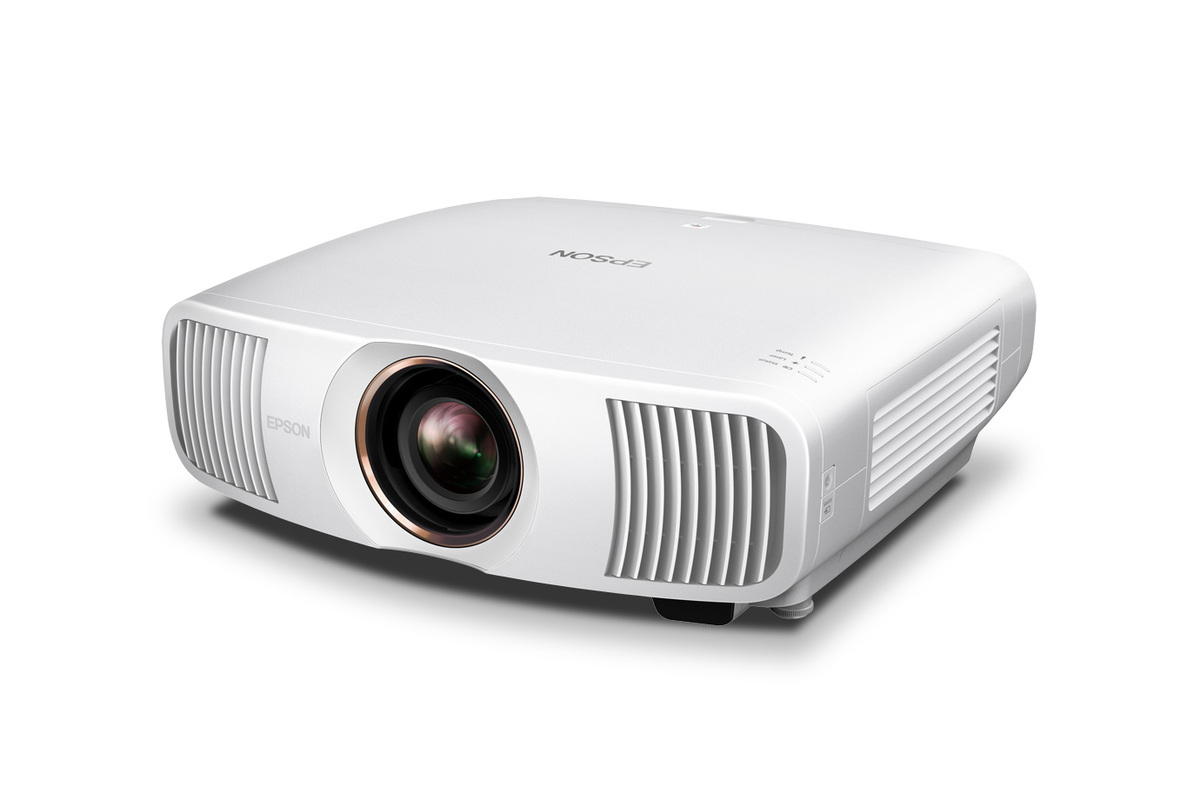
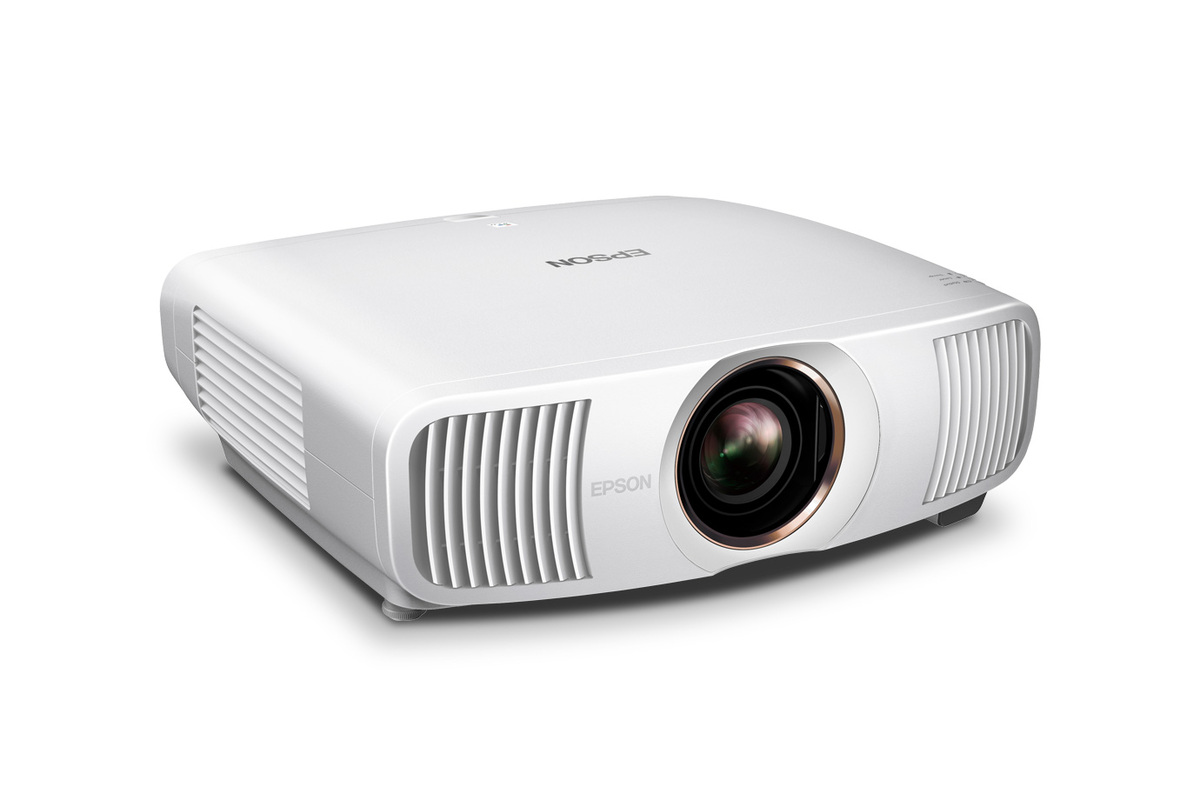
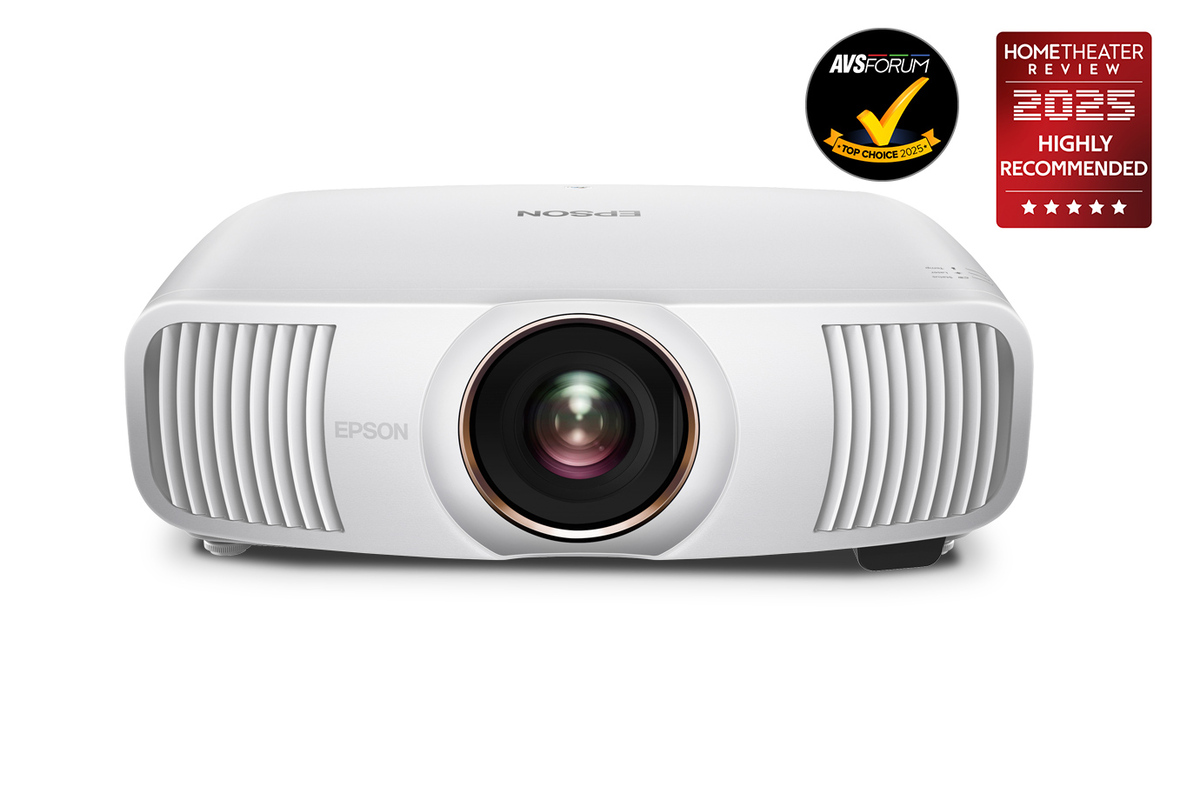
Epson QB1000 is the Q-Series model for buyers building a premium home theater but who do not need the extreme brightness or interchangeable-lens complexity of the QL3000 and QL7000. It combines a laser light source, Epson's 3-chip 3LCD system and 4K Display Technology to put a full 8.29 million pixels on screen. Its integrated VRX Cinema lens also makes it a more self-contained installation than the body-only QL models.
Epson introduced the QB1000 in August 2024 at $7,999 SRP and scheduled availability for September 2024. Epson's current US Q-Series page lists an $8,499 MSRP, so buyers comparing older launch coverage should budget from the current figure rather than the original announcement.
Key specifications
Display
| Projection system | 3-chip 3LCD laser projection |
|---|---|
| 4K output | 4K Display Technology, 8.29 million pixels on screen |
Brightness
| Color brightness | 3,300 lumens (IDMS rated) |
|---|---|
| White brightness | 3,300 lumens (ISO rated) |
HDR
| HDR formats | HDR10+, HDR, HLG |
|---|
Processing
| Picture processor | Epson QZX Picture Processor |
|---|
Optics
| Lens | Epson VRX Cinema lens, 15-element precision glass structure |
|---|
Installation
| Lens adjustment | 3-axis motorized lens shift |
|---|
Gaming
| High frame rate | Up to 4K at 120 frames per second |
|---|---|
| Low latency | Auto Low Latency Mode; input lag below 20 ms |
Light source
| Rated life | Up to 20,000 hours |
|---|
Warranty
| Limited warranty | 3 years |
|---|
What kind of room suits the QB1000?
The QB1000 is designed first for premium home theater. Epson rates both color and white brightness at 3,300 lumens, which gives an installer more headroom than a lower-output cinema projector while retaining a theater-focused lens and image-processing package.
That brightness does not make room conditions irrelevant. Darker walls, controlled daylight and an appropriate screen still help black levels and perceived contrast. Buyers with a bright multipurpose room should compare the brighter Q-Series models or an ultra short throw setup rather than assuming lumen output alone will solve ambient light.
What picture technology do you get?
Epson combines 4K Display Technology with three high-definition LCD chips to show 8.29 million pixels on screen. The 3-chip design displays the RGB color signal continuously, while Epson's QZX Picture Processor manages image processing. HDR support includes HDR10+, HDR and HLG.
UltraBlack technology is one of the QB1000's theater-oriented features, intended to improve black density. The integrated VRX Cinema lens uses a 15-element precision glass structure, giving this model a different role from QL3000 and QL7000, which require a separately selected Epson High Precision lens.
How flexible is installation?
The integrated lens is a major practical advantage for a conventional theater build. Epson specifies 3-axis motorized lens shift, allowing the image position to be adjusted without physically placing the projector dead center on the screen. That can make ceiling mounting and equipment-room placement easier.
The trade-off is flexibility at the extreme end. QL3000 and QL7000 support Epson's interchangeable High Precision lenses and are better suited when a custom integrator needs a particular throw distance or unusually large installation. QB1000 is the simpler package when its built-in lens fits the room.
Is the QB1000 a strong gaming projector?
Yes, especially for buyers who split a theater between movies and modern consoles or gaming PCs. Epson specifies support for 4K content at up to 120 frames per second, Auto Low Latency Mode and input lag below 20 ms. Native 120 Hz support also appears in Epson's current product positioning.
Competitive players who care primarily about the lowest possible latency may still prefer a dedicated gaming display. The QB1000 makes more sense when the goal is a very large screen that handles films, streaming and games well rather than a monitor-like esports setup.
How does QB1000 compare with QS100, QL3000 and QL7000?
QS100 is the installation alternative for rooms where an ultra short throw projector is more practical. It sits close to the screen and Epson rates it at 4,500 lumens, making it attractive for smaller entertainment spaces where a conventional long throw path is inconvenient.
QL3000 steps up to as much as 6,000 lumens and QL7000 to as much as 10,000 lumens. Both are body-only projectors with interchangeable lenses and are aimed at larger, more specialized custom installations. QB1000 is the balanced Q-Series choice when 3,300 lumens and its built-in cinema lens are sufficient.
What should buyers budget for?
Epson announced the QB1000 at $7,999 SRP in August 2024. The current Epson US Q-Series page lists an $8,499 MSRP. Pricing can vary by dealer, color and installation package, so a complete theater quote should include the screen, mount, cabling, calibration and any control-system work rather than comparing projector prices alone.
Unlike QL3000 and QL7000, QB1000 includes its projection lens. That removes one significant separate component from the project budget.
Who should choose something else?
Choose QS100 if the projector needs to sit close to the screen. Choose QL3000 or QL7000 if the room needs substantially more brightness, a very large image or interchangeable-lens flexibility. Epson Pro Cinema is worth comparing when the Q-Series price is difficult to justify and the room does not need this brightness or processing package.
A premium television can also be the better choice for smaller screen sizes in rooms with uncontrolled daylight. QB1000 earns its premium when a buyer genuinely wants a theater-scale image, HDR movie performance and 120 Hz gaming in one installed projector.
Reviews
No reviews yet
Nobody has reviewed QB1000 here yet.