
About HomePod mini
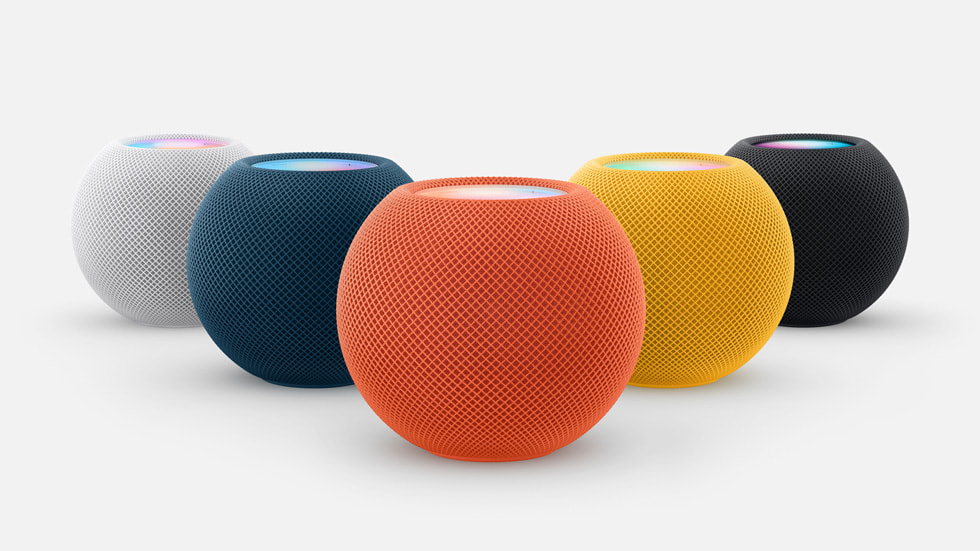
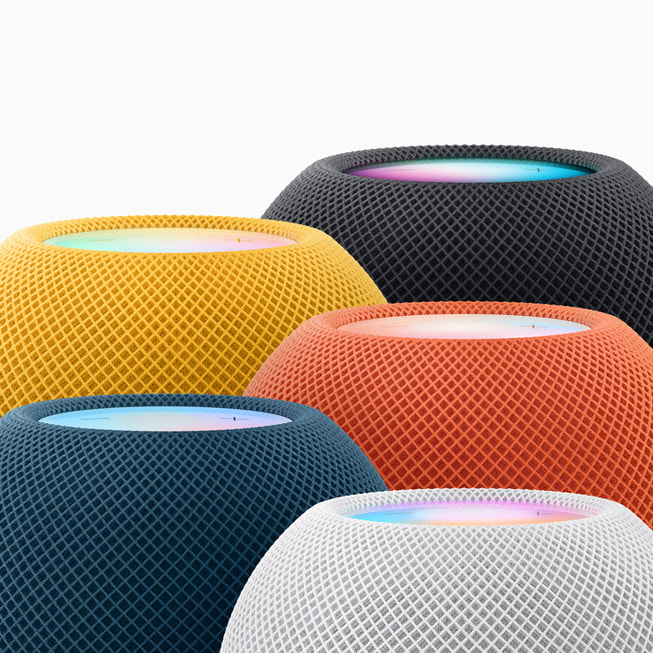
HomePod mini is the small end of Apple's speaker range: a fabric-covered sphere about 3.3 inches tall that plays music, answers Siri and acts as a hub for a home full of accessories. Apple sells it in five finishes and lists it at 129 US dollars on its own store.
It is easy to mistake this for a cheap gadget because of the size. It is not really priced or built as one. The competition at the small end of the smart speaker market has spent years selling hardware below cost to win a place in the kitchen, and Apple has not joined in. What you get for the difference is better sound than anything that shape has a right to make, and a device that plugs into an Apple household without any setup worth describing. What you do not get is the flexibility of the platforms it competes with.
Where does HomePod mini sit in Apple's speaker range?
Apple sells two speakers. HomePod is the full-size one, taller, considerably louder, and the one to buy if a speaker is going to be the main sound source in a room. HomePod mini is everything else: the bedside speaker, the kitchen speaker, the desk speaker, the one you buy two of.
The pair are not simply large and small versions of the same idea. The full-size HomePod is bought for listening. The mini is bought for presence: something in the room that hears you, answers, runs the lights and plays music well enough that nobody complains. Buying two minis for two rooms is usually a better household decision than one large HomePod for one room, and that is the calculation most buyers should start from.
What the speaker actually is
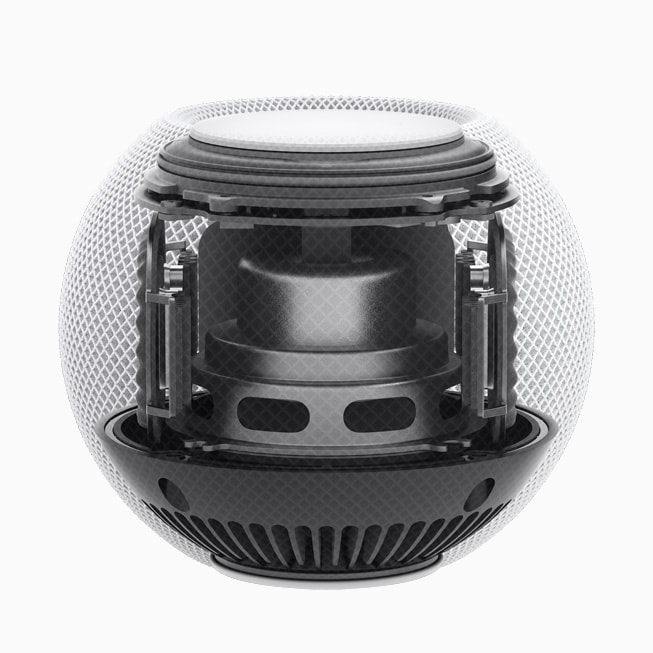
Apple's product page describes an Apple-designed full-range driver with a neodymium magnet, a pair of force-cancelling passive radiators for bass, and four microphones for picking up Hey Siri across a room. The sound is projected as 360-degree audio, so it does not need to face you. The housing is a mesh fabric sphere just 3.3 inches tall, and the chip inside is Apple's S5.
Two of them in the same room can be paired as left and right channels. More than one in the house enables Intercom, which sends a short voice message to another room or to everybody. Siri recognises up to six voices in a household, so calendars and messages come back to the right person.
It also works as a home hub for HomeKit and Matter accessories, which means it is the thing that keeps automations running and lets you reach the house from outside it. That role is worth as much as the audio for many buyers, and it is the reason the mini often arrives as the second purchase in a smart home rather than the first.
Who is it for?
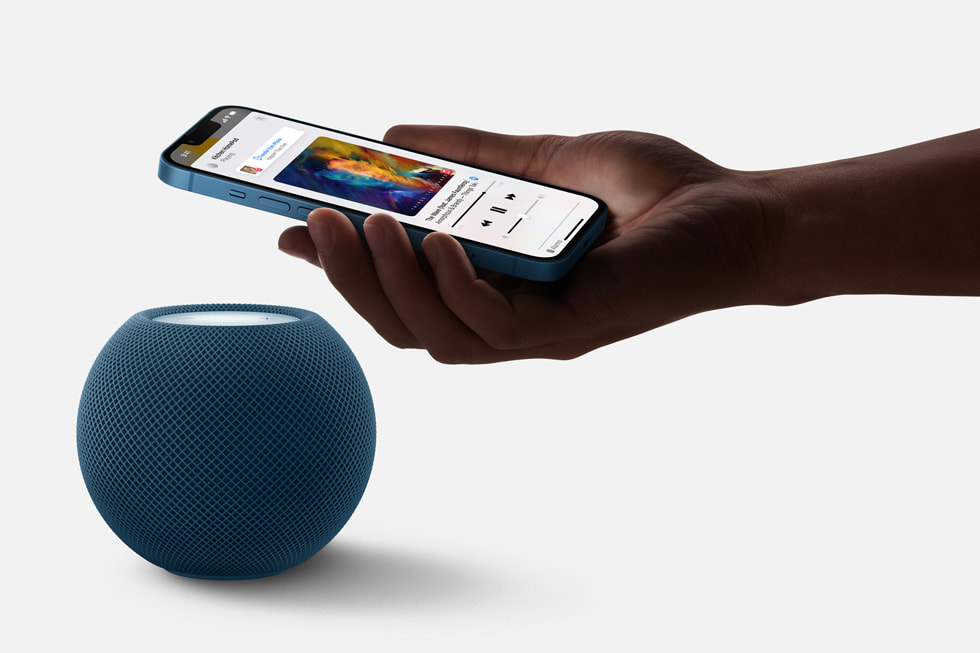
Households already inside Apple's ecosystem, which is not a hedge but the entire answer. If the phones in the house are iPhones and the music comes from Apple Music, the mini removes friction that the alternatives introduce: handing off audio from a phone by holding it near the speaker, asking for a podcast and having it resume where the phone left off, adding it to the Home app in under a minute.
It is also for people who want a smart speaker that sounds like a speaker. Every independent comparison that has put it against the small Amazon and Google units has given it the audio win, usually by a clear margin. If the speaker will be playing music daily rather than reading out timers, that gap matters.
How does it compare with Echo Dot and Nest Mini?
On sound, HomePod mini wins. Top Ten Reviews found the Echo Dot distorting at higher volumes and the Nest Mini short on bass, with the mini ahead of both. Tom's Guide reached the same conclusion, describing clearer vocals and more balanced audio at volume.
On price, HomePod mini loses, and not narrowly. The small Amazon and Google speakers are routinely sold at a fraction of what Apple asks, and are discounted further several times a year.
On the assistant itself, Siri is behind. Alexa has the deepest set of routines and third-party skills, and Google Assistant answers general questions more reliably. If the speaker's main job is answering questions and running elaborate automations, Apple is not the strongest choice and has not been for some time.
The sensible reading is that these are not really competing products. They are three ecosystems with a speaker attached, and the speaker is the smallest part of the decision.
The constraint worth understanding before you buy
HomePod mini is an Apple device in a way the alternatives are not. Setup expects an iPhone or iPad. There is no Android app. Voice control means Siri and cannot be changed to anything else. The smart home side speaks HomeKit and Matter, which now covers a great deal of hardware, but any accessory that only supports Alexa or Google will not appear.
None of this is a defect. It is the trade Apple is offering: less choice in exchange for a setup that works first time and keeps working. Buyers who find that trade acceptable elsewhere in the range will find it acceptable here. Buyers who do not should not talk themselves into it.
Who should buy something else?
Android households should buy a Nest or Echo. Nearly everything that makes the mini worth its price requires an iPhone, and without one the speaker is expensive and awkward.
Anyone buying on price should buy an Echo Dot or a Nest Mini. Two or three of them cost what one mini costs, and for timers, weather and radio in a spare room that is the better use of the money.
Anyone who wants deep automation and a large library of third-party voice skills should buy into Alexa. Siri is the weakest of the three assistants at exactly that job.
Anyone who wants a speaker as the main audio source for a living room should buy the full-size HomePod, or a proper stereo pair, or a soundbar. The mini is very good for its size and it is still a speaker the size of a grapefruit.
And anyone whose smart home already runs on hardware that never gained Matter support should check the accessory list before buying, not after.
Where to buy
Links go to the seller, not through us. We take no commission and these are not affiliate links, so the order below says nothing about who pays what. Prices and stock change constantly, so check on the day.
Reviews
No reviews yet
Nobody has reviewed HomePod mini here yet.
