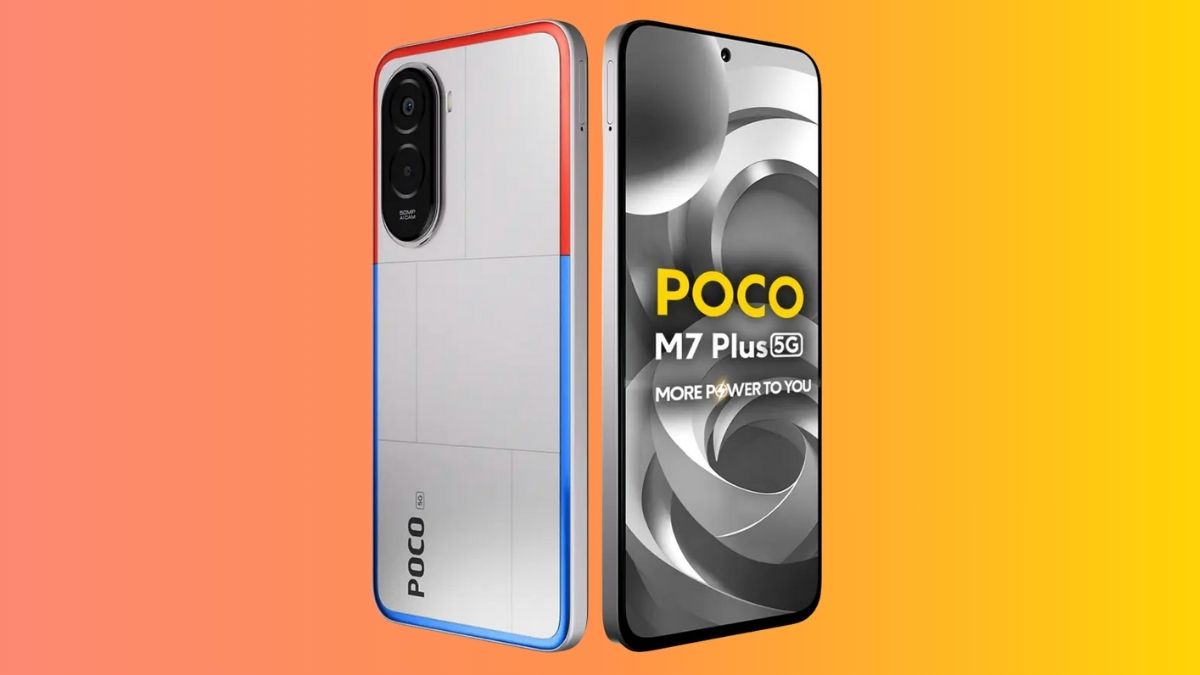
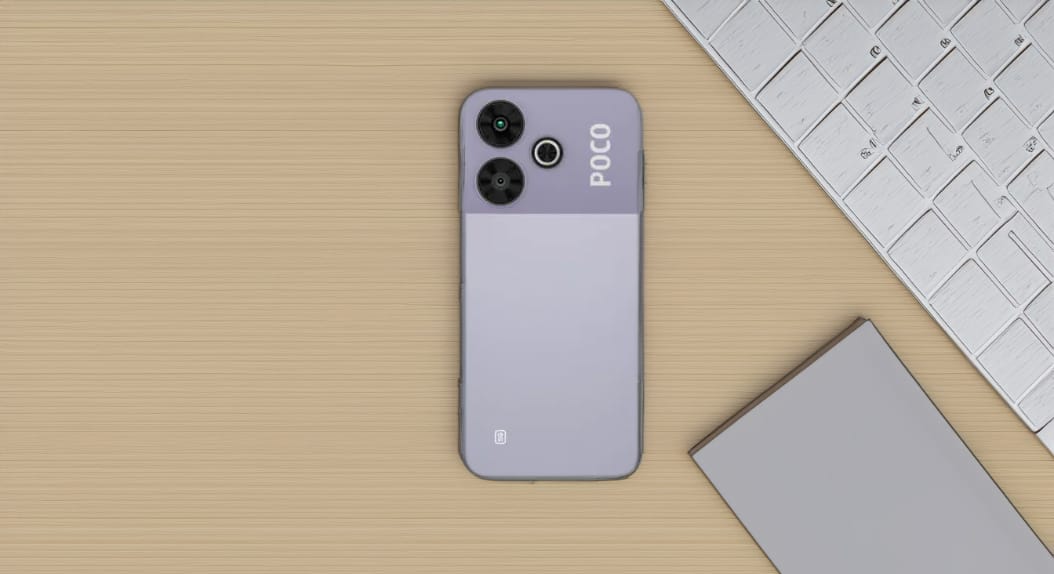
About POCO
POCO is owned by Xiaomi Corporation. It started in 2018 as a Xiaomi sub-brand with a single phone, the POCO F1, and POCO's own about page still calls it "an independent brand born out of Xiaomi Corporation."
Today it's a phone brand first. The range runs across the F, X, M and C series, with a POCO Pad tablet alongside. Xiaomi's cars and smart-home kit sit under the Xiaomi name instead.
That "independent" label is about the team. POCO runs its own product, sales and marketing, and leans on Xiaomi for manufacturing and after-sales.
Who owns POCO?
Xiaomi Corporation owns POCO, and always has. Nobody sold it to Xiaomi. Xiaomi created POCO in-house in 2018, so there's no acquisition date or deal value to quote.
Xiaomi was founded in April 2010. It has been listed on the Main Board of the Hong Kong Stock Exchange since July 9, 2018, under stock code 1810.
The paper trail is short. Xiaomi's 2018 annual report names POCO as one of its own brands. POCO's about page says it shares Xiaomi's manufacturing and after-sales. And POCO's global pages now sit on mi.com, Xiaomi's own store.
When did POCO launch, and when did it go independent?
POCO launched in August 2018. Its first phone was unveiled in New Delhi on August 22, 2018. In India it was the POCO F1; in some other markets it went by Pocophone F1.
Independence came in two steps. In January 2020, Xiaomi's Manu Kumar Jain announced that POCO would now operate on its own. In November 2020, POCO's global social accounts said it again: "POCO Brand is going independent!"
Then things pulled closer. In late 2024, POCO said its separate global website would close from December 31, 2024, with everything moving to Xiaomi's global site. That's where you'll find POCO's global range today.
What does POCO make today?
POCO makes phones in four series, plus a tablet. On Xiaomi's UAE store, for example, you'll see the POCO F9 Ultra, F9 Pro and F8 Pro, the X8 Pro, the M8 Pro 5G and the C85. Xiaomi's German store lists the POCO Pad.
The pitch is power for the money. POCO's slogan is "Everything you need, nothing you don't," and its taglines on Xiaomi's global site lean on lines like "Power to the max" and "Speed to the max."
Model numbers change often. The series letters are what to remember.
How is POCO different from Redmi and Xiaomi phones?
Mostly positioning, and Xiaomi has spelled it out itself. In its 2018 annual report, published in March 2019, Xiaomi said the Xiaomi brand would focus on pioneering technology in the mid- to high-end market, Redmi would chase the best price-to-performance ratio, and POCO would target tech enthusiasts.
That split still shows. Xiaomi's 2025 results talk up its premiumization push, with the Xiaomi 17 Pro and Pro Max singled out. Redmi is the mass-market range, with phones, tablets, earbuds and watches.
POCO is narrower. It's built around performance phones and has its own marketing team. On Brandligo, POCO's sibling brands are Xiaomi and Redmi.
Is POCO the phone brand related to POCO the furniture chain?
No. They're two unrelated companies that happen to share a name, and it's easy to mix them up when you search "who owns POCO."
POCO the phone brand belongs to Xiaomi. POCO the furniture chain is a German home-furnishings retailer that trades at poco.de.
Its ownership story is completely separate. In December 2018, Austria's XXXLutz Group said it had completed its takeover of 125 POCO furniture stores, after agreeing the deal with Steinhoff International earlier that year. It said POCO would keep running as a separate unit inside the group, with its own management.
If you came here for sofas or kitchens, you want poco.de.
Who is POCO for, and when is a sibling brand a better fit?
POCO suits you if you want a phone that puts speed and power first and you're happy with a no-frills pitch. That's the tech-enthusiast buyer Xiaomi named in its 2018 annual report.
Want Xiaomi's premium flagships? Look at the Xiaomi-branded line instead. That's where Xiaomi puts its top-end push.
If you want the widest choice at mass-market prices, or a watch and earbuds from the same family, Redmi covers more ground. Redmi sells tablets too, so compare the Redmi Pad with the POCO Pad if you're shopping for one.
What should you check before buying POCO or partnering with it?
Start with where you buy. POCO's global range is sold through Xiaomi's own stores, and POCO's old site warned that some outbound links went to Xiaomi's sales partners, not Xiaomi itself. Stick with Xiaomi or a seller it authorises.
Next, after-sales. POCO uses Xiaomi's after-sales network, so warranty and repairs run through Xiaomi where you live.
Then software support. Xiaomi publishes security update information for its phones and tablets on its Security Center at trust.mi.com.
For partners and resellers, POCO's store, pages and after-sales all run through Xiaomi. That's where commercial talks start.
Products (3)
Reviews
No reviews for this brand yet.