About PlayStation
PlayStation is owned by Sony. More precisely, it's run by Sony Interactive Entertainment (SIE), which is a wholly owned subsidiary of Sony Group Corporation.
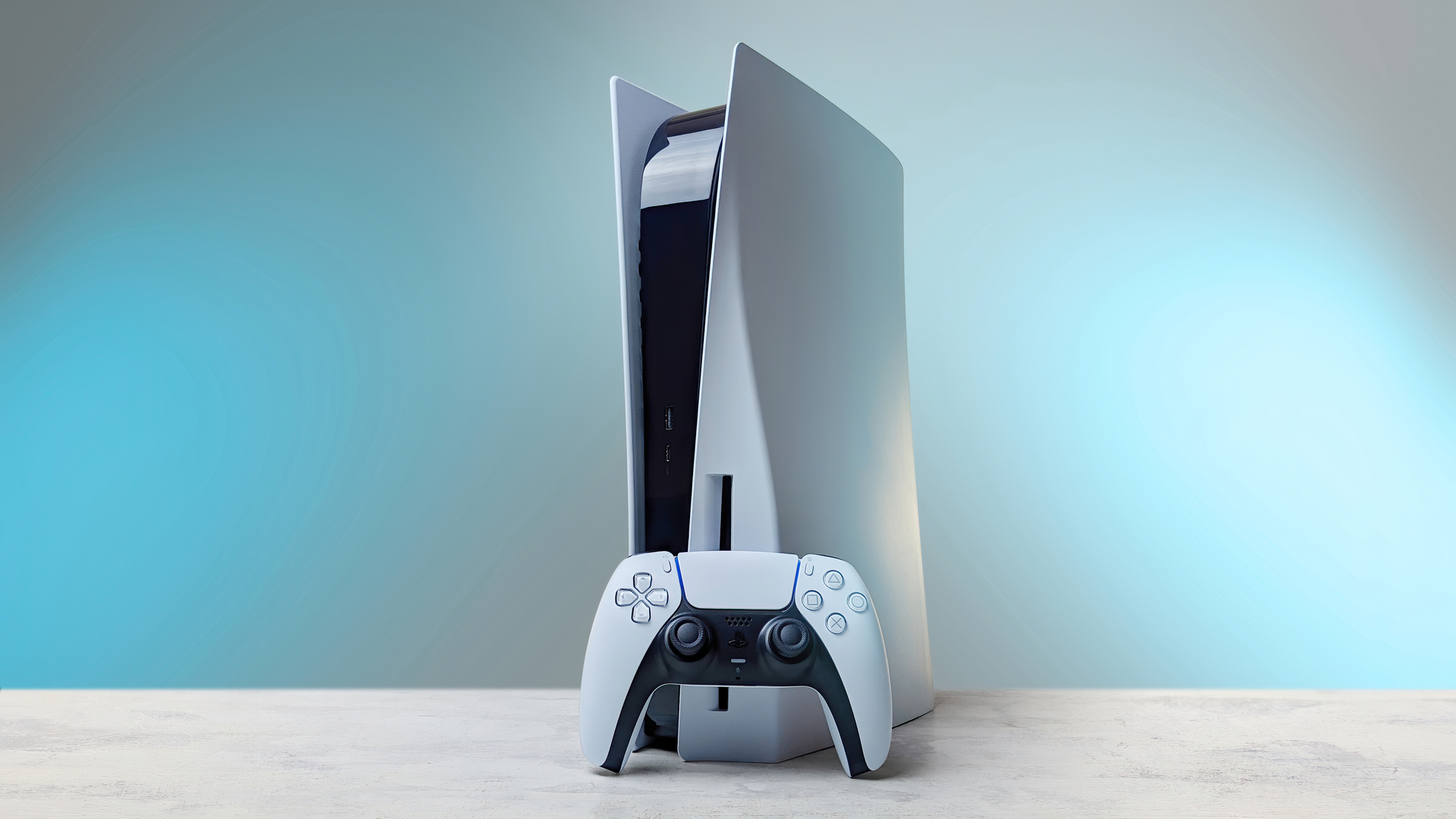
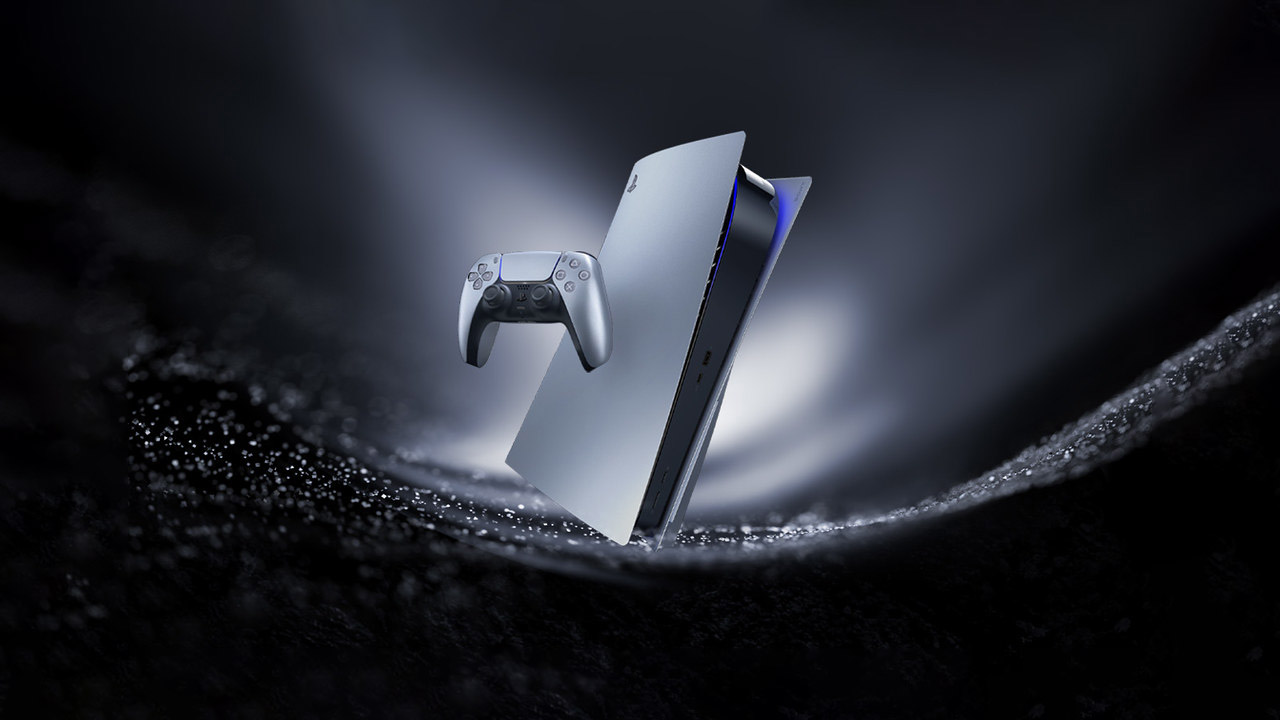
The brand covers the PS5 consoles, their controllers and audio gear, the PlayStation Portal remote player, PS VR2, the PlayStation Plus subscription and the games made by PlayStation Studios.
It stops at games. Sony's phones, cameras and main headphone lines are separate ranges, with their own pages here.
Who owns PlayStation?
Sony Interactive Entertainment runs PlayStation, and SIE is a wholly owned subsidiary of Sony Group Corporation. So the short answer is Sony, with one company in between.
SIE is headquartered in San Mateo, California, with global functions in California, London and Tokyo. That puts PlayStation's head office in the US, even though Sony Group itself is based in Tokyo.
Sony's annual report gives SIE the whole chain: research, development, design, marketing, sales, production, distribution and customer service for PlayStation hardware, software, content and network services. If you're dealing with PlayStation as a business, SIE is the company on the other side of the table.
Who owns Sony?
Nobody owns Sony outright. Sony Group Corporation is a public company, so its shareholders own it.
Its shares have been listed on the Tokyo Stock Exchange since December 1958. In the US, its American Depositary Shares trade on the New York Stock Exchange under the ticker SONY, and each one represents one ordinary share.
The company is older than the name. It was set up in Japan in May 1946 as Tokyo Tsushin Kogyo, became Sony Corporation in January 1958 and switched to Sony Group Corporation in April 2021. Its head office is in Minato-ku, Tokyo.
When did PlayStation start?
Sony set up Sony Computer Entertainment in Japan in November 1993. The original PlayStation launched in Japan the following year, in 1994.
The company kept that name for more than two decades. In April 2016 it became Sony Interactive Entertainment.
The current console, PlayStation 5, launched in 2020. SIE's own sales data puts cumulative PS5 hardware sell-in at more than 95 million units as of June 30, 2026. For comparison, it lists the original PlayStation at more than 102.4 million, as of March 31, 2012.
What does the PlayStation brand cover today?
Hardware first. The PS5 comes as a standard 1TB console with a disc drive, an all-digital Digital Edition and the PS5 Pro. Around it sit the DualSense, DualSense Edge and Access controllers, plus PULSE headsets and earbuds.
Then the add-ons. PlayStation Portal is a remote player with its own 8-inch screen that streams games from your PS5. PS VR2 is the virtual reality headset for PS5.
Then the services. PlayStation Plus is the subscription, sold in Essential, Extra and Premium tiers. PlayStation Studios is SIE's family of game development studios.
The consoles and the VR headset have their own product pages under this brand.
How does PlayStation fit with Sony's other brands?
It's the games arm, and Sony reports it separately. In Sony's 2026 annual report, PlayStation sits in the Game and Network Services segment. Phones, cameras, TVs and headphones sit in a different one, Entertainment, Technology and Services.
On Brandligo, Sony's other brands are Sony Xperia for phones and Sony Alpha and Audio for cameras, headphones and earbuds.
That split is handy when you're shopping. PULSE headsets and earbuds are PlayStation's own gaming audio, sold as PS5 accessories. Sony's WH headphones and WF earbuds live under Sony Alpha and Audio instead.
Who is PlayStation for?
PlayStation suits people who play on a TV, want Sony's own studio games and are happy to commit to one console's ecosystem.
Be careful with the extras. PlayStation Portal is not a standalone handheld: Sony says you need a PS5 console and a PlayStation account, and cloud streaming on it needs a PS Plus Premium membership. PS VR2 needs a PS5 too, and it won't work with a PS4. There's a separate PC adapter for Steam VR games.
If what you really want is a Sony phone, camera or pair of headphones, that's Sony Xperia or Sony Alpha and Audio, not PlayStation.
What should you check before buying or partnering?
Start with discs. The PS5 Digital Edition has no disc drive, and the add-on drive is sold separately, so decide how you buy games before you pick a model.
Next, check what each accessory needs. Portal needs a PS5 that's on broadband and powered on or in Rest Mode. PS VR2 needs a PS5.
For businesses, look for Sony Interactive Entertainment on the paperwork. It's the Sony company that handles PlayStation's development, marketing, sales and distribution, and it's run from San Mateo rather than from Sony Group's Tokyo office.
Products (2)
PlayStation Console
No reviews yetPlayStation VR
No reviews yetReviews
No reviews for this brand yet.