About Google Play Store
Google Play Store is the main storefront and distribution client for Android apps and games on Google-certified devices. It lets users discover, install and update software, manage purchases and subscriptions, review data-safety information and access family or account controls. In 2026 the Store is also becoming more conversational and content-led through features such as Ask Play, Play Shorts and expanded PC-game discovery. This page focuses on the Store itself; Google Play's wider Games, Books, Pass and Protect products are covered at brand level.
What does Google Play Store do for users?
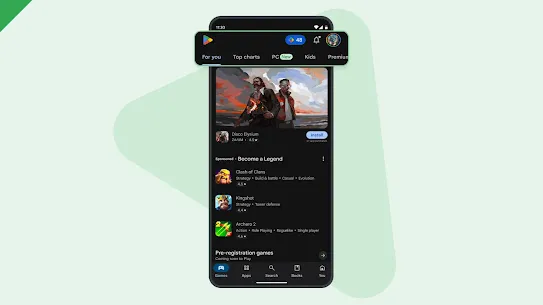
For users, Google Play Store combines software discovery, installation, updates and digital commerce in one account-linked experience. App pages show descriptions, screenshots or videos, developer details, content ratings, data-safety declarations, reviews and device compatibility information before installation. After an app is installed, Play can deliver developer updates and keep purchase history tied to the user's Google Account.
The Store also centralizes many payment tasks. Users can buy paid apps, make eligible in-app purchases, subscribe to supported digital services, review order history and manage subscriptions. Google says payment information used with Google Play Billing is stored with the Google Account rather than shared directly with app developers. Authentication controls, budgets and family purchase approvals can add another layer of control, although some features depend on region and payment method.
What changed in Google Play Store during 2026?
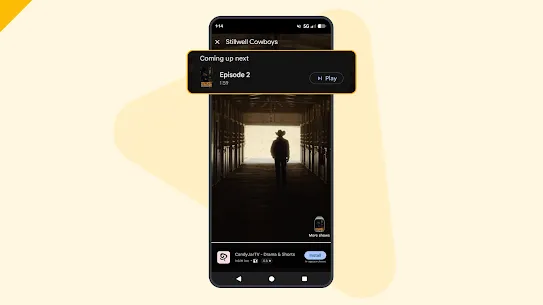
The biggest 2026 change is that discovery is moving beyond keyword search and static app listings. At Google I/O in May, Google introduced Ask Play, an AI-powered conversational layer that can understand a user's full question, handle follow-ups and recommend apps or games. Google also introduced Ask Play highlights for summarized search results and continued expanding Play Shorts, a full-screen short-video feed that lets users preview how apps look and work before installing them.
Google is also widening the Games tab beyond mobile. In early 2026 the Store added a PC section where supported titles can be discovered from Android, wishlisted for sale alerts and identified with cross-platform badges. Some participating paid games support buy-once access across mobile and PC, while users can remotely install compatible PC games through the wider Google Play Games ecosystem.
How do purchases and subscriptions work in Google Play Store?
There is no general subscription fee to browse or use Google Play Store. Free apps cost nothing to install, while paid apps, in-app products and subscriptions use prices set by their developers or publishers. Google Play Billing can process one-time digital purchases and recurring subscriptions, and users can manage active subscriptions through Google Play. Some subscriptions also support prepaid or payment-plan structures where available.
Billing rules are now more region-dependent than older summaries suggest. Google allows alternative billing systems or external purchase paths in a growing list of markets, including the United States, United Kingdom, European Economic Area, Australia, Brazil, India, Indonesia, Japan, South Africa and South Korea under applicable programs. The checkout method can affect which Google Play purchase protections, family controls or account-management features apply, so users should check the actual payment flow rather than assume every Play-distributed app uses Google billing.
What do developers pay to distribute through Google Play?
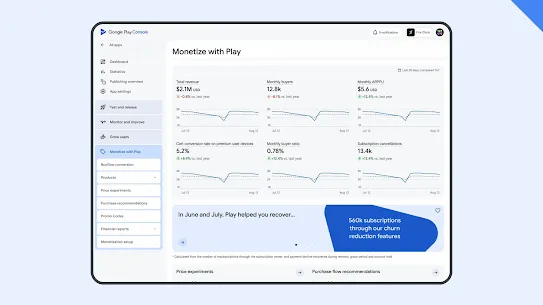
Google does not charge all developers one universal percentage. Many developers distribute free apps without a transaction fee, while paid digital transactions can attract service and billing fees. Google changed its model in 2026, with new rules beginning June 30 in the United States, United Kingdom and EEA. The current structure separates platform service fees from the billing fee and can vary based on transaction type, install timing and participation in specific developer programs.
For example, current documentation shows lower rates for qualifying subscription revenue and for developers participating in certain programs, while other transactions can use different percentages. The rules continue to roll out region by region. Because this is a moving commercial framework, developers should use the current Play Console service-fee documentation for a launch budget instead of relying on an old blanket statement such as 'Google always takes 30 percent.'
How does Google Play Store handle app safety and quality?
The Store combines policy review, developer identity, app-signing and ecosystem safety systems rather than relying on one check. Store listings display developer-provided data-safety disclosures, content ratings and review information, while Google Play Protect scans apps for potentially harmful behavior. Google also uses technical quality signals in discovery and can warn users when an app has issues such as excessive battery wake locks.
Developer verification is becoming stricter across Android. Google said 99 percent of apps on Play had already been registered automatically under its newer verification system and set September 30, 2026 as the deadline for remaining Play apps to be registered to avoid global removal from Google Play. Enforcement for verified app installation begins first in Brazil, Indonesia, Singapore and Thailand on that date, with broader global expansion planned for 2027.
What are Google Play Store's main limitations?
Google Play Store is broad, but it is not identical in every country or on every Android device. App availability, prices, payment methods, family features and promotions can vary by market. Some Android devices do not ship with Google Play services at all, and developers may choose not to list an app in particular regions or on particular device classes.
The Store's review, policy and billing systems can also be constraints for developers. A public-store launch means following Play policies, technical requirements and review processes that may not fit every enterprise or specialist distribution model. For users, the presence of an app in Google Play does not remove the need to assess the developer, requested permissions, privacy practices, subscription terms and whether the app actually meets the intended need.
Who should consider another distribution or app store option?
Consumers using Google-certified Android phones will usually get the simplest update, account and purchase-management experience from Google Play Store. Developers seeking mainstream Android reach also gain a mature distribution, testing, commerce and discovery system. The fit is strongest when those platform services are worth the policy and fee obligations that come with them.
Another route can make sense when an organization controls its own devices, needs private enterprise distribution, operates in a market where another device-maker store has stronger reach, or wants a commercial model that does not fit Play's public-store rules. Developers can also distribute Android apps outside Google Play where platform rules and local law permit it. The trade-off is that alternative distribution can shift more responsibility for discovery, updates, trust, payments and support onto the developer or the alternative store.
Reviews
No reviews yet
Nobody has reviewed Google Play Store here yet.