About ASUS ROG
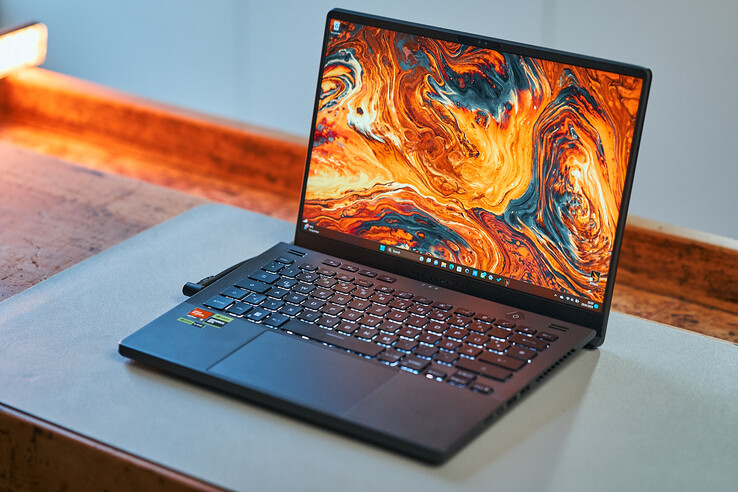
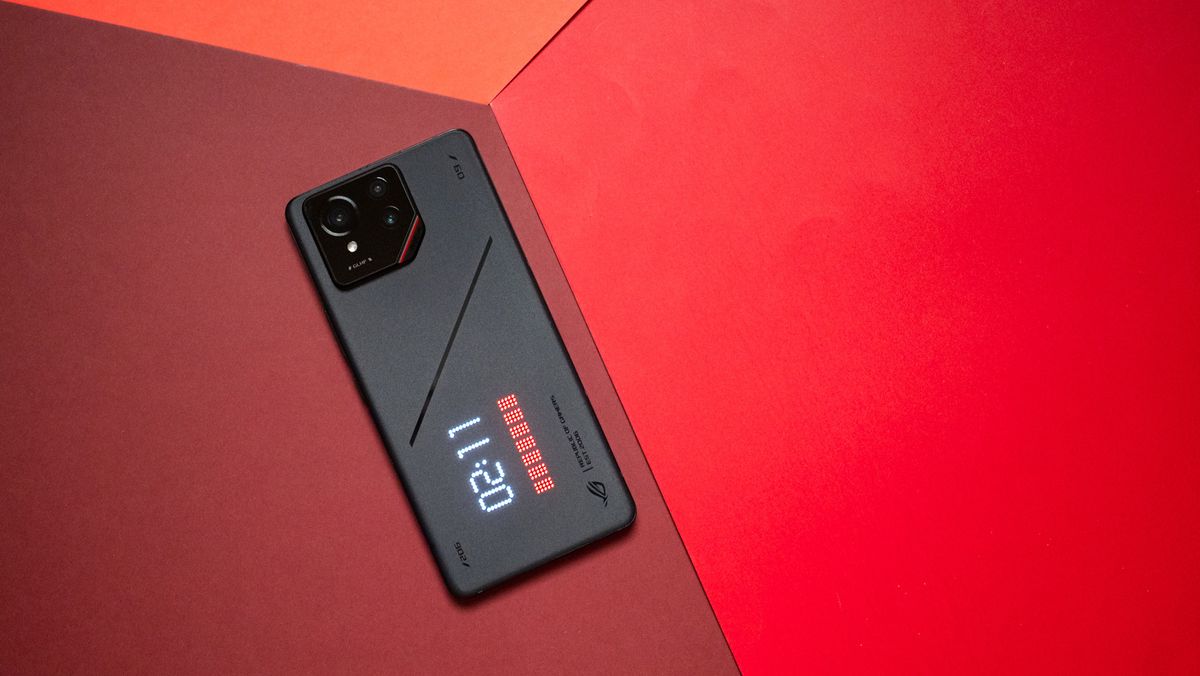
ROG stands for Republic of Gamers. It is the range ASUS puts its best gaming hardware in, and it covers more than most people expect: laptops, phones, and the Ally handheld that plays PC games away from a desk.
What links them is not a shape. It is a position. ROG is where ASUS spends money on the parts that cost money to get right, which mostly means cooling, screens and build. The range below it, TUF Gaming, does the same job for less by spending less on exactly those things.
If you are trying to work out whether you want something from this range or from the one underneath it, that trade is the whole decision, and it is worth a couple of minutes.
What is in the ROG range?
Three kinds of thing, and they have less in common than the shared badge suggests.
Laptops are the bulk of it, split into three lines. Strix for sustained performance, Zephyrus for thinness, Flow for a 13 inch convertible that takes an external graphics box.
Phones, sold as ROG Phone, built around gaming: the internals are tuned for long sessions rather than for thinness, which is the opposite of what most phone ranges optimise for.
The ROG Ally, a handheld that runs PC games. It is the newest category in the range and the one least like the others, because it competes with consoles rather than with laptops.
How is ROG different from TUF Gaming?
Same company, same job, different budget, and the money goes into materials and screens rather than into a different class of performance.
TUF spends its budget on durability instead of finish. The range is certified to MIL-STD-810H, a US military standard for surviving knocks, vibration and temperature swings. What it gives up is the machined aluminium and the high-end OLED panels that ROG models get.
For most buyers that is the real decision. A TUF machine that survives four years in a rucksack may be the better purchase than an ROG machine with a nicer screen. If the screen is the thing you look at all day, the opposite is true.
Who should look at something else?
Plenty of people, and it is worth saying plainly on a page that exists to sell nothing.
If the machine lives on a desk, a desktop gives more performance per pound and can be upgraded for years. The only reason to buy a gaming laptop is that it has to move.
If you mostly work and occasionally play, a thin-and-light with decent integrated graphics will be quieter, lighter and much better on battery, and will run the games you actually play.
And if the budget is tight, start at TUF Gaming. The performance gap is smaller than the price gap.
Products (3)
Reviews
No reviews for this brand yet.