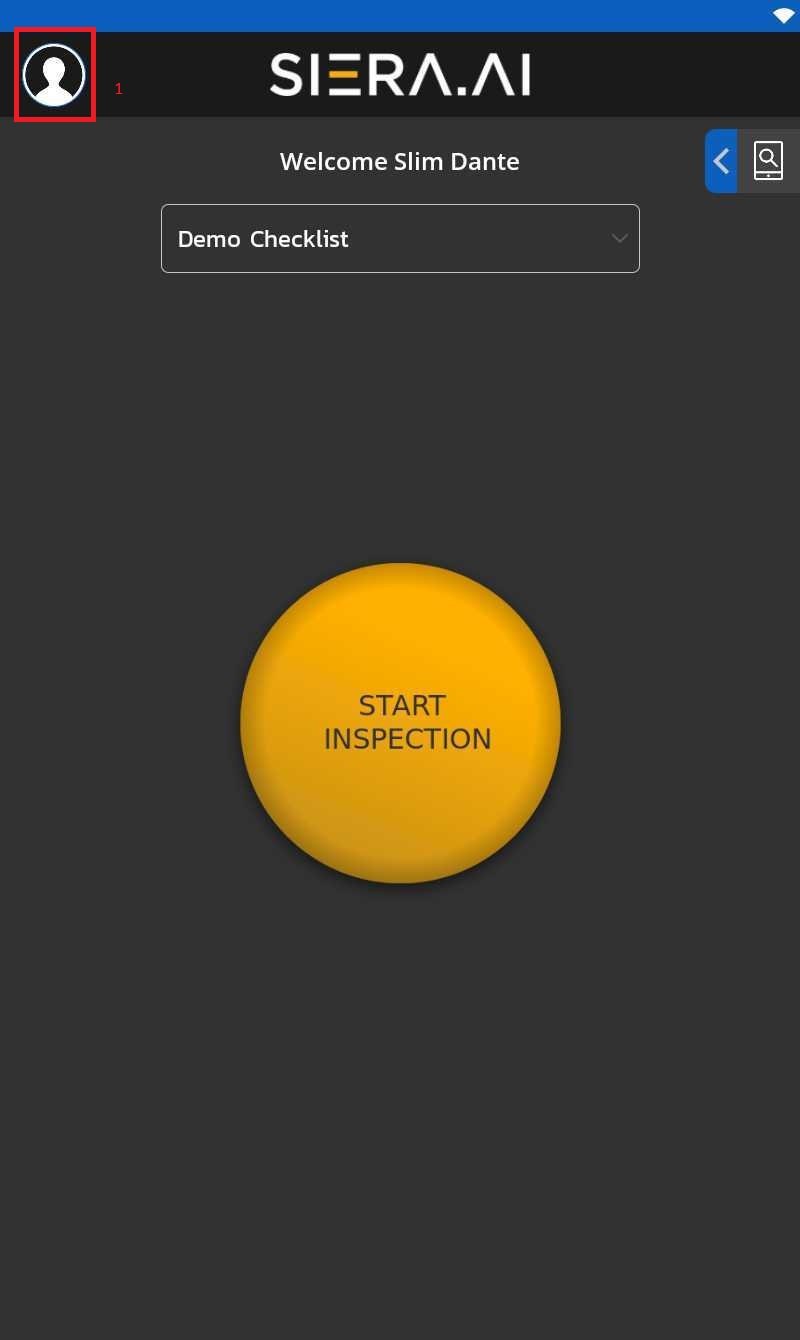
About Mobile Inspection
Mobile Inspection is SIERA.AI's QR-code-based digital inspection offering for teams that want to replace paper forms without centering the workflow on a permanently mounted forklift monitoring unit. SIERA.AI positions it around QR scanning, custom inspection forms and reporting. That makes it the most flexible inspection-focused option in the range for operations that need a digital record across equipment or inspection points where the S2 or S3 hardware lines are not the primary requirement.
What Mobile Inspection is designed to replace
The main problem is fragmented paper inspection work. Paper forms can be misplaced, completed inconsistently or reviewed too late to be useful. Mobile Inspection moves the workflow into a digital process where a user can identify the asset or inspection point with a QR code, complete a custom form and make the result available for reporting. The goal is a more traceable inspection record without relying on binders or manual spreadsheet entry.
How QR-code inspections fit daily operations
QR codes are useful when the inspection should start at the asset itself. A worker can scan the code associated with the equipment or location and open the relevant inspection workflow. This reduces the need to search through generic forms and can help keep the inspection tied to the correct asset. The practical value depends on how consistently the organization labels assets and manages the form library.
How custom forms and reporting differ from S2
Mobile Inspection emphasizes flexible forms and QR-based access to the inspection process. S2 Fleet Monitoring is more tightly connected to forklift operations and adds functions such as mounted hardware, impact monitoring and operator access control. Buyers that only need digital inspection and reporting across varied assets may prefer the lighter Mobile Inspection approach, while fleets that need vehicle-specific event data may gain more from S2.
Where Mobile Inspection fits in the SIERA.AI range
Use Mobile Inspection when the inspection workflow itself is the priority. Choose S2 when digital inspections need to be combined with forklift impact monitoring and operator access control. Choose S3 when the main risk is active pedestrian or object detection around moving lift trucks. The three lines can address different layers of the same safety program, but they should not be treated as interchangeable products.
What buyers should evaluate before deployment
Start by listing the assets, locations and inspection types that need to be digitized. Buyers should decide who creates and maintains forms, how QR codes will be assigned, what happens after a failed inspection and which reports supervisors actually need. A digital form is only useful when there is a clear ownership process for exceptions. Organizations should also consider whether staff will complete inspections on shared or personal mobile devices and how that fits their workplace policies.
Who should choose something else
Mobile Inspection is not intended to provide the machine-vision collision avoidance of S3 or the mounted forklift telemetry of S2. A fleet that needs impact sensing, vehicle lockout or operator identification should evaluate S2. A warehouse trying to detect pedestrians in real time around forklifts should evaluate S3. Companies looking for a broad enterprise asset-management or maintenance platform should compare products that include work orders, parts inventory and maintenance planning as core functions.
Bottom line for buyers
Mobile Inspection is the most inspection-centric and least hardware-dependent line in the current SIERA.AI portfolio. It is suited to operations that want QR-driven access to custom forms and a more organized reporting trail. Its buying case is strongest when paper forms are the current bottleneck and the organization wants digital accountability without deploying a full vehicle monitoring or vision-safety system.
Reviews
No reviews yet
Nobody has reviewed Mobile Inspection here yet.