About Agentforce Sales
Agentforce Sales is Salesforce's current sales CRM product, formerly Sales Cloud. It manages leads, accounts, contacts, opportunities, pipeline, forecasting, sales automation and AI-assisted selling. This page focuses on the sales application itself, while the Agentforce family page covers Salesforce's broader AI-agent platform. Buyers should evaluate both workflow fit and the wider Salesforce architecture around it.
What does Agentforce Sales manage?
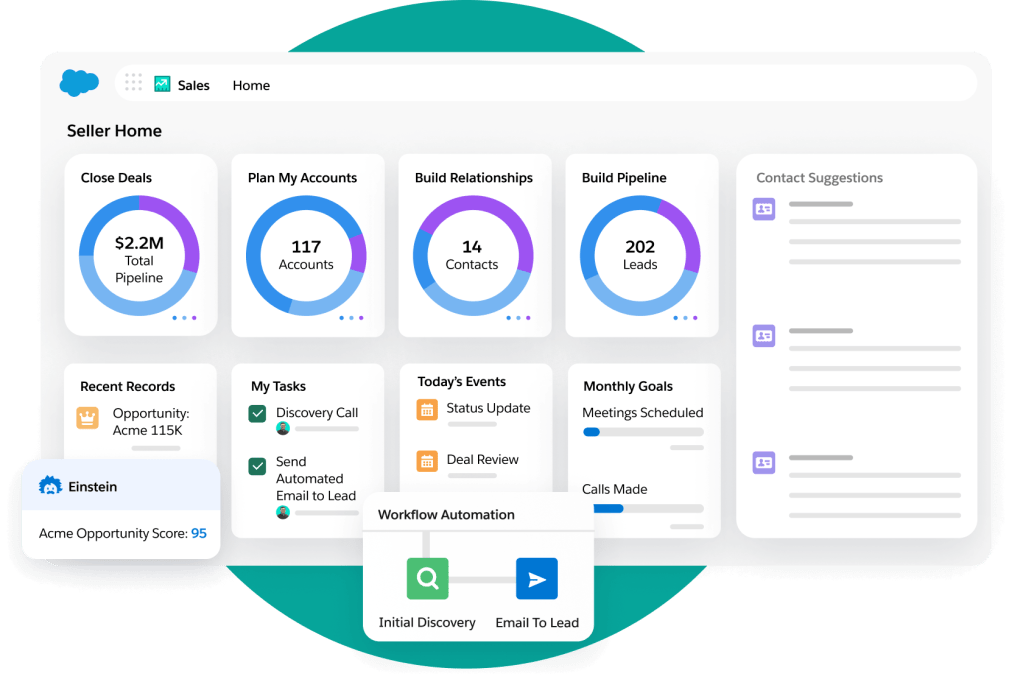
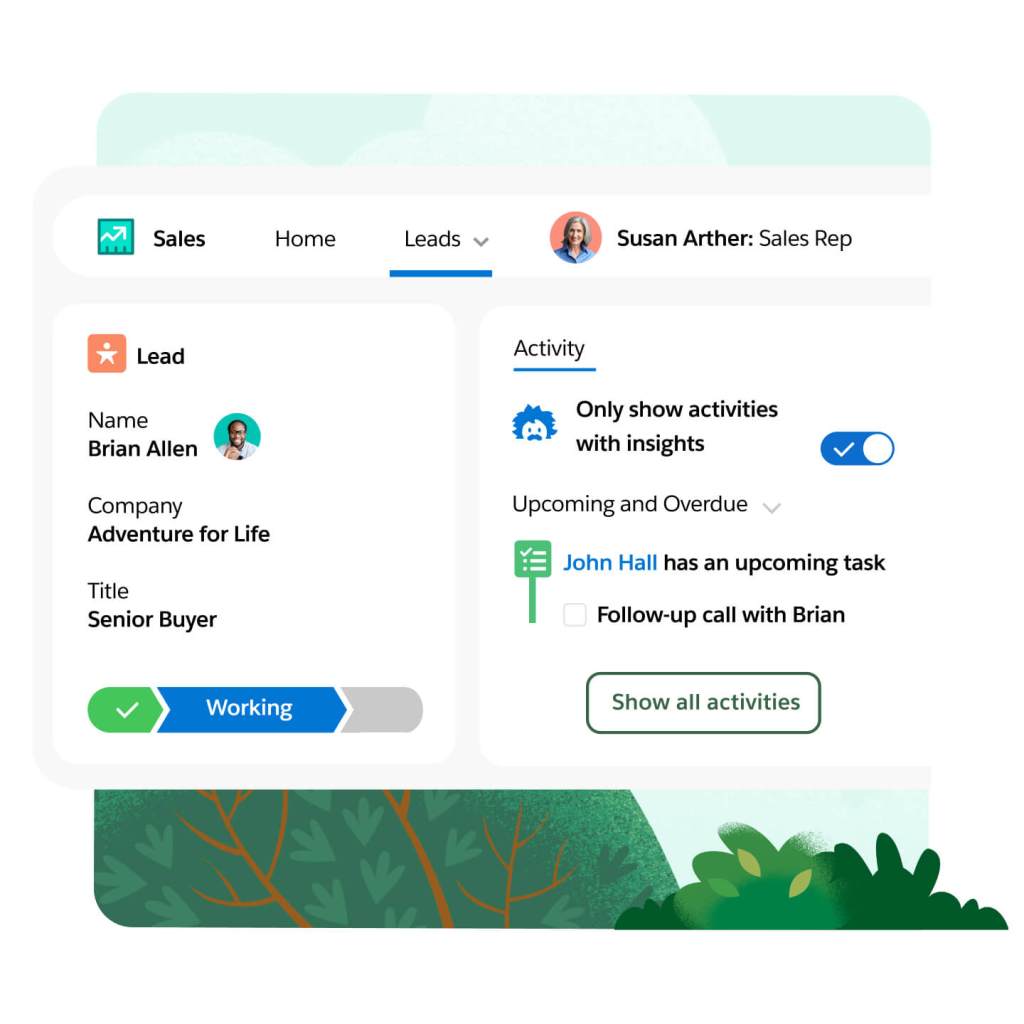
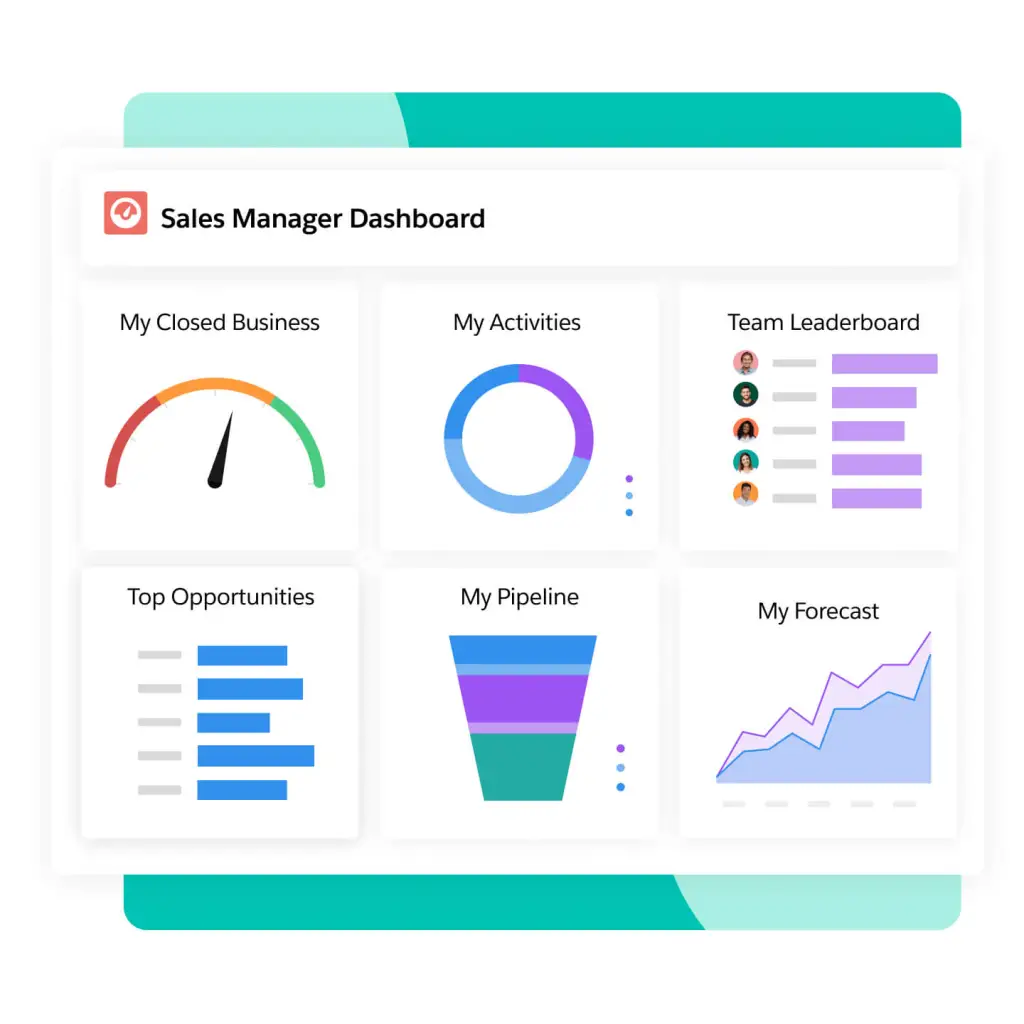
Agentforce Sales gives sales teams a shared system for leads, accounts, contacts, opportunities, activities, tasks, pipeline and forecasts. Sales representatives can manage deal progress and customer activity, while managers can use reports, dashboards and forecasting tools to monitor performance and risks.
The product also supports automation, email and calendar activity capture, routing, customization and mobile access. Its value depends on having a consistent sales process and clean CRM data rather than simply storing contacts.
How does AI fit into Agentforce Sales?
Salesforce renamed Sales Cloud to Agentforce Sales and now embeds Agentforce capabilities across the sales workflow. Current Salesforce documentation covers AI for prospecting, lead engagement, sales coaching, pipeline management, conversation insights and other seller-assistance use cases depending on edition and entitlement.
AI does not remove the need for governance. Teams should define which customer data agents can access, which actions can run automatically and where human approval is required.
How much does Agentforce Sales cost in September 2026?
Pricing checked on September 8, 2026 against Salesforce's current US Sales pricing page. The page lists Free Suite at $0 per user per month, Starter Suite at $25, Pro Suite at $100, Core at $195, Advanced at $395 and Max at $550. Salesforce notes that some plans are billed annually and that additional products or usage can change total cost.
These current US editions differ from older Enterprise and Unlimited naming that appeared on earlier regional pages, so buyers should verify the live pricing table for their market before purchase.
What changes across the main editions?
Starter and Pro focus on core CRM, sales workflows and increasing levels of customization. Core adds more advanced sales capabilities and Salesforce integration. Advanced expands automation and AI access. Max is the broadest current package and includes a larger bundle of Salesforce products and entitlements.
The exact feature matrix changes over time, so buyers should compare the current edition table rather than assume older Sales Cloud packaging still applies.
What integrations and customization options matter?
Agentforce Sales runs on Salesforce's platform and supports custom objects, fields, permissions, flows, reports, APIs and third-party extensions. It can connect with Slack and other Salesforce products as well as external systems.
This flexibility is powerful but can create technical debt. Teams should document custom automation, avoid unnecessary duplicate fields and assign clear ownership for integrations and data quality.
What should teams plan before migration?
A CRM migration should start with process and data cleanup rather than a direct copy of every old field. Teams should map lead and opportunity stages, decide which historical data is still useful, remove duplicates and identify integrations that must be rebuilt or replaced.
Testing is important for permissions, automation, reports and downstream systems. A phased rollout can reduce risk, especially when sales teams depend on customized workflows or when several business units use different definitions for pipeline stages and required fields.
What are the main limitations?
Agentforce Sales can be expensive and administratively demanding when organizations require higher editions, add-ons, implementation services and extensive customization. Poor governance can lead to duplicate records, overlapping automation and inconsistent reporting.
Smaller teams with a simple pipeline may not need the depth of the platform, and AI features can add further cost and governance requirements.
How does Agentforce Sales compare with alternatives?
Microsoft Dynamics 365 Sales can fit organizations centered on Microsoft 365 and Azure. HubSpot Sales Hub can be easier for smaller and mid-market go-to-market teams. Zoho CRM and Pipedrive may suit buyers that prioritize lower complexity and simpler pipeline management.
Agentforce Sales is strongest where deep CRM customization, enterprise governance, broad integration and connection to Salesforce's wider data and AI ecosystem matter.
Who is Agentforce Sales best suited for?
The product is best suited to organizations that need a structured CRM with configurable processes, detailed permissions, reporting, forecasting and integration across a larger customer platform. It can be especially valuable when sales data needs to connect with service, marketing, Slack, analytics or AI workflows.
The business case is stronger when the organization has the administration capacity to maintain the platform and when several teams benefit from shared customer data.
Who should choose something else?
A team should consider another CRM when its process is simple, it lacks administration resources or the expected value does not justify implementation and license complexity. Companies that mainly need contact management and a visual pipeline may be better served by a lighter product.
Agentforce Sales is a stronger fit when structured sales operations, configurable processes, detailed permissions, automation, forecasting and enterprise-scale integration are important.
Reviews
No reviews yet
Nobody has reviewed Agentforce Sales here yet.